

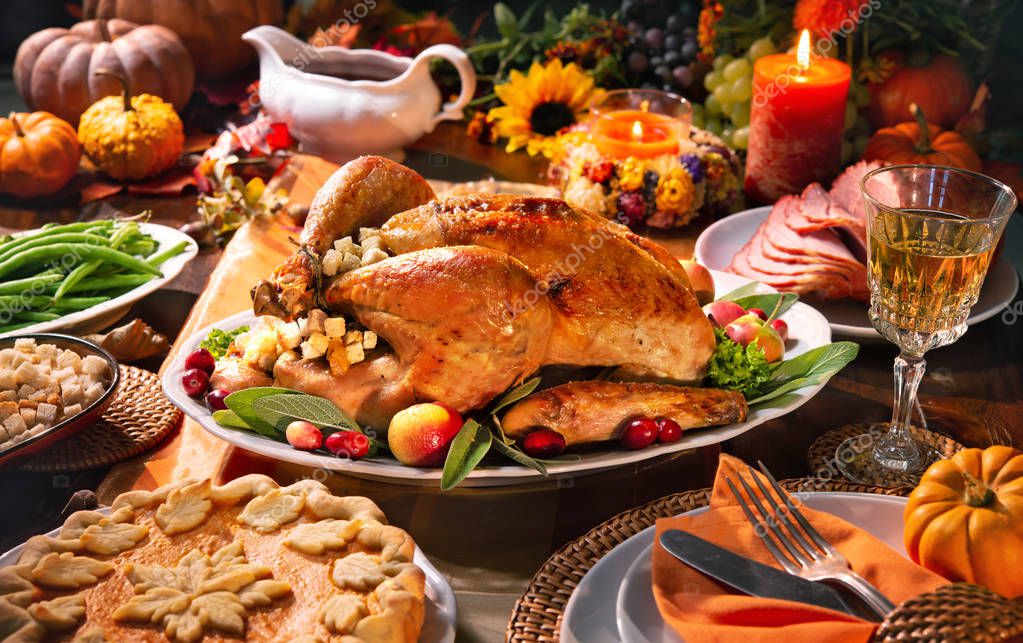

As families and communities begin preparing for Thanksgiving gatherings, buffet-style meals are expected to be at the center of many celebrations. However, while buffets promote convenience and tradition, they can also become a major source of norovirus outbreaks—particularly during holiday seasons when large groups share food in closed environments. Norovirus is the leading cause of foodborne illness in the United States, responsible for an estimated 58% of food poisoning cases annually. What makes it especially dangerous is its extremely high level of contagiousness; it takes as few as 18 viral particles to cause infection.
Unlike bacterial pathogens that require time or specific temperature conditions to multiply, norovirus can spread rapidly through direct contact, contaminated surfaces, and food handled by someone who is infected. During busy holiday preparation, even one person experiencing early symptoms—or unknowingly recovering—can easily infect dozens through food handling. Furthermore, traditional buffet practices, such as shared utensils, uncovered dishes, and foods left at room temperature for extended periods, facilitate cross-contamination.
Symptoms of norovirus typically appear 12–48 hours after exposure and include vomiting, diarrhea, stomach pain, and nausea. In severe cases—especially in children, elderly individuals, and those with compromised immune systems—dehydration can occur rapidly. Given that Thanksgiving often brings together multi-generational gatherings, the potential impact is significantly amplified.
Food safety specialists and public health professionals who routinely work with cases involving foodborne illness and consumer protection have reported a noticeable spike in viral outbreaks following holiday gatherings, particularly those served buffet-style. Their insights show that even when food is properly cooked, contamination often occurs after preparation, during serving or handling.
To reduce risks without sacrificing tradition, health officials recommend several preventative strategies:
- Do not allow individuals who have been sick—within the past 48 hours—to handle or serve food.
- Keep hot foods at 140°F (60°C) or above and cold foods at 40°F (4°C) or below at all times.
- Use individual serving utensils and avoid self-service for high-risk dishes like salads, dips, and desserts.
- Encourage handwashing with soap and warm water before anyone serves or eats. Alcohol-based sanitizers are often ineffective against norovirus.
- Consider plating food in the kitchen instead of allowing guests to handle communal platters.
Hosts should also clean and disinfect surfaces using a bleach-based solution, as standard household cleaners typically do not destroy norovirus particles. If someone becomes ill during the gathering, isolate contaminated areas and avoid continued food service.
Ultimately, while buffets may seem like a practical and festive way to accommodate large groups, the risks rise significantly during peak norovirus season—which coincides directly with Thanksgiving and Christmas. With millions traveling, increased indoor exposure, and higher stress on the immune system, even a single lapse in food safety can jeopardize the health of an entire family.
By practicing careful hygiene, limiting food exposure time, and monitoring for signs of illness, hosts can preserve both tradition and health. A safe Thanksgiving is possible—even with buffets—when prevention is made part of the menu.
