


Norovirus Outbreak Sickens More Than 70 Passengers and Crew on Royal Caribbean Ship — What Happened, Why Cruise Ships Are Vulnerable, and How You Can Protect Yourself
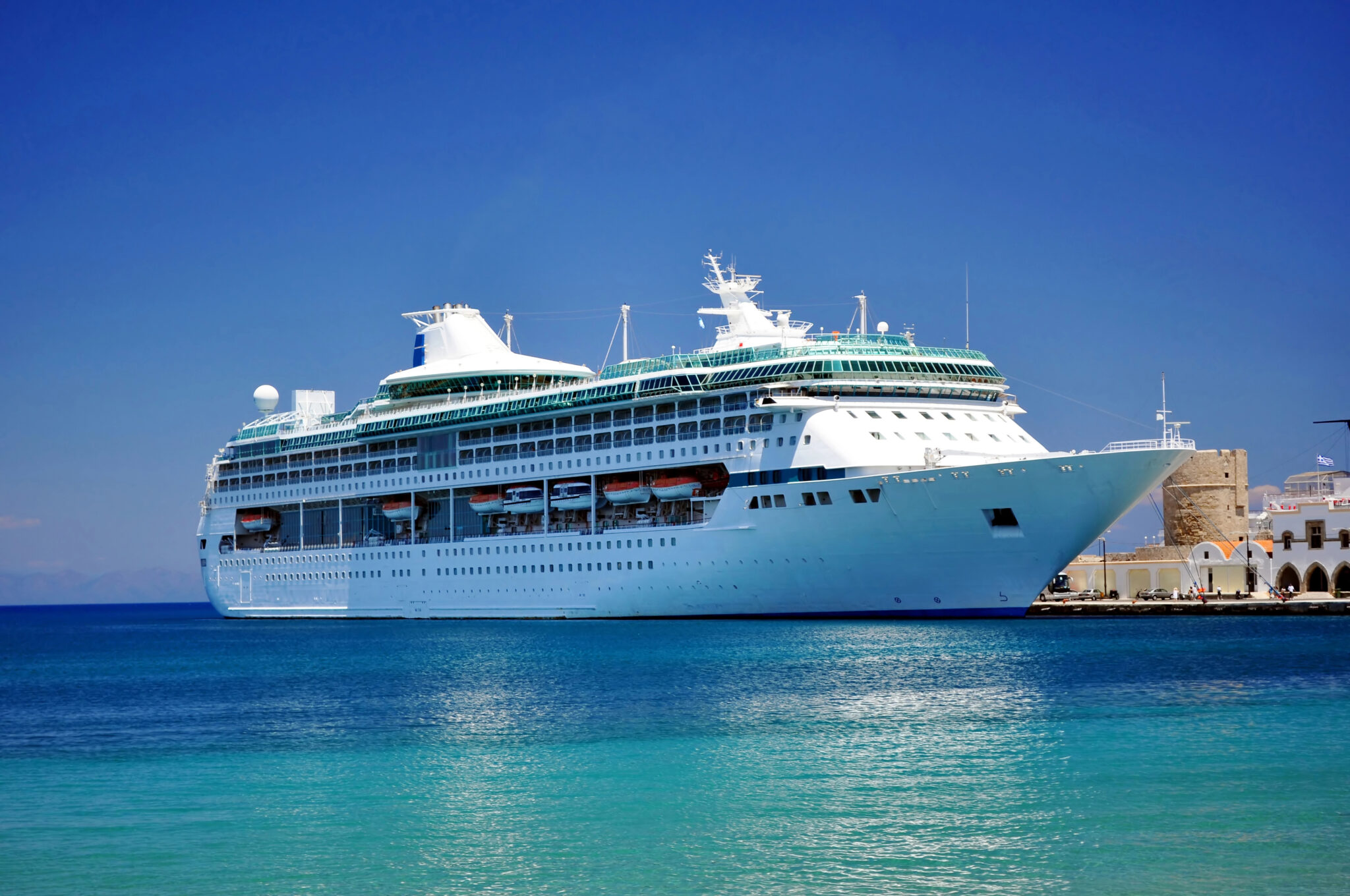
More than 70 passengers and crew aboard Royal Caribbean’s Serenade of the Seas fell ill from a norovirus outbreak during a 13-night cruise that left San Diego on September 19 and was scheduled to arrive in Miami on October 2, 2025. The U.S. Centers for Disease Control and Prevention’s Vessel Sanitation Program (VSP) was notified on September 28 and is remotely monitoring the ship’s response after 71 passengers and one crew member reported symptoms including vomiting and diarrhea. Sick people were isolated, stool specimens were collected for testing, and Royal Caribbean implemented enhanced sanitation and disinfection measures under its outbreak-response plan.
Cruise-line gastrointestinal outbreaks make headlines regularly, but the Serenade incident is more than a travel annoyance. Tony Coveny, the national food poisoning lawyer, stated, “Norovirus spreads extremely easily in closed, crowded environments and can cause intense, rapidly spreading illness. With fall and winter cruise travel picking up and several cruise outbreaks already logged in 2025, passengers, crew, and public-health officials are watching closely.”
What Officials Say About the Serenade Outbreak
Public reporting indicates roughly 3.9 percent of passengers were ill during the voyage. Royal Caribbean emphasized that it follows established sanitation protocols and cooperates with VSP guidance.
In general, VSP posts provide objective incident details, dates, ship name, number ill, and actions taken, and they are the primary public record for outbreaks falling under CDC jurisdiction. Those posts and the cruise-line public statements are the best sources for up-to-date specifics while clinical testing is underway.
Why Norovirus Spreads So Easily on Cruise Ships
Norovirus is a highly contagious virus that causes acute gastroenteritis: nausea, vomiting, watery diarrhea, abdominal cramps and sometimes low-grade fever. The CDC states plainly: “Norovirus is very contagious; it spreads very easily and quickly.” A tiny number of viral particles can infect a person, and infected people can shed billions of particles in vomit and stool. Those particles survive on surfaces for days or weeks and resist ordinary cleaning, making the virus hard to eliminate once it is introduced to a closed environment.
Cruise Ships Combine Several High-Risk Features:
- High density of people living together – Thousands of passengers and hundreds to thousands of crew share dining rooms, buffets, theaters, elevators, and restrooms, increasing person-to-person spread.
- Frequent shared surfaces – Handrails, buffet utensils, elevator buttons, and door handles are contact points that rapidly reintroduce contagion. Norovirus can survive on surfaces and in aerosols from vomiting events (California Department of Public Health).
- Centralized food service. Large dining halls and self-service buffets can transmit the virus when an infected food handler or contaminated surface touches food or utensils.
- Close quarters for crew and shared water systems. Crew often live and work in tight quarters, which can sustain transmission and slow containment efforts.
Because of these features, a single infected person who boards while contagious can spark dozens or hundreds of cases before the outbreak is controlled. That is why VSP requires ships to report gastrointestinal illness and maintains guidance on sanitation, isolation, and outbreak response.
The Recent Trend: Many Cruise Incidents in 2025
2025 has seen an elevated number of gastrointestinal outbreaks on cruise ships reported to VSP. The Serenade incident joins a string of events earlier this year: Royal Caribbean’s Radiance of the Seas reported an outbreak in February; the Navigator of the Seas experienced a major July outbreak that sickened over 130 guests; and multiple other lines recorded norovirus events in the first half of the year. VSP’s public outbreak list shows dozens of incidents in 2025, most attributed to norovirus. That pattern mirrors a busy 2024, which the CDC noted was one of the worst years in a decade for cruise ship stomach-bug outbreaks.
Two things drive the visibility of these incidents. First, VSP’s reporting thresholds trigger public notices when a defined proportion of passengers or crew fall ill, so ships, and the industry, are more likely to be publicly associated with outbreaks than many land-based incidents. Second, the cruise industry’s size means that even a single infected facility can produce a concentrated cluster of sick people over a short time. Both factors make cruise outbreaks highly visible but also relatively easy to trace and manage compared with dispersed outbreaks on land.
Historical Examples: When Cruises Became Hot Spots
Cruise-ship norovirus outbreaks are not new. Well-documented large events include Cunard’s Queen Mary 2 in 2024, which reportedly sickened hundreds and drew intense media attention; multiple Royal Caribbean voyages in 2025; and past notorious outbreaks such as the Diamond Princess (different pathogen context) and other vessels that prompted industrywide protocol overhauls. Each outbreak forced ships to deploy isolation wards, deep-cleaning protocols, and sometimes early termination of voyages. These episodes pushed VSP and cruise lines to refine outbreak prevention and response plans, from hand-hygiene campaigns to buffet redesigns and paid sick leave policies for crew.
Past outbreak investigations repeatedly show the same themes: an infected passenger or crew member often brings the virus aboard; buffets and shared dining increase transmission risk; and rapid, aggressive cleaning combined with isolation reduces secondary spread. Importantly, transparent reporting and cooperation with VSP shorten outbreaks and reduce long-term reputational damage.
Symptoms, Testing, and Clinical Course
Norovirus symptoms usually start 12–48 hours after exposure. Most healthy people recover in 1–3 days with supportive care (fluids and rest), but the illness can be severe in older adults, infants, and people with chronic health conditions. On ships, medical teams isolate ill passengers and crew, collect stool samples for laboratory confirmation, and triage people requiring rehydration or hospital transfer. Modern diagnostics confirm norovirus RNA in stool by PCR (National Institutes of Health); while results can take a few days, clinical isolation and disinfection begin immediately based on symptoms and epidemiologic patterns.
What Cruise Lines Do When Outbreaks Occur
Cruise operators follow detailed outbreak response plans agreed with VSP. Typical steps include:
- Immediate isolation of symptomatic people and provision of medical care.
- Enhanced cleaning and disinfection of cabins, public areas, and dining facilities using EPA-registered disinfectants effective against norovirus.
- Suspension or modification of buffet service (switching to plated service) to limit shared utensils and food exposures.
- Collection of stool specimens and reporting to VSP for remote monitoring and laboratory follow-up.
- Communication to passengers about symptoms, hand hygiene, and what to do if ill.
Ships that successfully contain outbreaks do so by combining rapid action, crew cooperation, and passenger compliance.
How Travelers Can Reduce Their Risk
No public health measure eliminates risk entirely, but passengers can reduce the chance of getting norovirus on a cruise by following practical steps:
- Delay travel when sick. Do not board if you have vomiting or diarrhea within 48 hours before departure. Many outbreaks start when an infected person boards.
- Wash hands frequently and properly. Handwashing with soap and water is more effective than alcohol-based hand sanitizer against norovirus. Wash before eating and after using restrooms, touching railings, or visiting animal exhibits.
- Avoid self-service buffets if possible. Choose plated service or ask for staff to serve you. If using a buffet, use serving utensils and avoid touching shared surfaces.
- Sanitize high-touch items in your cabin. Bring disinfectant wipes to wipe door handles, remote controls, and faucet handles.
- Stay isolated if you fall ill. Report symptoms immediately to ship medical staff and follow isolation guidance to protect others.
- Consider travel insurance that covers medical evacuation or trip interruptions, especially for older passengers or those with underlying conditions.
Crew Protections and Operational Lessons
Preventing and containing norovirus depends heavily on crew health policies. Paid sick leave, easy access to medical evaluation, and prompt removal of symptomatic food handlers from duties reduce the likelihood of spread. Crew training in handwashing, cleaning protocols, and correct use of disinfectants is essential. Ships also benefit from pre-boarding screening, enhanced sanitation during turnarounds, and operational changes such as removing self-service food in high-risk seasons. VSP inspections and guidance support these efforts.
Legal, Financial, and Reputational Fallout
Norovirus outbreaks can trigger medical costs, port-call changes, crew overtime, and reputational damage. High-profile incidents attract media attention and can reduce bookings in the short term. Cruise lines may offer refunds, future cruise credits, or onboard medical bill assistance. For passengers who fall ill, healthcare access ashore and insurance coverage vary; travelers should check their policies and understand what services the ship provides. Regulators use outbreak patterns to refine policy, and persistent problems can lead to stricter oversight or operational changes.
Analysis & Next Steps
What’s new: The Serenade of the Seas voyage reported more than 70 ill passengers and crew to CDC VSP, joining a series of 2025 cruise ship gastrointestinal incidents largely attributed to norovirus. Royal Caribbean isolated ill persons, collected stool specimens, and increased disinfection while VSP remotely monitored the response.
Why it matters: Norovirus requires only a few viral particles to infect, spreads via contaminated food, surfaces, and person-to-person contact, and can incapacitate large numbers of travelers in short order. Cruise ships’ shared spaces and centralized food service amplify this risk, and outbreaks can have medical, financial, and logistical consequences for passengers and operators.
Who’s affected: Immediate victims are passengers and crew on affected voyages. Broader groups include future passengers on the same ship or itinerary, port communities receiving ill disembarked travelers, and people in contact with returning passengers. Vulnerable individuals, young children, older adults, and people with chronic illness, are at greatest risk of severe dehydration or complications.
What To Do Now:
- Passengers – Wash hands often with soap and water, avoid buffets if possible, seek medical attention and report symptoms immediately if ill, and consider travel insurance that covers medical care.
- Crew and operators – Enforce sick-leave policies for symptomatic staff, suspend self-service buffets during outbreaks, intensify disinfection regimens with EPA-registered norovirus disinfectants, and cooperate fully with VSP inspections and guidance.
- Public-health authorities – Maintain transparent public postings via VSP, speed lab confirmation to identify causative agents, and work with cruise lines to ensure outbreak containment and communication to ports and passengers.
Final Note
Cruise travel delivers unique experiences, but norovirus remains a persistent threat in closed, crowded settings. The Serenade of the Seas outbreak is a reminder that rapid reporting, aggressive sanitation, and passenger cooperation are the pillars of containment. Travelers can protect themselves by practicing basic hygiene, staying home when ill, and following ship and public-health guidance. For the industry and regulators, the event underscores the need for continual vigilance: early detection, transparent reporting, and robust crew health policies reduce the likelihood and impact of future outbreaks. In short, norovirus is fast and unforgiving, but predictable threats like it are manageable when passengers, crew, and regulators act together.
