

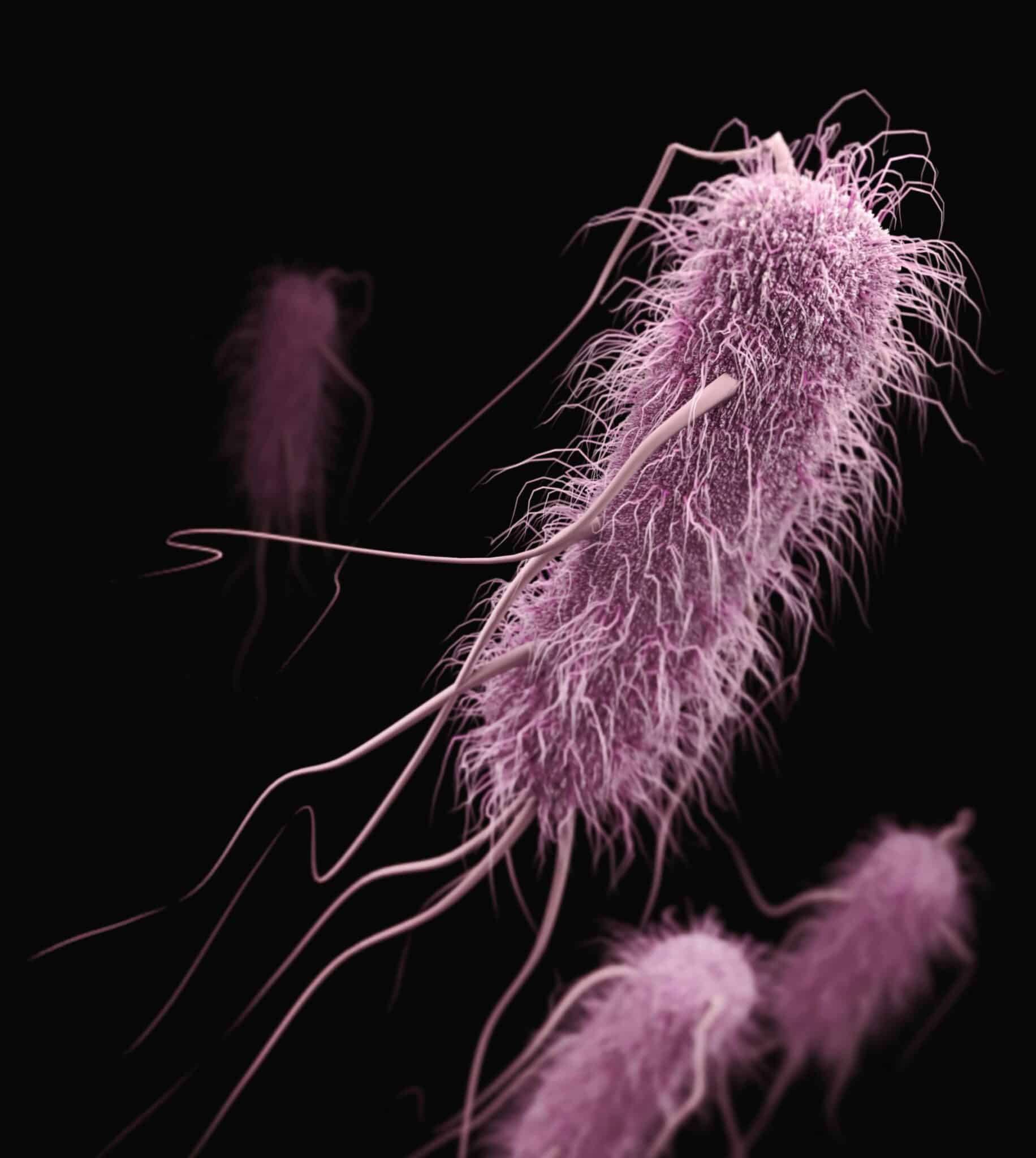

When people think of foodborne illness, names like Salmonella, E. coli O157:H7, and Listeria monocytogenes often come to mind. These pathogens have been the focus of public health campaigns, industry safety measures, and media headlines for decades. However, a quieter shift is taking place in the world of food safety, one that involves lesser-known bacteria, viruses, and parasites emerging as significant contributors to outbreaks and recalls.
Why Novel Pathogens Are Gaining Attention
Advances in genomic sequencing, epidemiology, and food testing technology have dramatically improved our ability to detect pathogens. As a result, foodborne illness outbreaks once attributed to “unknown causes” are increasingly being traced to rare or newly identified organisms.
At the same time, globalized food supply chains and climate change are altering the ecology of foodborne pathogens. Crops and livestock are now exposed to microbes from regions where those organisms previously did not exist, leading to unexpected outbreaks in areas where public health systems are less prepared.
Examples of Emerging or Lesser-Known Foodborne Pathogens
1. Cronobacter sakazakii
Once considered a rare contaminant, Cronobacter sakazakii has drawn attention for its association with infant formula. In vulnerable populations like newborns or the elderly, it can cause severe bloodstream infections and meningitis.
2. Vibrio vulnificus & Vibrio parahaemolyticus
Traditionally linked to warm coastal waters, these bacteria are increasingly found in seafood harvested farther north due to warming ocean temperatures. Infections can cause gastroenteritis or life-threatening septicemia.
3. Cyclospora cayetanensis
Cyclospora cayetanensis, a protozoan parasite, once considered rare in the U.S., has been linked to imported produce like cilantro, basil, and berries. It causes prolonged diarrhea and can be difficult to detect without specialized testing.
4. Hepatitis E virus (HEV)
Though more common in developing countries, HEV is emerging in industrialized nations, often linked to undercooked pork or game meat. It can lead to serious liver disease, especially in pregnant women.
5. Arcobacter butzleri
A relative of Campylobacter, this under-researched bacterium has been isolated from raw milk, poultry, and seafood. It’s associated with diarrhea, abdominal cramps, and bacteremia.
Why Detection Is So Challenging
Unlike well-known pathogens, novel or lesser-known organisms often:
- Go undiagnosed because standard foodborne illness tests don’t screen for them.
- Mimic symptoms of more common illnesses, leading to misattribution.
- Require specialized labs for identification, delaying public health response.
Additionally, surveillance systems often prioritize the “big three” (Salmonella, E. coli, Listeria), meaning these emerging threats can spread quietly before they are recognized.
Globalization and Climate Change as Risk Amplifiers
- Global Trade – Foods now travel thousands of miles from farm to fork, increasing the chances that rare pathogens from one region reach consumers worldwide.
- Climate Shifts – Warmer temperatures and extreme weather events can expand the habitat range of certain bacteria, parasites, and viruses. For example, warming oceans have expanded the territory of Vibrio bacteria.
- Wildlife Encroachment – As human activity overlaps with wildlife habitats, opportunities for zoonotic transmission increase. Novel pathogens can jump from animals to food sources more readily.
Industry and Regulatory Responses
Public health agencies are adapting:
- Whole Genome Sequencing (WGS) – Used by the FDA, CDC, and international partners to detect and track rare pathogens with unprecedented precision.
- Expanded Testing Panels – Food testing labs are adding assays for Cyclospora, Arcobacter, and other organisms once overlooked.
- Rapid Alert Systems – Improved international communication allows for quicker recalls when novel pathogens are detected.
The food industry, for its part, is increasingly investing in preventive controls such as hazard analysis for less common pathogens, supplier verification programs, and climate-related risk assessments.
Prevention Strategies in the Face of Unknowns
Because novel pathogens often emerge unexpectedly, prevention must rely on broad-spectrum food safety measures that minimize risks from any microbial threat:
- Strict Hygiene Controls – From farm workers to processing plants, proper handwashing, sanitation, and equipment cleaning remain fundamental.
- Safe Water Use – Regular testing and protection of irrigation and processing water can prevent a wide array of pathogen transmissions.
- Cold Chain Integrity – Keeping perishable foods at safe temperatures reduces the growth of both familiar and emerging microbes.
- Public Education – Consumers should be aware that washing produce, cooking meats thoroughly, and avoiding cross-contamination protect against more than just the “usual suspects.”
Final Note
The rise of novel foodborne pathogens underscores a core truth: food safety is never static. As environments, diets, and trade patterns evolve, so too will the microbial threats to our food supply.
While the presence of lesser-known pathogens may seem alarming, the increased detection of these organisms is also a sign of progress, a reflection of more sophisticated testing, stronger surveillance, and deeper collaboration between health agencies and the food industry.
The challenge for the future is to keep pace with these changes, continuing to identify, understand, and control the next wave of foodborne threats before they become household names.
Because in the world of food safety, the pathogen you’ve never heard of can be the one that matters most.
