
Close Menu
  • Food Poisoning
    • Symptoms
    • Prevention
    • Treatment
    • Causes
  • Pathogens
    • Botulism
    • Campylobacter
    • E. coli
    • Cyclospora
    • Norovirus
    • Hepatitis A
    • Salmonella
    • Listeria
    • Shigella
  • Food Safety
    • How to wash your hands
    • Food Safty And The Holidays
  • Legal
    • Can I sue for Food Poisoning?
    • E. coli Lawyer
      • E. coli Lawsuit
    • Salmonella Lawyer
      • Salmonella Lawsuit
    • Botulism Lawyer
    • Cyclospora Lawyer
    • Shigella Lawyer
    • Hepatitis A Lawyer
  • Outbreaks and Recalls
  • Connect With A Lawyer
What's Hot

Rethinking Foodborne Illness in a Changing Food System

January 22, 2026

Is There a Link Between Food Poisoning (Gastroenteritis from Bacteria Such as Salmonella) and Myocardial Infarction?

January 21, 2026

Mechanisms of Produce Contamination: A Comprehensive Review Including Pathogens Such as Salmonella and E. coli

January 21, 2026
Facebook X (Twitter) Instagram
Facebook X (Twitter) YouTube
  • About
  • Contact Us
Food Poisoning NewsFood Poisoning News
  • Home
  • Food Poisoning
    • What is Food Poisoning?
      • Symptoms
      • Causes
      • Prevention
      • Treatment
      • Statistics
    • Pathogens
      • Botulism
      • Campylobacter
      • E. coli
      • Hepatitis A
      • Shigella
      • Norovirus
      • Salmonella
      • Cyclospora
      • Listeria
  • Food Safety
    • How to wash your hands
    • Food Safty And The Holidays
  • Legal
    • Salmonella Lawyer
      • Salmonella Lawsuit
    • E. coli Lawyer
      • E. coli Lawsuit
    • Cyclospora Lawyer
    • Shigella Lawyer
    • Hepatitis A Lawyer
    • Botulism Lawyer
  • Outbreaks and Recalls
Food Poisoning NewsFood Poisoning News
Home»Helpful Articles»Paralytic Shellfish Poisoning: Causes, Symptoms, and Public Health Implications
Paralytic Shellfish Poisoning: Causes, Symptoms, and Public Health Implications
Helpful Articles

Paralytic Shellfish Poisoning: Causes, Symptoms, and Public Health Implications

Kit RedwineBy Kit RedwineAugust 6, 2025No Comments3 Mins Read
Share
Facebook Twitter LinkedIn Pinterest Email Reddit

Paralytic shellfish poisoning (PSP) is a severe foodborne illness caused by consuming shellfish contaminated with neurotoxins known as paralytic shellfish toxins (PSTs). These toxins originate from certain species of microscopic algae, particularly dinoflagellates in the genera Alexandrium, Gymnodinium, and Pyrodinium.  During algal blooms, periods of rapid population growth often called “harmful algal blooms” or “red tides”, filter-feeding shellfish accumulate these toxins in their tissues.  The primary toxin responsible is saxitoxin, a compound approximately 1,000 times more toxic than cyanide, though over 50 structurally related analogues contribute to PSP toxicity profiles. 

Transmission and High-Risk Shellfish

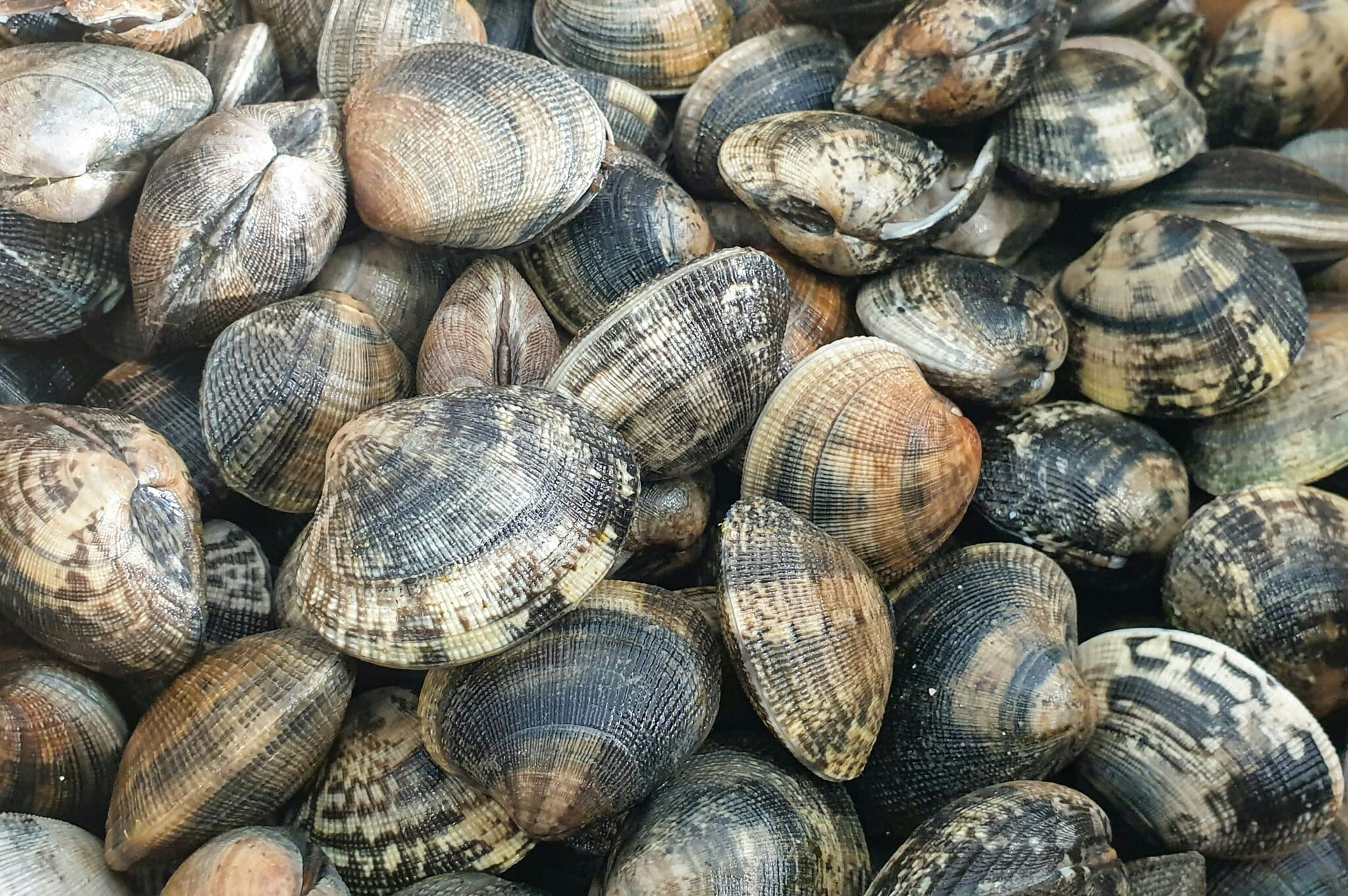
Shellfish become contaminated through normal feeding behavior, where they filter toxin-producing algae from surrounding waters. The toxins accumulate in their digestive glands and other tissues without harming the shellfish themselves. Contamination risk affects all molluscan shellfish with hinged shells, including:

  • Mussels  
  • Clams (including butter clams and geoducks)  
  • Oysters  
  • Scallops  
  • Gastropods (such as moon snails) 

Crustaceans like crabs may also accumulate toxins in their digestive organs (viscera or “butter”), though muscle meat typically remains safe if properly cleaned.  Toxin levels do not correlate with water discoloration (“red tides”), as dangerous concentrations can occur even in clear water.  Cooking, freezing, or cleaning methods do not destroy PSTs due to their heat stability and resistance to enzymatic degradation. 

Symptoms and Clinical Course

PSP symptoms manifest rapidly, typically within 30 minutes to 2 hours after ingestion. Initial neurological symptoms include tingling or numbness of the lips, tongue, and face, often described as a “pins-and-needles” sensation. This may progress to the extremities (fingers and toes).  Gastrointestinal symptoms such as nausea, vomiting, and diarrhea frequently accompany neurological effects.  As intoxication advances, patients may experience ataxia (loss of coordination), dysphagia (difficulty swallowing), dysarthria (slurred speech), and a sensation of floating or dissociation.  Severe cases involve respiratory paralysis due to blockade of neuromuscular transmission, potentially leading to death within 2–24 hours without intervention.  A case series documented one patient requiring intubation within 4 hours of symptom onset. 

Treatment and Public Health Measures

No antidote exists for PSP. Treatment is strictly supportive, focusing on respiratory monitoring and intervention. Patients exhibiting respiratory compromise require immediate intensive care, including mechanical ventilation until the toxin is metabolized and excreted (typically within 24–72 hours).  Mild cases may resolve spontaneously with observation. Hypertension and tachycardia are commonly observed and managed symptomatically.  Laboratory confirmation involves testing uneaten shellfish samples or patient urine for saxitoxin using methods like mouse bioassay, high-performance liquid chromatography (HPLC), or receptor binding assays.  Regulatory limits prohibit sale of shellfish containing ≥80 μg saxitoxin equivalents per 100 grams of tissue. 

Prevention relies on rigorous monitoring programs for algal blooms and shellfish toxicity levels. Commercial harvest areas undergo regular testing, with closures enforced when toxins exceed safety thresholds.  Public health advisories recommend:  

  • Avoiding recreational harvest from unmonitored beaches  
  • Discarding crab viscera (“butter”) completely  
  • Sourcing shellfish only from certified commercial suppliers   

Leading food poisoning law firm Ron Simon & Associates says that recreational harvesters should consult local health department resources, such as Washington State’s Shellfish Safety Map or Alaska’s advisories, before collecting shellfish.  PSP remains a global public health concern, with cases reported across North America, Europe, Japan, and Oceania, underscoring the need for sustained surveillance of marine biotoxins. 

Share. Facebook Twitter Pinterest LinkedIn Tumblr Email
Avatar photo
Kit Redwine

Related Posts

How Long Do Foodborne Bacteria Survive on Kitchen Surfaces—and Why Cleaning Isn’t Always Enough

January 14, 2026

Norovirus: What You Need to Know About the Highly Contagious “Stomach Bug”

January 8, 2026

A Rising Tide of Risk: Navigating the Hidden Dangers in Raw Seafood

December 30, 2025

The Hidden Journey Bacteria Through Modern Food Processing

December 28, 2025
Add A Comment
Leave A Reply Cancel Reply

Attorney Advertisement
Ron Simon

Subscribe to Updates

Get the latest food safety recall, outbreak, & investigation news.

Latest Posts

Rethinking Foodborne Illness in a Changing Food System

January 22, 2026

Is There a Link Between Food Poisoning (Gastroenteritis from Bacteria Such as Salmonella) and Myocardial Infarction?

January 21, 2026

Mechanisms of Produce Contamination: A Comprehensive Review Including Pathogens Such as Salmonella and E. coli

January 21, 2026

Food Poisoning News is a website devoted to providing you with the most current information on food safety, dangerous pathogens, food poisoning outbreaks and outbreak prevention, and food poisoning litigation.

We're social. Connect with us:

Facebook X (Twitter) YouTube
Latest Posts

Rethinking Foodborne Illness in a Changing Food System

January 22, 2026

Is There a Link Between Food Poisoning (Gastroenteritis from Bacteria Such as Salmonella) and Myocardial Infarction?

January 21, 2026

Mechanisms of Produce Contamination: A Comprehensive Review Including Pathogens Such as Salmonella and E. coli

January 21, 2026
Get Informed

Subscribe to Updates

Get the latest food safety recall, outbreak, & investigation news.

Facebook X (Twitter) YouTube
  • Home
© 2026 Food Poisoning News. Sponsored by Ron Simon & Associates a Houston, TX law firm. Powered by ArmaVita.
Our website and content are for informational purposes only. Food Poisoning News does not provide legal advice, medical advice, diagnosis, or treatment.

Type above and press Enter to search. Press Esc to cancel.