
Close Menu
  • Food Poisoning
    • Symptoms
    • Prevention
    • Treatment
    • Causes
  • Pathogens
    • Botulism
    • Campylobacter
    • E. coli
    • Cyclospora
    • Norovirus
    • Hepatitis A
    • Salmonella
    • Listeria
    • Shigella
  • Food Safety
    • How to wash your hands
    • Food Safty And The Holidays
  • Legal
    • Can I sue for Food Poisoning?
    • E. coli Lawyer
      • E. coli Lawsuit
    • Salmonella Lawyer
      • Salmonella Lawsuit
    • Botulism Lawyer
    • Cyclospora Lawyer
    • Shigella Lawyer
    • Hepatitis A Lawyer
  • Outbreaks and Recalls
  • Connect With A Lawyer
What's Hot

Interesting Research into Food Poisoning (Think Salmonella, Listeria, and E. coli) Slated for 2026

January 9, 2026

Wild Pathogens: How Wildlife Brings Foodborne Illness Like Salmonella and E. Coli from Field to Fork

January 9, 2026

Antibiotic-Resistant Foodborne Infections: A Growing Threat at the Dinner Table

January 9, 2026
Facebook X (Twitter) Instagram
Facebook X (Twitter) YouTube
  • About
  • Contact Us
Food Poisoning NewsFood Poisoning News
  • Home
  • Food Poisoning
    • What is Food Poisoning?
      • Symptoms
      • Causes
      • Prevention
      • Treatment
      • Statistics
    • Pathogens
      • Botulism
      • Campylobacter
      • E. coli
      • Hepatitis A
      • Shigella
      • Norovirus
      • Salmonella
      • Cyclospora
      • Listeria
  • Food Safety
    • How to wash your hands
    • Food Safty And The Holidays
  • Legal
    • Salmonella Lawyer
      • Salmonella Lawsuit
    • E. coli Lawyer
      • E. coli Lawsuit
    • Cyclospora Lawyer
    • Shigella Lawyer
    • Hepatitis A Lawyer
    • Botulism Lawyer
  • Outbreaks and Recalls
Food Poisoning NewsFood Poisoning News
Home»Featured»Pets and Food Safety: Can Animals Spread Foodborne Illness in Your Home?
Pets and Food Safety: Can Animals Spread Foodborne Illness in Your Home?
Pets and Food Safety: Can Animals Spread Foodborne Illness in Your Home? For millions of households, pets are more than just animals, they’re family. Dogs and cats curl up on couches, roam kitchens, and sometimes even get a taste of what’s cooking. But while they offer companionship, they can also introduce risks to your household’s food safety. Pets, like humans, can carry or transmit bacteria and pathogens that cause foodborne illness. Understanding these risks and adopting good hygiene habits can help ensure that your love for your pets doesn’t inadvertently compromise your health. How Pets Can Contribute to Foodborne Illness Pets can be silent carriers of harmful bacteria and parasites, including Salmonella, Campylobacter, E. coli, and Listeria. These pathogens can live in an animal’s saliva, fur, feces, or paws, and they don’t always make pets visibly sick, making it easy to overlook the danger. Cross-contamination is a primary concern. A dog that walks through a litter box and then jumps on the kitchen counter can leave behind traces of fecal matter. A cat that licks a plate in the sink or a dog that sniffs around the trash can transfer bacteria to surfaces where food is prepared or consumed. If hands or food come into contact with these contaminated surfaces, the result can be a foodborne infection. High-Risk Activities and Behaviors While it’s natural to enjoy close contact with your pets, some behaviors can elevate the risk of spreading foodborne illness in your home. Here are some common situations to watch for: • Feeding Pets in the Kitchen: Keeping your pet’s food and water bowls in or near your kitchen may be convenient, but it can also increase the risk of bacteria transfer to food preparation surfaces. • Pets on Counters or Tables: Cats and small dogs often like to climb or jump onto high surfaces, including countertops and dining tables. This puts their paws, and whatever bacteria they carry, where your food is prepared or served. • Sharing Food or Plates: Letting pets lick plates, utensils, or even your hands after handling food may seem harmless, but it can easily spread harmful bacteria between humans and animals. • Handling Raw Pet Food: Raw pet diets have grown in popularity, but they come with high contamination risks. Raw meats and eggs can harbor Salmonella and Listeria, posing risks to both pets and humans. Zoonotic Pathogens: What to Know Zoonotic diseases, illnesses that can be transmitted between animals and humans, are a major part of the pet-related food safety discussion. The Centers for Disease Control and Prevention (CDC) regularly warns pet owners about infections such as: • Salmonella from handling contaminated pet food or feces. • Campylobacter from exposure to infected animals or their waste. • Toxoplasma gondii, a parasite in cat feces that is especially dangerous for pregnant women. These organisms can cause gastrointestinal symptoms like diarrhea, vomiting, fever, and cramping, and in some cases, more serious complications, particularly in children, the elderly, and immunocompromised individuals. Keeping a Clean and Safe Home Fortunately, preventing pet-related foodborne illness comes down to hygiene and smart habits. Here are some key steps: • Wash Hands Often: After feeding pets, cleaning litter boxes, or picking up waste, wash your hands with soap and warm water for at least 20 seconds. • Keep Food and Pet Zones Separate: Avoid preparing human food near pet feeding areas or where pets are bathed. Use separate utensils and cutting boards for preparing raw pet food. • Disinfect Surfaces Regularly: Clean countertops, dining tables, and kitchen sinks with food-safe disinfectants, especially if pets have had access. • Train Pets to Stay Off Surfaces: Teaching your pets not to jump on counters or eat off plates is a long-term investment in food safety. • Store Pet Food Safely: Keep kibble or wet food in sealed containers, and refrigerate leftovers from opened cans or raw food immediately. Children and Pet Food Safety Children are naturally curious and less likely to follow strict hygiene habits, which makes them more vulnerable to infection. Never allow children to handle raw pet food or touch pets while eating. Make sure they wash their hands after playing with animals and discourage them from putting their hands or pet toys in their mouths. Final Note Living with pets brings joy and emotional benefits, but it also comes with responsibilities, especially when it comes to food safety. With a little awareness and some simple practices, you can minimize the risk of foodborne illness without sacrificing the bond you share with your animal companions. In short, yes, pets can contribute to the spread of foodborne illness in your home. But by practicing cleanliness, setting boundaries, and staying informed, pet owners can enjoy a healthy household where both people and animals thrive.
Featured

Pets and Food Safety: Can Animals Spread Foodborne Illness in Your Home?

Alicia MaroneyBy Alicia MaroneyJune 13, 2025No Comments4 Mins Read
Share
Facebook Twitter LinkedIn Pinterest Email Reddit

Pets and Food Safety: Can Animals Spread Foodborne Illness in Your Home?

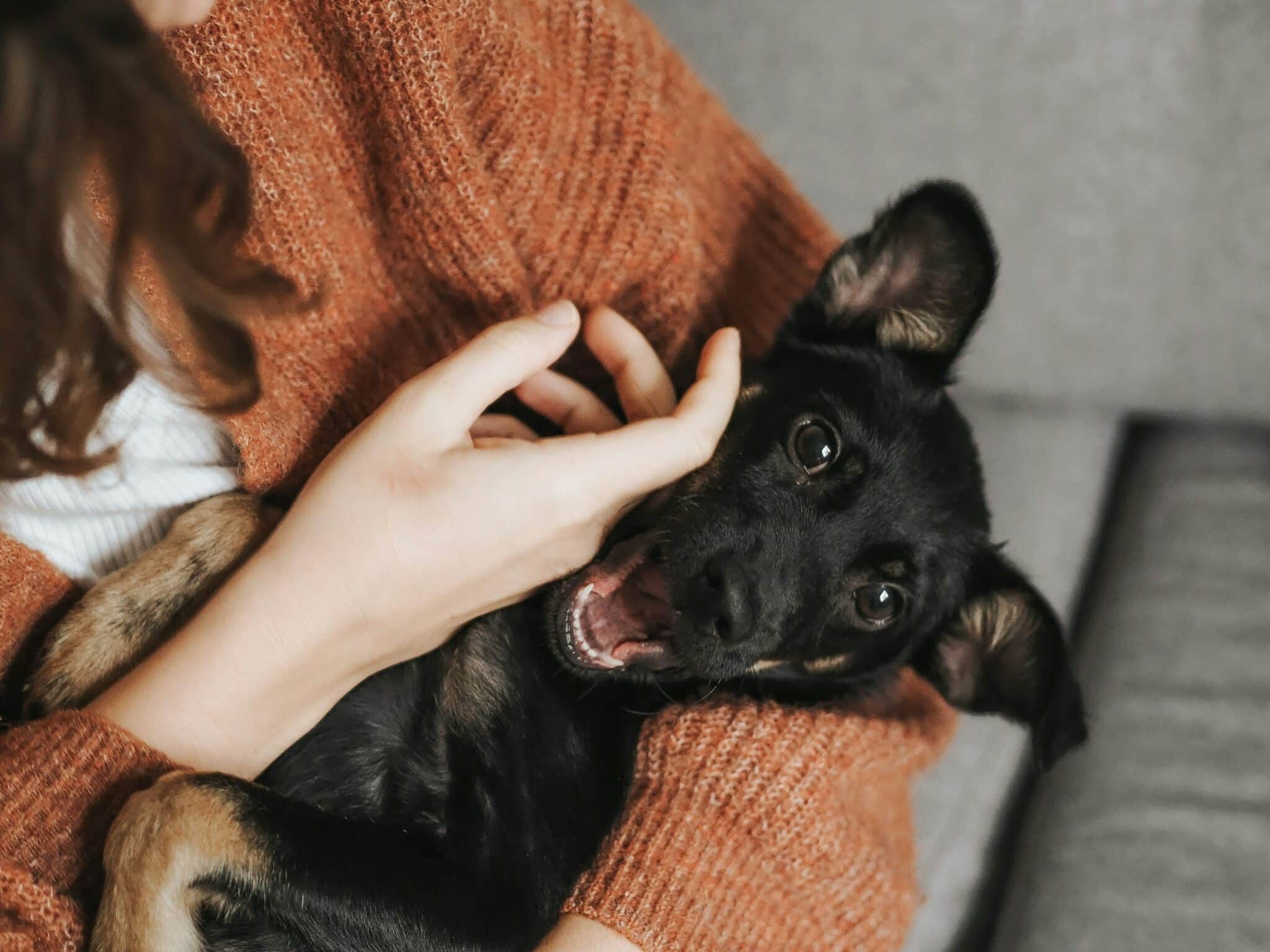
For millions of households, pets are more than just animals, they’re family. Dogs and cats curl up on couches, roam kitchens, and sometimes even get a taste of what’s cooking. But while they offer companionship, they can also introduce risks to your household’s food safety. Pets, like humans, can carry or transmit bacteria and pathogens that cause foodborne illness. Understanding these risks and adopting good hygiene habits can help ensure that your love for your pets doesn’t inadvertently compromise your health.

How Pets Can Contribute to Foodborne Illness

Pets can be silent carriers of harmful bacteria and parasites, including Salmonella, Campylobacter, E. coli, and Listeria. These pathogens can live in an animal’s saliva, fur, feces, or paws, and they don’t always make pets visibly sick, making it easy to overlook the danger.

Cross-contamination is a primary concern. A dog that walks through a litter box and then jumps on the kitchen counter can leave behind traces of fecal matter. A cat that licks a plate in the sink or a dog that sniffs around the trash can transfer bacteria to surfaces where food is prepared or consumed. If hands or food come into contact with these contaminated surfaces, the result can be a foodborne infection.

High-Risk Activities and Behaviors

While it’s natural to enjoy close contact with your pets, some behaviors can elevate the risk of spreading foodborne illness in your home. Here are some common situations to watch for:

  • Feeding Pets in the Kitchen: Keeping your pet’s food and water bowls in or near your kitchen may be convenient, but it can also increase the risk of bacteria transfer to food preparation surfaces.
  • Pets on Counters or Tables: Cats and small dogs often like to climb or jump onto high surfaces, including countertops and dining tables. This puts their paws, and whatever bacteria they carry, where your food is prepared or served.
  • Sharing Food or Plates: Letting pets lick plates, utensils, or even your hands after handling food may seem harmless, but it can easily spread harmful bacteria between humans and animals.
  • Handling Raw Pet Food: Raw pet diets have grown in popularity, but they come with high contamination risks. Raw meats and eggs can harbor Salmonella and Listeria, posing risks to both pets and humans.

Zoonotic Pathogens: What to Know

Zoonotic diseases, illnesses that can be transmitted between animals and humans, are a major part of the pet-related food safety discussion. The Centers for Disease Control and Prevention (CDC) regularly warns pet owners about infections such as:

  • Salmonella from handling contaminated pet food or feces.
  • Campylobacter from exposure to infected animals or their waste.

  • Toxoplasma gondii, a parasite in cat feces that is especially dangerous for pregnant women.

These organisms can cause gastrointestinal symptoms like diarrhea, vomiting, fever, and cramping, and in some cases, more serious complications, particularly in children, the elderly, and immunocompromised individuals.

Keeping a Clean and Safe Home

Fortunately, preventing pet-related foodborne illness comes down to hygiene and smart habits. Here are some key steps:

  • Wash Hands Often: After feeding pets, cleaning litter boxes, or picking up waste, wash your hands with soap and warm water for at least 20 seconds.
  • Keep Food and Pet Zones Separate: Avoid preparing human food near pet feeding areas or where pets are bathed. Use separate utensils and cutting boards for preparing raw pet food.
  • Disinfect Surfaces Regularly: Clean countertops, dining tables, and kitchen sinks with food-safe disinfectants, especially if pets have had access.
  • Train Pets to Stay Off Surfaces: Teaching your pets not to jump on counters or eat off plates is a long-term investment in food safety.
  • Store Pet Food Safely: Keep kibble or wet food in sealed containers, and refrigerate leftovers from opened cans or raw food immediately.

Children and Pet Food Safety

Children are naturally curious and less likely to follow strict hygiene habits, which makes them more vulnerable to infection. Never allow children to handle raw pet food or touch pets while eating. Make sure they wash their hands after playing with animals and discourage them from putting their hands or pet toys in their mouths.

Final Note

Living with pets brings joy and emotional benefits, but it also comes with responsibilities, especially when it comes to food safety. With a little awareness and some simple practices, you can minimize the risk of foodborne illness without sacrificing the bond you share with your animal companions.

In short, yes, pets can contribute to the spread of foodborne illness in your home. But by practicing cleanliness, setting boundaries, and staying informed, pet owners can enjoy a healthy household where both people and animals thrive.

Share. Facebook Twitter Pinterest LinkedIn Tumblr Email
Avatar photo
Alicia Maroney

Related Posts

The Risks of Baking Sourdough Bread From a Starter and How to Avoid Mistakes

January 9, 2026

Why Is It That Pregnant Women Have to Worry About Listeria More Than Others?

January 8, 2026

How Viruses Like Hepatitis A and Norovirus Are Changing the Global Food Safety Landscape

January 5, 2026

Start the Year Safe: Understanding the Causes and Dangers of Listeria, Salmonella, and E. coli

January 2, 2026
Add A Comment
Leave A Reply Cancel Reply

Attorney Advertisement
Ron Simon

Subscribe to Updates

Get the latest food safety recall, outbreak, & investigation news.

Latest Posts

Interesting Research into Food Poisoning (Think Salmonella, Listeria, and E. coli) Slated for 2026

January 9, 2026

Wild Pathogens: How Wildlife Brings Foodborne Illness Like Salmonella and E. Coli from Field to Fork

January 9, 2026

Antibiotic-Resistant Foodborne Infections: A Growing Threat at the Dinner Table

January 9, 2026

Food Poisoning News is a website devoted to providing you with the most current information on food safety, dangerous pathogens, food poisoning outbreaks and outbreak prevention, and food poisoning litigation.

We're social. Connect with us:

Facebook X (Twitter) YouTube
Latest Posts

Interesting Research into Food Poisoning (Think Salmonella, Listeria, and E. coli) Slated for 2026

January 9, 2026

Wild Pathogens: How Wildlife Brings Foodborne Illness Like Salmonella and E. Coli from Field to Fork

January 9, 2026

Antibiotic-Resistant Foodborne Infections: A Growing Threat at the Dinner Table

January 9, 2026
Get Informed

Subscribe to Updates

Get the latest food safety recall, outbreak, & investigation news.

Facebook X (Twitter) YouTube
  • Home
© 2026 Food Poisoning News. Sponsored by Ron Simon & Associates a Houston, TX law firm. Powered by ArmaVita.
Our website and content are for informational purposes only. Food Poisoning News does not provide legal advice, medical advice, diagnosis, or treatment.

Type above and press Enter to search. Press Esc to cancel.