

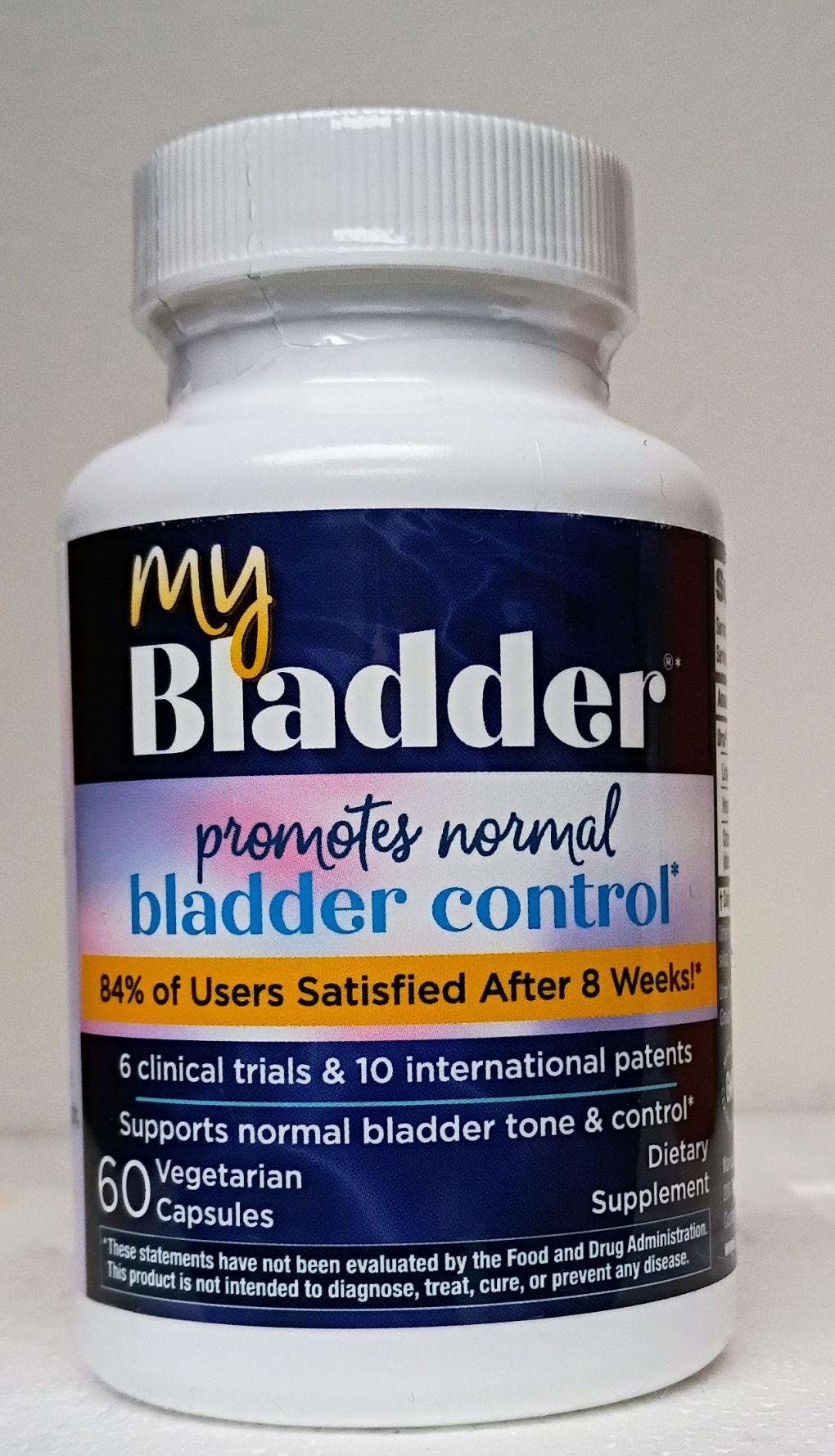

Purity Products Recalls One Lot of MyBladder After Detection of Escherichia coli O7:K1 and 1303
Purity Products announced a voluntary recall on October 27, 2025, for a single lot of its dietary supplement MyBladder after routine testing indicated the product “has the potential to be contaminated with Escherichia coli O7:K1 and 1303” (FDA.gov). The company described the action as a precautionary measure to protect consumers and ensure product safety. The announcement was posted as a company recall notice on the U.S. Food and Drug Administration’s recall portal.
Purity Products’ public statement, posted to the FDA recall page, makes clear that the recall concerns one lot of MyBladder distributed through online retail channels, including Walmart and Amazon. The company framed the recall in precautionary terms: “Plainview, NY. October 27, 2025: Purity Products is announcing a recall of one lot of its dietary supplement MyBladder because it has the potential to be contaminated with Escherichia coli O7:K1 and 1303.”
The recall notice indicates distribution was nationwide via direct delivery through major e-commerce platforms, increasing the geographic footprint of potentially affected product. Media coverage of the recall similarly notes the product was sold online and that the lot in question bore a specific lot code printed on the bottles, making it possible for consumers to check their own purchases quickly.
At the time of the announcement, Purity Products and public health authorities reported that no illnesses had yet been linked to the lot. The recall remains in effect while the company and regulators conduct follow-up testing, trace distribution records, and confirm that affected bottles are being removed from circulation.
Why E. coli O7:K1 and Strain 1303 Raise Concern
Escherichia coli is a broad species that includes harmless commensals as well as strains that cause disease. Some E. coli produce toxins or have genetic features allowing them to invade tissue or cause extra-intestinal infections. The strains identified in Purity Products’ recall, O7:K1 and 1303, are recognized in clinical and veterinary literature as having pathogenic potential, including the capacity to cause gastrointestinal illness and, in some contexts, bloodstream or urinary tract infections. The public notice warns that the presence of these strains “may pose a risk for gastrointestinal or other infections, particularly in vulnerable individuals such as neonates, young children, older adults, and those with weakened immune systems” (FDA.gov).
Understanding the clinical stakes requires context: infection with E. coli that produces Shiga toxin (STEC) or that behaves as extra-intestinal pathogenic E. coli (ExPEC) can result in symptoms ranging from mild diarrhea to severe, life-threatening conditions. The Illinois Department of Public Health summarizes these clinical effects: “Most people infected with STEC [Shiga toxin–producing] E. coli develop diarrhea (often bloody) and abdominal cramps.” The CDC also cautions that some infections can progress to hemolytic uremic syndrome (HUS), a rare but serious complication that can cause kidney failure, particularly in children.
While the strains named in the recall are not necessarily identical to classical STEC O157:H7, the identification of clinically important serotypes or ExPEC lineages in a consumer supplement is reason for immediate action because supplements are taken orally and could deliver bacteria into the gut of consumers who may be vulnerable.
How a Dietary Supplement Can Become Contaminated
Dietary supplements can become contaminated at multiple points along the production chain. Raw botanical ingredients, the water used in extraction, processing equipment, packaging lines, or simply lapses in Current Good Manufacturing Practices (GMP) (FDA.gov) can introduce microbes. For example:
- Contaminated raw materials. Herbs, plant extracts, and other natural ingredients may be exposed to animal feces, irrigation water contaminated with fecal bacteria, or soil that contains E. coli. If suppliers do not test or sanitize inputs consistently, bacteria can survive through to the finished product.
- Water and extraction processes. Water used during extraction or formulation that is not properly treated can seed products with bacteria. Even trace contamination in processing water can amplify during production.
- Post-processing contamination. A product that receives a microbial kill step can still be re-contaminated if filling lines, bottle caps, or packing rooms are contaminated. Biofilms on equipment or poor sanitation procedures can create persistent reservoirs.
- Storage and distribution. Improper storage conditions, damaged seals, or long transit times under warm conditions can allow low levels of bacteria to multiply in some formulations.
Manufacturers are supposed to operate under CGMP and perform environmental monitoring, but recalls occur when gaps are found, testing reveals contaminants, or tracebacks identify supplier or facility issues. The Purity Products notice frames this recall as precautionary and suggests that the company acted after an internal or regulatory test flagged the presence of the two E. coli strains.
Who Is Most at Risk and Why Early Caution Matters
Risk is not uniform across the population. According to the national food poisoning lawyer, Tony Coveny, “While healthy adults often recover from most enteric E. coli infections without specialized care, neonates, young children, older adults, pregnant people, and individuals with weakened immune systems face higher risks of severe outcomes.” The Purity Products announcement explicitly flags those groups, advising particular caution.
For clinicians and caregivers, the combination of supplement exposure and onset of gastrointestinal symptoms in a vulnerable person should prompt early evaluation and stool testing. For public health authorities, the early, precautionary recall reduces the probability that contaminated product remains widely available and lowers the risk of a cluster of illnesses that could otherwise go unrecognized until hospitalizations trigger an investigation.
Consumer and Clinician Guidance: What To Do Now
Purity Products’ FDA-posted announcement and media reports are explicit about immediate actions consumers and clinicians should take:
- Stop using the product immediately. Anyone who has the recalled lot of MyBladder should stop taking the supplement and follow the manufacturer’s instructions for return or disposal. The FDA recalls portal posts company contact information and procedures for refunds or returns.
- Monitor for symptoms. Symptoms of E. coli infection can include diarrhea, stomach cramps, fever, and vomiting. The CDC notes common symptom patterns and the possibility of more serious complications such as HUS in some cases. Seek prompt medical attention if symptoms develop, especially for high-risk individuals.
- Conserve packaging and receipts. If illness occurs, saving the product bottle, lot number, and purchase information can assist investigators in linking cases to a specific lot.
- Report adverse events. Consumers and clinicians should report suspected adverse events to the manufacturer and to FDA’s MedWatch program. Timely reporting helps public-health authorities detect and investigate potential links between product lots and clinical cases.
Clinicians should consider collecting stool specimens for culture and molecular testing if a patient who consumed the supplement becomes ill. Early subtyping and sequencing can determine whether cases share the same strain identified in the product and can establish a causal link.
Investigative Priorities: What Regulators and the Company Will Do Next
When environmental or product testing reveals concerning organisms, standard investigative steps typically include:
- Confirmatory testing and genome sequencing. Public-health labs will confirm the initial findings and sequence isolates. Whole-genome sequencing (WGS) can show whether strains from product samples match any human isolates. WGS has become central in modern outbreak detection because it provides high-resolution linkage between sources and cases.
- Traceback of raw materials and suppliers. Regulators and company investigators will map the supply chain for the implicated lot, identifying each supplier of botanical extracts, water sources, processing locations, and packaging partners. The goal is to find where contamination entered the chain.
- Environmental assessment at the manufacturing site. Inspectors will sample surfaces, equipment, drains, and environmental niches where bacteria can persist to identify contamination reservoirs. If persistent biofilms or sanitation lapses are found, corrective action plans, including equipment cleaning, process validation, or temporary shutdowns, are common.
- Review of quality-assurance records and GMP compliance. Audits will examine environmental monitoring, sanitation logs, water testing, supplier certificates of analysis, and lot release testing methods. Gaps in documentation often point to systemic deficiencies that need remediation.
- Communication and expansion of recall if necessary. If additional lots, formulations, or brands are implicated through distribution records, the recall may be broadened. Regulators will work with the company to notify downstream customers and retailers.
Public postings on the FDA recall page typically update as the investigation proceeds; consumers and clinicians should check that page and the company’s web pages for the latest notices.
Why Supplements Deserve Special Attention
Dietary supplements are regulated differently from drugs. In the United States, manufacturers are responsible for product safety and GMP compliance; FDA intervenes when problems arise, often through recalls triggered by companies themselves or by regulatory testing. Some structural features of the supplement market increase risk:
- Complex global supply chains. Many botanical ingredients are sourced internationally, sometimes from small suppliers with variable oversight.
- Variability in testing. Not all firms perform the same breadth or frequency of microbiological testing on raw ingredients or finished products.
- Rapid market growth and product proliferation. A crowded market with many small producers can make consistent oversight challenging.
- Perception of safety. Consumers often view supplements as benign or “natural,” which can lead to relaxed attitudes toward storage, expiry, or monitoring of adverse symptoms.
For these reasons, recalls in the supplement sector, while common, require clear communication and robust tracebacks to protect public health and preserve consumer confidence.
The Public Health Perspective: Detection, Reporting, and Prevention
The Purity Products recall underscores the role of surveillance and routine testing in preventing illness. Detecting contamination before illnesses appear reflects successful monitoring by companies or regulators; it is preferable to reactive detection after people get sick. Public-health authorities advocate for robust adverse event reporting and for healthcare providers to ask about supplement use when evaluating gastrointestinal illness.
Prevention requires both upstream controls (supplier auditing, validated processing, environmental monitoring) and downstream vigilance (retail checks, consumer education, prompt reporting of adverse events). Regulators frequently publish guidance on environmental sampling, GMPs, and corrective actions; companies integrating those tools are less likely to experience widespread recalls.
Practical Steps For Different Audiences
Consumers
- Check your household supplements for the affected lot and stop using any bottles that match the company’s recall details.
- Dispose of recalled product per the company’s instructions or return it to the seller for a refund.
- Watch for gastrointestinal symptoms for up to a week after exposure and seek medical help promptly if symptoms develop, particularly in young children, older adults, pregnant people, or immunocompromised persons.
- Report adverse events to the manufacturer and to FDA’s MedWatch portal to aid surveillance.
Clinicians
- Ask patients with new gastrointestinal symptoms about recent supplement use.
- If patients have taken the recalled product and become ill, collect stool specimens and notify public health authorities so isolates can be sequenced and compared to product isolates.
- Provide supportive care and early referral for patients showing signs of severe disease or dehydration.
Retailers and e-commerce platforms
- Pull affected inventory immediately and follow the company’s and FDA’s instructions for disposal, returns, or refunds.
- Maintain records of purchasers if possible to facilitate consumer notification and to prevent continued distribution through secondary channels.
Regulators and investigators
- Prioritize confirmatory testing and genome sequencing to determine whether product isolates match any clinical cases.
- Trace raw materials and suppliers to identify the contamination source.
- Publish updates on recall status and any expansion of affected lots.
Broader Implications and Risk Communication
The recall highlights two important public-health lessons. First, routine testing and transparent company action can avert outbreaks before people get sick; second, because supplements are widely used, often by people seeking health benefits, clear communication is essential to maintain trust. When companies move quickly and provide clear return/refund pathways, they reduce harm and strengthen consumer protection.
Regulators also must ensure that surveillance systems capture supplement-related adverse events and that laboratories have capacity to sequence and link clinical cases to product isolates. For policymakers, this recall may prompt closer examination of raw-material traceability and environmental monitoring requirements for supplement manufacturers.
Analysis & Next Steps
What’s New: Purity Products has issued a voluntary recall for one lot of MyBladder after testing indicated potential contamination with E. coli O7:K1 and 1303. Distribution was through online retailers including Walmart and Amazon; no illnesses are reported at present. The company posted the recall notice on the FDA’s Recalls, Market Withdrawals, & Safety Alerts page.
Why It Matters: The presence of clinically important E. coli strains in an orally consumed supplement raises the possibility of gastrointestinal and extra-intestinal infections, particularly in high-risk groups. Because supplements are widely used and often stored in homes for long periods, even a single contaminated lot can have broad reach. Early recall action reduces the chance of cases but requires rapid consumer notification and effective product removal.
Who’s Affected: Consumers who purchased the recalled lot of MyBladder are directly affected, especially neonates, young children, older adults, pregnant people, and immunocompromised individuals who face higher risks for severe disease. Retailers and e-commerce platforms that sold the product are responsible for removing inventory and aiding consumer notification. Public-health authorities and clinicians may be affected as they prepare to identify and manage any illnesses that could emerge.
What To Do Now:
- Consumers: Stop using the supplement immediately; follow the company’s return or disposal instructions; monitor for symptoms and seek medical care if illness develops.
- Clinicians: Ask about supplement use in patients with gastrointestinal symptoms; collect and submit stool samples for culture and sequencing if indicated; report suspected cases to public-health authorities.
- Retailers and platforms: Quarantine and remove implicated lots, issue consumer notices, and cooperate with company and regulatory instructions for refunds and returns.
- Regulators and the manufacturer: Complete confirmatory testing and whole-genome sequencing, conduct a thorough traceback of raw materials and production steps, perform environmental sampling at manufacturing sites, and share updates publicly as investigations yield new information.
Final Note
The Purity Products recall of MyBladder demonstrates both the vulnerabilities inherent in complex supply chains and the safety value of routine testing and transparent action. Although no illnesses have been reported to date, the identification of E. coli O7:K1 and 1303 in a consumer product justifies rapid, broad notification and product removal. Consumers, clinicians, retailers, and regulators each play distinct roles in ensuring the recall is effective and that any potential illnesses are identified and contained. For the latest official information and instructions, consult the FDA recalls page and the company’s recall notice.
