

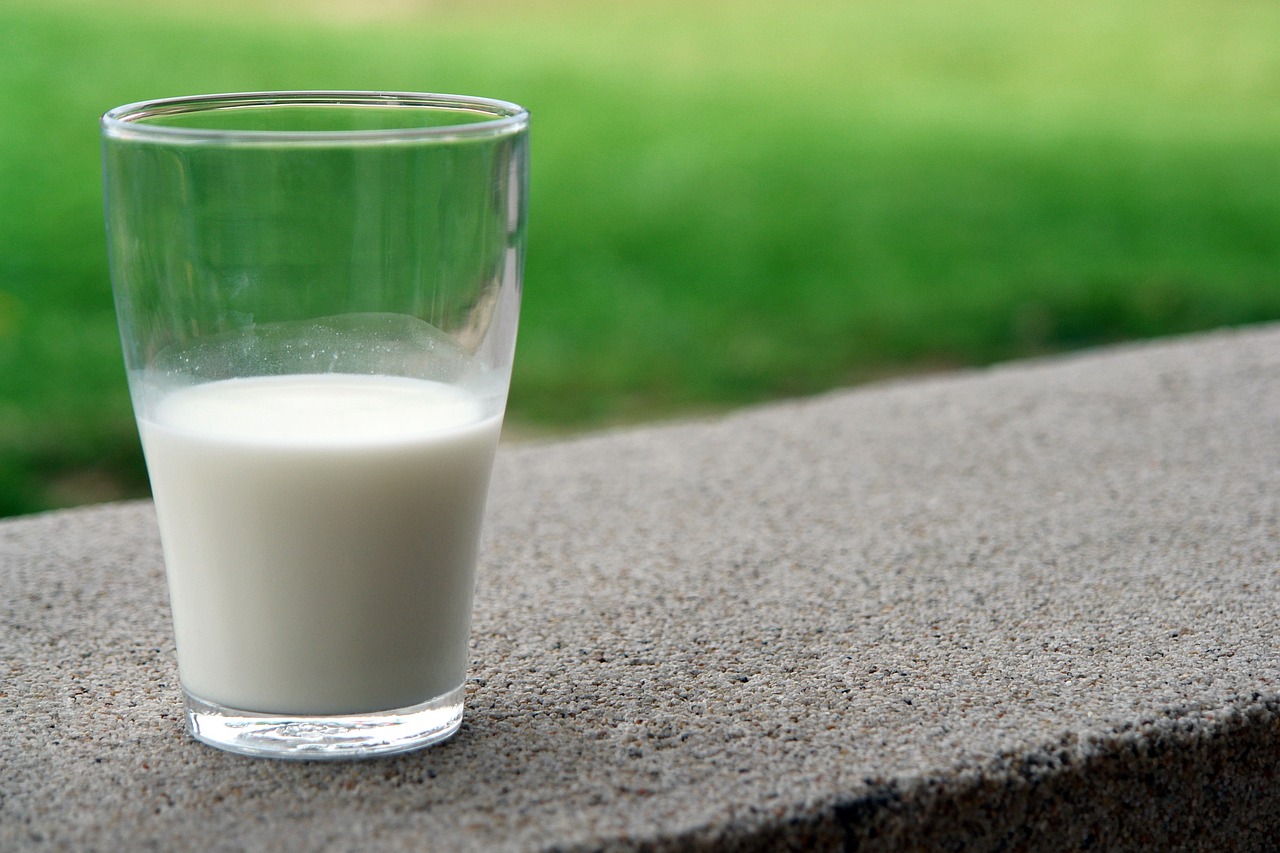

The Illinois Department of Public Health (IDPH) has reported at least 11 confirmed cases of Campylobacter infection that appear to be linked to the consumption of unpasteurized (“raw”) milk from a common source. While the specific raw‐milk producer remains unnamed in the public release, the company is said to be cooperating with the investigation and notifying its customers.
Raw milk is milk that has not undergone pasteurization—a heat treatment process that kills harmful microbes. IDPH Director Sameer Vohra emphasized that “Pasteurization is one of the greatest public health successes of the last century,” and cautioned that raw milk “skips this important step and can carry dangerous germs that may cause serious illness, especially in young children, older people and individuals with chronic medical conditions.”
What We Know About the Illnesses
The symptoms of Campylobacter infection typically emerge within two to five days of exposure and may include diarrhea (sometimes bloody), fever, stomach cramps, nausea and vomiting. In more severe or rare cases, complications such as irritable bowel syndrome, reactive arthritis, or the neurologic condition Guillain‑Barré Syndrome have been reported.
According to state raw-milk regulations in Illinois, raw milk must be tested for temperature, antibiotics and other signs of contamination prior to sale—but the rules do not require testing for pathogens such as Campylobacter, E. coli or Salmonella.
Why It Matters
This outbreak is significant on multiple fronts.
- It highlights the risks of consuming raw milk—a product often marketed as “natural” or “healthier,” but which lacks the pathogen‐kill step that pasteurization provides.
- It underscores a regulatory gap: although raw milk is legal in some contexts in Illinois, the absence of required pathogen testing leaves consumers exposed to microbial dangers.
- The public health stakes are high: vulnerable populations (young children, elderly, immunocompromised) are particularly at risk from foodborne pathogens, and when an outbreak occurs, even a small case count (in this instance 11+) reflects a serious lapse in safety.
- From a consumer safety and legal standpoint, outbreaks connected to raw milk may trigger liability issues for producers or distributors if negligence can be shown in packaging, labeling, storage or distribution.
What Consumers Should Do
- Prefer pasteurized milk and dairy products, especially for children, older adults and people with underlying health conditions.
- If you have consumed raw milk and begin to experience diarrhea, fever or stomach cramps, consult a healthcare provider—early diagnosis and care can reduce the risk of serious complications.
- Store all dairy products at or below 40 °F refrigerated and discard any product past its expiration or that shows signs of spoilage.
- Stay alert to outbreak notices from health departments, especially if raw‐food or specialty‐milk products are involved.
The Takeaway
While many consumers view raw milk as a niche or artisanal product, this outbreak demonstrates that it still poses real and preventable risks. Public health agencies continue to warn that skipping pasteurization means skipping a critical barrier against bacteria such as Campylobacter. For producers, regulators and consumers alike, this incident offers a sobering reminder that “natural” does not always mean “safe”—and that pathogen control remains fundamental in dairy production and consumption.
