

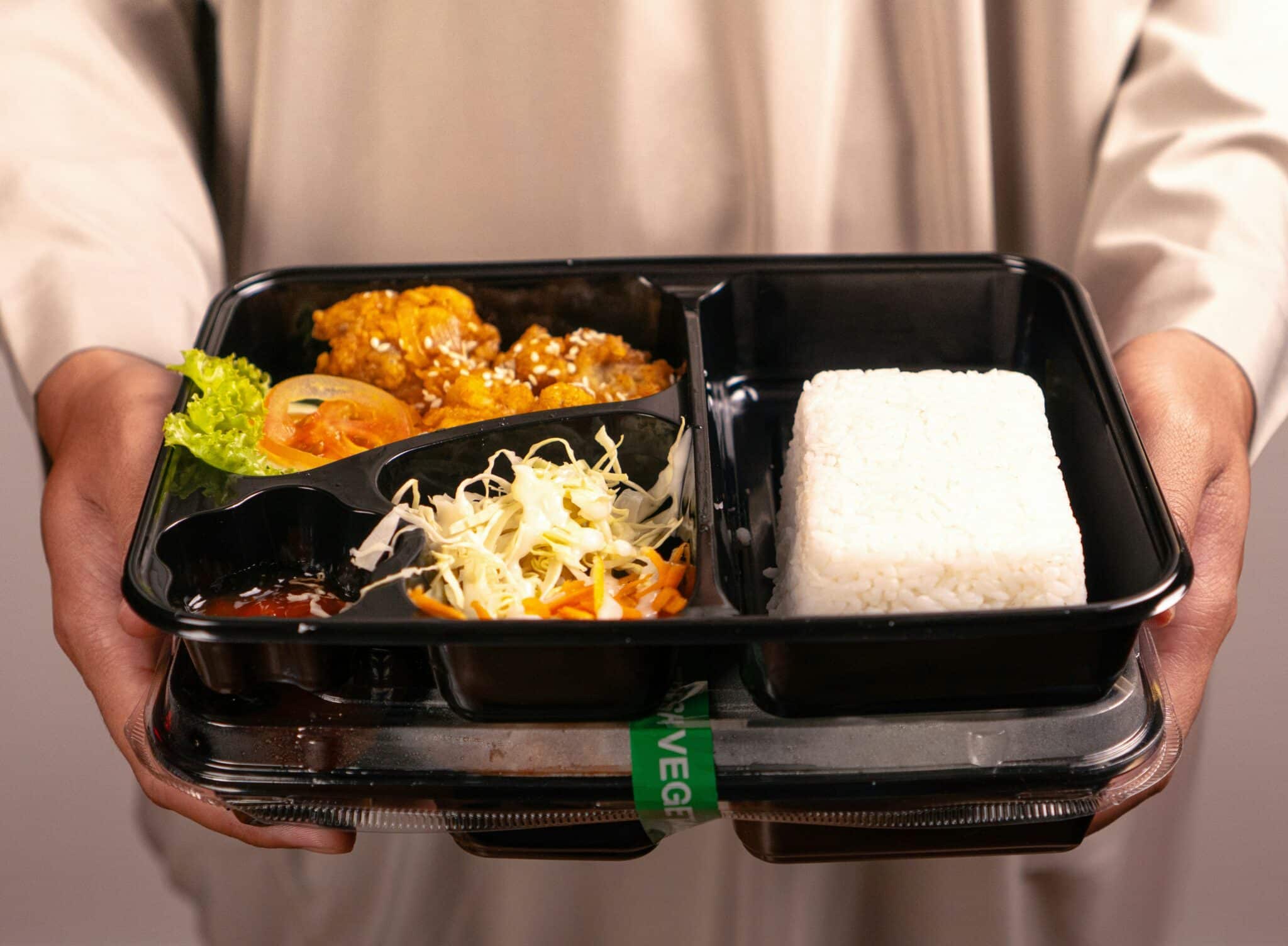

It’s a typical lunch break. You grab a salad from the refrigerated section of the grocery store, or maybe a turkey wrap from the gas station down the street. The packaging is sealed. The expiration date looks fine. You assume it’s safe. But what many people don’t realize is that even seemingly fresh, refrigerated ready-to-eat (RTE) meals can carry a silent and deadly risk: Listeria monocytogenes.
Unlike most foodborne bacteria, Listeria can survive—and even grow—in cold temperatures. That means even meals stored properly in commercial refrigerators may not be free of contamination. It’s a serious concern, especially considering how common RTE products have become in our fast-paced lifestyles. Pre-packaged deli meats, salads, wraps, cheeses, and even sushi all fall into the high-risk category.
Each year, an estimated 1,600 people in the United States are infected with listeriosis, the illness caused by Listeria. While that number may seem low compared to other foodborne pathogens like Salmonella or E. coli, Listeria is far more lethal. According to the CDC, about 1 in 5 people infected with Listeria die as a result. It’s a pathogen with a low incidence—but high severity.
Who’s at Risk?
Listeria poses the greatest threat to vulnerable populations. Pregnant women are especially susceptible, and a Listeria infection during pregnancy can lead to devastating outcomes such as miscarriage, stillbirth, premature birth, or serious illness in newborns. The CDC estimates that pregnant women are about 10 times more likely to get Listeria infection compared to the general population.
Adults over 65 and people with weakened immune systems—such as cancer patients or those taking immunosuppressant medications—are also at higher risk. For these individuals, Listeria can spread beyond the digestive tract and cause serious complications like septicemia (blood infection) or meningitis.
Even in healthy adults, Listeria infection can be serious, and symptoms may appear days or even weeks after exposure. This long incubation period can make it difficult to trace outbreaks or pinpoint the source of contamination.
How Listeria Gets Into Ready-to-Eat Foods
Listeria contamination often occurs after cooking but before packaging—during slicing, assembling, or packaging in a food facility. This is especially dangerous with RTE foods, which are not reheated before being eaten. Unlike raw meat or poultry, which is typically cooked before consumption, these products are consumed “as-is,” meaning there’s no kill step to eliminate bacteria.
What makes matters worse is that Listeria thrives in moist, cool environments, like food processing equipment, cold storage rooms, and deli slicers. If a facility’s sanitation practices aren’t rigorous, the bacteria can persist and contaminate multiple batches of food over time. And because Listeria can grow slowly in refrigerated conditions, the risk increases the longer the product sits in storage—even before the expiration date.
Major Listeria Outbreaks Linked to RTE Foods
Several outbreaks have brought national attention to the dangers lurking in pre-packaged foods. One of the most severe came in 2011, when Listeria-contaminated cantaloupes from Jensen Farms sickened 147 people across 28 states and resulted in 33 deaths. While not an RTE meal in the traditional sense, the outbreak made clear how easily fresh, refrigerated food can become deadly.
In 2016, pre-packaged salads produced by Dole were linked to a Listeria outbreak that caused 19 infections and one death across nine states. The affected products were bagged salads processed at a facility in Springfield, Ohio. Many of the people infected were elderly and immunocompromised. The case prompted a massive recall and renewed scrutiny of fresh-cut produce operations.
In 2021, Italian-style meats like prosciutto and salami sold in vacuum-sealed packs were connected to another Listeria outbreak that led to 36 hospitalizations and one death. These meats were consumed cold, without cooking, which eliminated the opportunity to kill the bacteria before eating. Products were pulled from shelves and listed in nationwide health alerts.
These cases highlight just how wide-ranging and severe Listeria contamination can be—and how frequently it occurs in ready-to-eat foods people assume are safe.
How to Protect Yourself
Preventing listeriosis starts with knowing which foods are high risk and taking precautions, especially if you fall into a vulnerable category. The CDC and FDA advise high-risk individuals to avoid:
- Pre-packaged deli meats and cold cuts unless reheated to steaming
- Pre-made deli salads, including egg salad, chicken salad, and tuna salad
- Unpasteurized soft cheeses (like brie, camembert, and queso fresco)
- Refrigerated pâtés or meat spreads
- Smoked seafood, unless it’s canned or cooked
At home, store RTE meals at 40°F (4°C) or lower and consume them quickly. The longer food sits in the fridge, even if unopened, the greater the chance Listeria has had time to grow. And while it’s not practical to avoid all convenience foods, high-risk individuals should take extra steps—such as reheating deli meats and avoiding soft cheeses unless they’re labeled as pasteurized.
Can the Industry Do More?
In recent years, food safety regulations have improved, especially under the Food Safety Modernization Act (FSMA), which shifted the focus from responding to outbreaks to preventing them. Still, enforcement can vary, and not all facilities follow the same rigorous protocols. Many outbreaks trace back to lapses in sanitation, poor maintenance, or gaps in cold chain handling.
Some food producers have begun using high-pressure processing (HPP), which kills bacteria in sealed packages without heat. Others are investing in more advanced environmental monitoring, where facilities test surfaces and equipment for Listeria to detect contamination early. These strategies work—but only if companies make them a priority.
Final Thoughts
Ready-to-eat meals offer convenience and accessibility, but for certain consumers, they come with real health risks. Listeria may not be the most talked-about foodborne illness, but it’s one of the most dangerous—especially for those most vulnerable.
As consumers, we can’t control every step of the supply chain. But we can make informed choices, stay alert to recalls, and know which products are safest for our health. Whether you’re stocking your fridge or grabbing lunch on the go, it’s worth remembering: just because it’s ready to eat doesn’t always mean it’s safe.
