

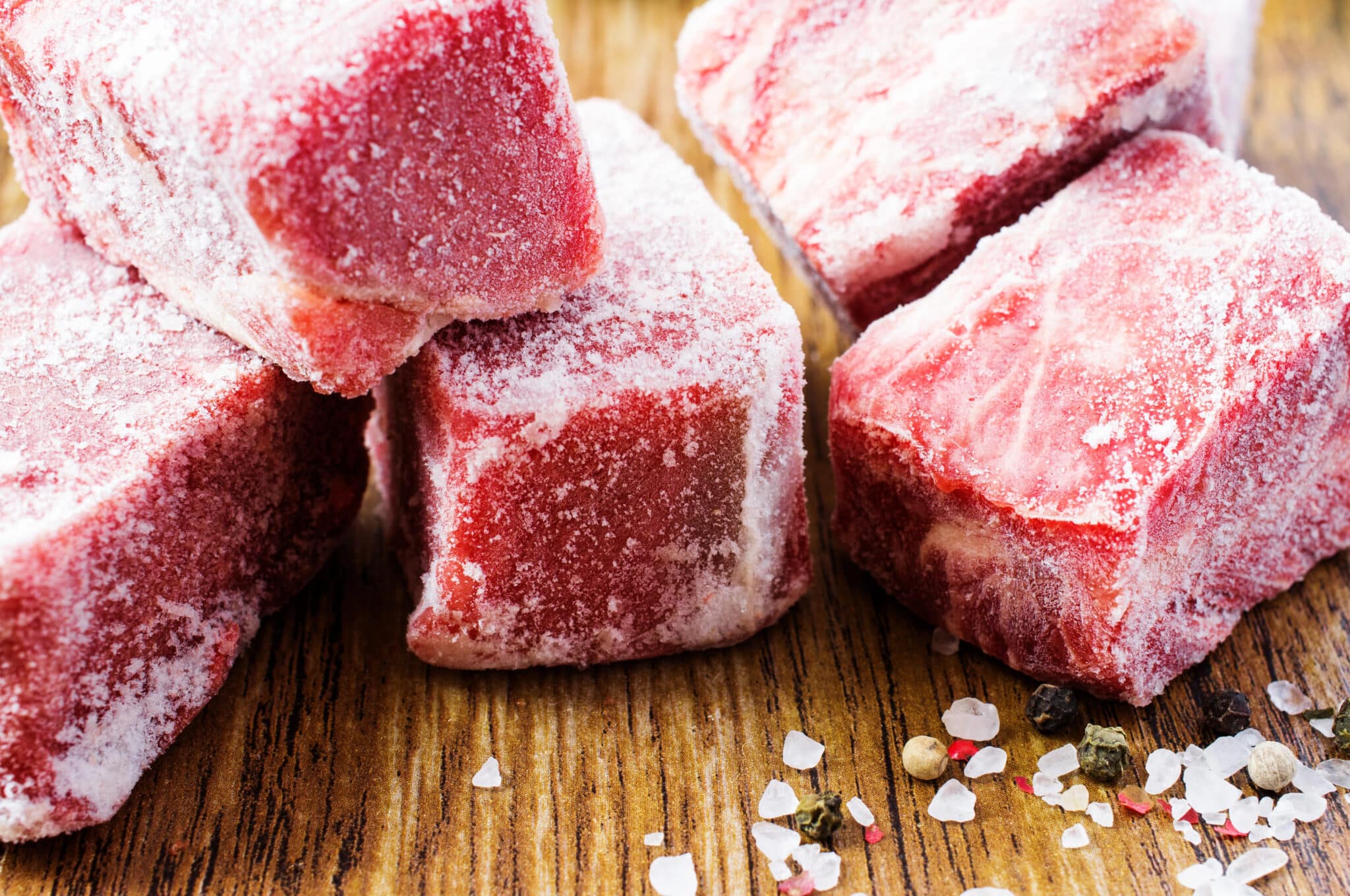

Thawing frozen meat might seem like a simple task, but doing it the wrong way can lead to dangerous foodborne illnesses. Whether you’re defrosting chicken for a family dinner or a steak for the grill, it’s crucial to follow safe thawing methods to prevent bacteria like Salmonella or E. coli from multiplying. The U.S. Department of Agriculture (USDA) and the Centers for Disease Control and Prevention (CDC) both emphasize that improper thawing is one of the leading contributors to foodborne illness outbreaks. Here’s what you need to know.
Why Safe Thawing Matters
When meat is left at unsafe temperatures (between 40°F and 140°F, also known as the “danger zone”), bacteria can double in number in as little as 20 minutes. Even if you plan to cook the meat afterward, bacteria like Listeria monocytogenes or Clostridium perfringens can produce toxins that are not destroyed by heat.
According to the USDA Food Safety and Inspection Service (FSIS), approximately 48 million Americans get sick from foodborne illnesses each year, and improper thawing is a contributing factor in many cases.
The 4 Safe Ways to Thaw Frozen Meat
1. In the Refrigerator (Recommended Method)
How it works: Place the frozen meat in its original packaging or a leak-proof container on the bottom shelf of the refrigerator. This keeps it at a safe, consistent temperature (below 40°F).
Time required:
- Small cuts (e.g., chicken breasts): 24 hours
- Large roasts or turkeys: 24 hours per 4–5 pounds
Why it’s safest: This method prevents the meat from entering the danger zone and gives you time to use or refreeze it safely.
2. In Cold Water
How it works: Submerge the meat in a leak-proof bag in cold tap water. Change the water every 30 minutes to keep it cold.
Time required:
- 1-pound package of meat: about 1 hour
- Whole turkey (12 pounds): 6–8 hours
Important tip: Cook the meat immediately after thawing. Do not refreeze unless it has been cooked first.
3. In the Microwave
How it works: Use your microwave’s defrost setting. Rotate and flip the meat frequently to ensure even thawing.
Important tip: Cook the meat immediately after microwaving because some parts may begin to cook during the process.
Caution: Microwaves can heat unevenly, increasing the risk of partially cooked spots where bacteria can survive.
4. Cooking Without Thawing
Yes, it’s safe! It is possible to cook meat from frozen. However, it will take approximately 50% longer than the usual cooking time.
Caveat: This method is only safe if you’re cooking the meat thoroughly and checking internal temperatures. Use a food thermometer to verify:
- Poultry: 165°F
- Ground meats: 160°F
- Beef, pork, lamb (steaks or roasts): 145°F (with a 3-minute rest)
Unsafe Thawing Methods to Avoid
Do NOT thaw meat on the counter. Leaving meat out at room temperature for over 2 hours allows dangerous bacteria to grow rapidly.
Avoid using hot water or placing meat in the sun. These methods result in uneven thawing and significant time in the danger zone.
Additional Tips for Thawing Meat Safely
- Label and date meat when freezing to ensure you use it within safe timeframes.
- Clean sinks, cutting boards, and utensils with hot, soapy water after use.
- Wash your hands before and after handling raw meat.
- Avoid cross-contamination by using separate cutting boards for raw and ready-to-eat foods.
Final Thought
Thawing meat properly is one of the simplest and most effective ways to protect yourself and your family from foodborne illnesses. By sticking to scientifically recommended methods—refrigerator, cold water, microwave, or direct cooking—you can ensure that your meals are both delicious and safe. With just a little planning, there’s no need to risk thawing shortcuts that could land you in the emergency room.
