

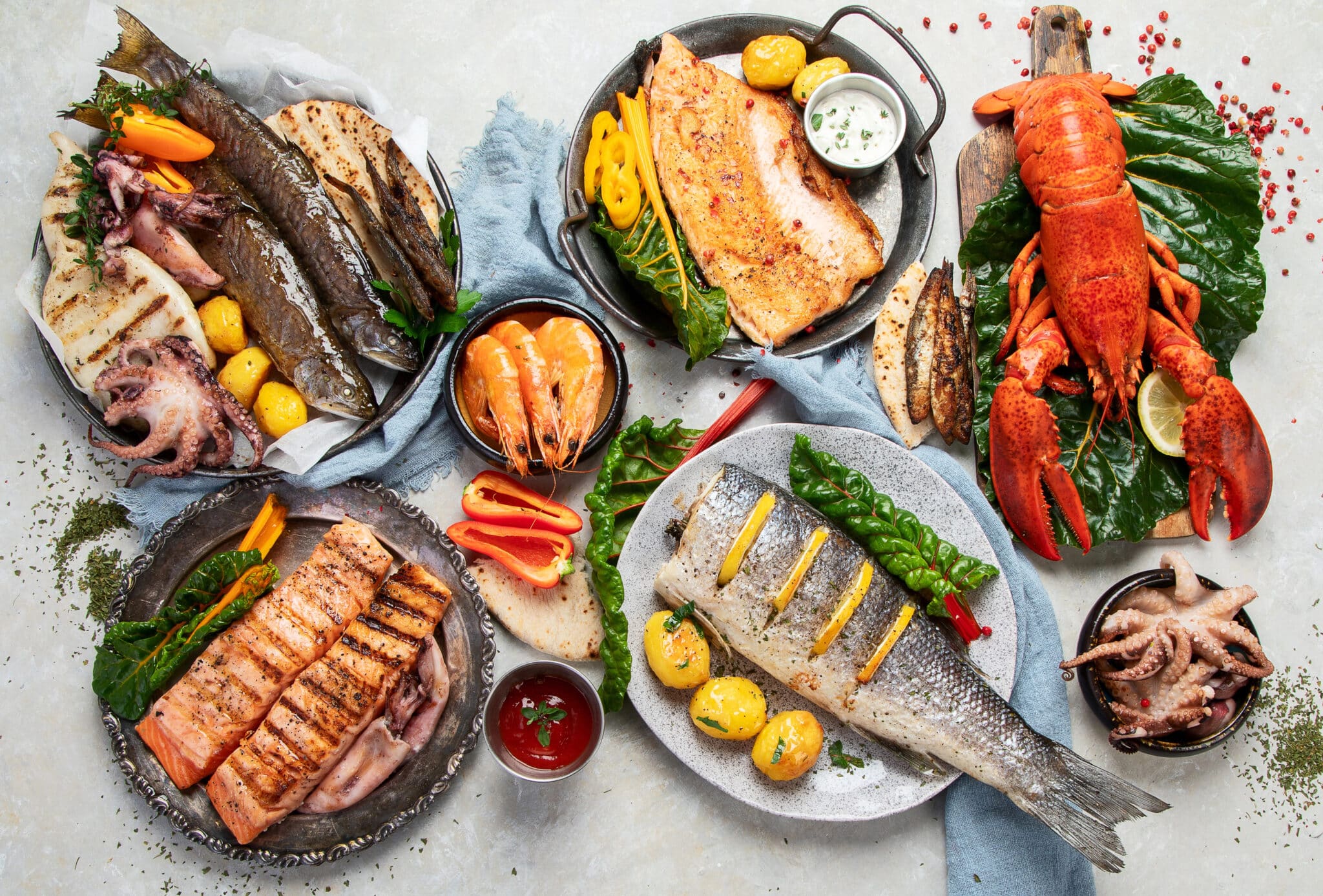

Seafood at Risk: How Sushi and Shellfish Spark Outbreaks
Raw fish and shellfish hold a special place on menus. Sushi has exploded in popularity across the U.S., and oysters are considered a delicacy at coastal restaurants and upscale events. Seafood feels fresh, sophisticated, and even healthy.
But beneath the allure lies a sobering reality: raw or undercooked seafood is among the riskier foods you can eat. From Salmonella in tuna to Vibrio in oysters, seafood has been tied to outbreaks that leave hundreds sick — and in some cases, cost lives.
Why Seafood Is Especially Risky
Seafood differs from other proteins like beef or chicken in several important ways:
- Raw consumption: Sushi, sashimi, ceviche, and oysters are often served raw or lightly cooked, removing the “kill step” of high heat.
- Aquatic pathogens: Marine environments harbor bacteria like Vibrio that thrive in warm coastal waters.
- Handling challenges: Seafood spoils quickly and must be kept cold from harvest to service. A single lapse in temperature can let bacteria multiply.
- Global supply chains: Fish and shellfish often travel long distances before reaching restaurants, increasing opportunities for contamination.
- Case Study 1: 2012 Salmonella Outbreak Linked to Raw Scraped Ground Tuna
- Impact: The CDC reported 425 illnesses across 28 states and the District of Columbia, with 55 hospitalizations.
- Cause: The culprit was raw, scraped ground tuna imported from India and used in spicy tuna rolls at sushi restaurants and grocery stores.
- Why it mattered: The tuna wasn’t served as filets but as ground meat, which increased surface area for bacteria and made contamination harder to detect. Many customers had no idea that their sushi rolls contained this high-risk product.
Case Study 2: 2013 Vibrio Outbreak Linked to Raw Oysters
A year later, another popular seafood delicacy made headlines for all the wrong reasons.
- Impact: In 2013, a multistate outbreak of Vibrio parahaemolyticus was traced to raw oysters harvested from the Atlantic Coast. The CDC confirmed 104 illnesses across 13 states.
- Cause: The oysters had been harvested during warm summer months when Vibrio naturally proliferates in coastal waters. Because they were eaten raw, the bacteria went straight from the ocean to the diner’s plate.
- Why it mattered: Vibrio infections cause severe gastrointestinal distress and can be life-threatening for people with liver disease or weakened immune systems. Despite warnings, raw oysters remain a high-risk food.
What These Outbreaks Teach Us
Together, the tuna and oyster outbreaks highlight the vulnerabilities of seafood:
- Contamination can happen at harvest, during processing, or in kitchens.
- Grinding or mixing fish (as in tuna) increases risk by spreading bacteria.
- Shellfish filter water as they feed, concentrating any pathogens present.
- Cold storage reduces risk but doesn’t eliminate it — and failures are common.
Consumers often underestimate these risks, assuming restaurants and retailers maintain strict safety practices. But outbreaks show that safety failures happen at every level of the chain.
How Consumers Can Reduce Risk
If you enjoy sushi or oysters, you don’t need to give them up entirely — but you should be informed:
- Know your health status: Pregnant women, children, the elderly, and immunocompromised individuals should avoid raw seafood entirely.
- Choose reputable sources: Eat sushi and raw oysters only at establishments with strong food safety reputations.
- Look for freshness: Shellfish should be tightly closed before cooking and discarded if open.
- Consider cooked options: Tempura rolls, baked sushi, and steamed shellfish provide safer alternatives.
- Stay alert for advisories: The CDC and state health departments issue warnings when shellfish beds are contaminated.
The Role of Industry and Regulators
Seafood safety requires vigilance at every step:
- Harvesters must monitor water quality and avoid beds contaminated with Vibrio or norovirus.
- Processors should test products, maintain cold chains, and follow HACCP (Hazard Analysis Critical Control Point) standards.
- Restaurants must store seafood at safe temperatures and educate staff about risks.
- Agencies like CDC and FDA provide outbreak monitoring, issue recalls, and enforce standards.
Still, despite these efforts, seafood remains a high-risk category — precisely because it is often eaten raw.
Final Thoughts
Seafood offers flavor and tradition, from sushi bars to oyster roasts. But as the Salmonella tuna outbreak of 2012 and the Vibrio oyster outbreak of 2013 demonstrate, these foods carry risks that should not be ignored.
Because while sushi rolls and raw oysters may be delicacies, no meal is worth a trip to the hospital.
