

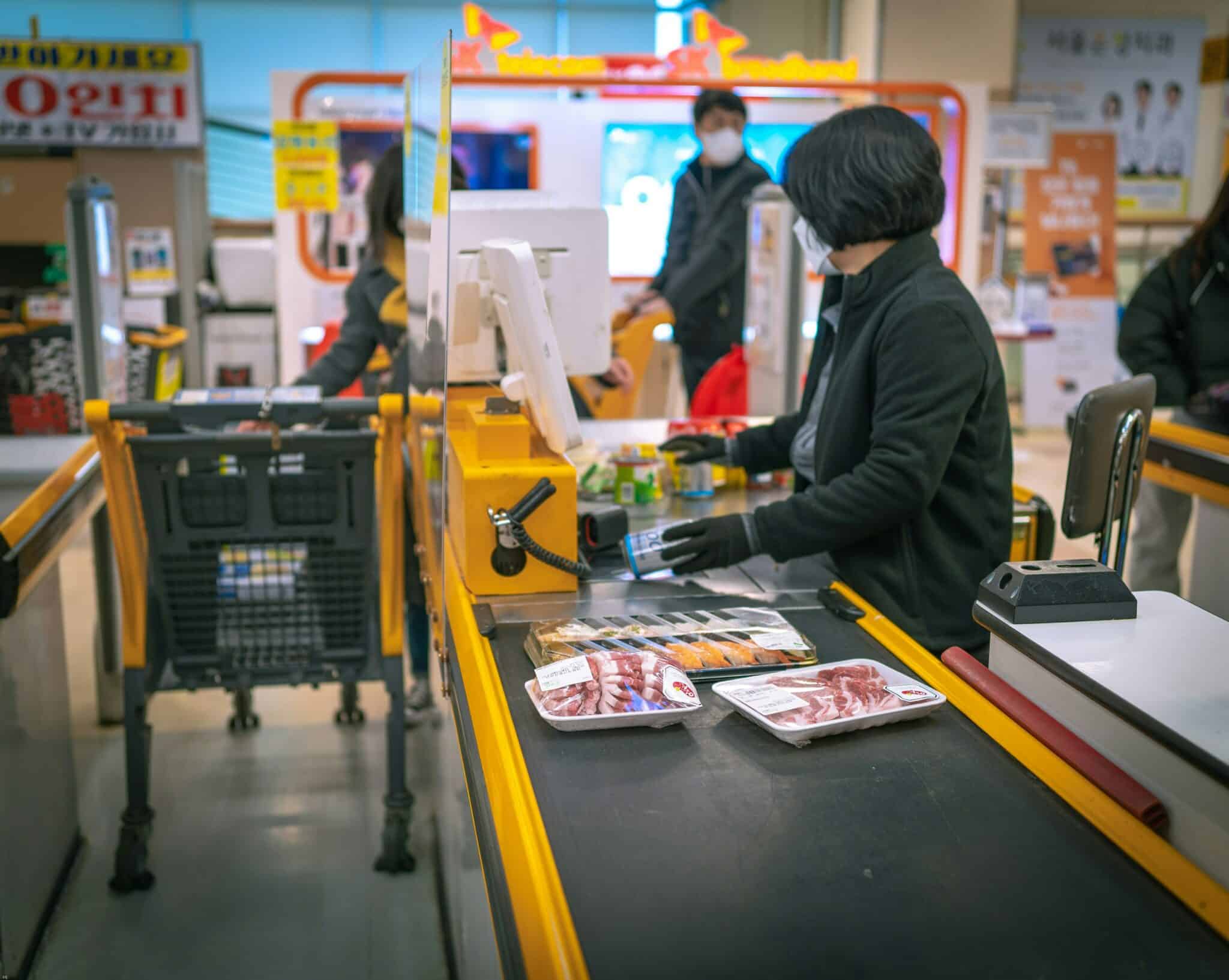

Self-Checkout and Food Safety: Are You Touching Contaminated Packaging?
Self-checkout has become a staple of modern grocery shopping. Designed for convenience and speed, it allows shoppers to scan, bag, and pay for their groceries with minimal interaction. But in a world still shaped by pandemic hygiene habits and growing awareness of surface contamination, a question lingers: could self-checkout stations be exposing shoppers to contaminated food packaging? As it turns out, the answer is yes, under the right (or wrong) circumstances, those touchscreen kiosks, shared bagging areas, and reusable grocery totes can quietly contribute to the spread of germs and foodborne pathogens.
The Touchscreen Dilemma
The most obvious source of contamination in self-checkout areas is the touchscreen interface. These screens are touched by hundreds of hands each day, many of which have just handled raw produce, leaky meat packages, or dirty wallets and phones. If not cleaned regularly and thoroughly, touchscreens become high-contact surfaces capable of transferring viruses and bacteria.
Studies have found that public touchscreens, including those in stores and restaurants, can harbor E. coli, Staphylococcus aureus, and even norovirus, depending on usage and sanitation frequency. While surface transmission of viruses like COVID-19 is now considered a lower risk than airborne spread, bacteria and viruses capable of causing foodborne illness can survive on surfaces for hours, or even days, under the right conditions.
Contaminated Packaging: More Common Than You Think
Most shoppers assume that pre-packaged food items are safe to handle, but packaging can be a hidden vehicle for contamination. Items like raw chicken, ground beef, and even dairy can leak during transit or shelf storage. Once on your hands, those juices may end up on self-checkout equipment, grocery bags, and other products, increasing the risk of cross-contamination.
Additionally, frozen or refrigerated items sometimes experience condensation when exposed to warmer air. This moisture can mix with bacteria from other products or hands, creating another contamination pathway.
Shoppers who use self-checkout without washing their hands or using sanitizer afterward may unknowingly transfer these contaminants to their car interiors, kitchen counters, or other household surfaces.
Reusable Bags: Eco-Friendly, But Are They Clean?
Reusable bags are another under-discussed factor in self-checkout safety. While environmentally friendly, they can also become bacterial breeding grounds when not washed regularly.
At self-checkout, reusable bags are often placed in holding areas or hung on hooks that multiple customers touch. As you load your food, cross-contamination can occur, especially if bags are touching scanner areas or coming into contact with raw or unclean items from other customers.
Lack of Employee Oversight
Unlike traditional checkout lanes, self-checkout areas often operate with minimal supervision. This can lead to less frequent sanitation of shared surfaces, such as touchscreens, bagging counters, and scale areas. Employees may not be present to spot issues like leaking packages, spilled liquids, or customers using improper hygiene.
Without someone to enforce basic food safety protocols, like separating raw meat from produce, shoppers are left to make their own decisions, and not everyone is as cautious as they should be.
Mitigating the Risks: What You Can Do
Despite these concerns, self-checkout doesn’t have to be a food safety hazard. With a few mindful habits, shoppers can protect themselves and others:
- Use hand sanitizer before and after checkout. Many stores offer sanitizing stations near self-checkout lanes. If not, bring your own.
- Bag raw meats and seafood separately. Use the provided plastic or compostable bags to prevent leaks.
- Avoid touching your face during checkout. Wait until you’ve sanitized your hands again.
- Wash reusable bags regularly. Fabric bags should be washed with hot water and detergent after each use.
- Wipe down packages at home if concerned. Especially items like milk cartons or deli containers.
- Report spills or leaks. Let store employees know if you notice contamination so it can be cleaned promptly.
What Stores Can Do Better
Retailers also have a responsibility to address hygiene at self-checkout stations. Steps they can take include:
- Regular sanitation of touchscreens and surrounding areas throughout the day.
- Providing disposable gloves or styluses for customers who prefer not to touch shared surfaces.
- Training staff to monitor for spills or cross-contamination and assist customers in handling raw foods safely.
- Signage and public education, reminding shoppers of best hygiene practices.
Final Note
Self-checkout offers unmatched convenience, but with it comes a shared responsibility between consumers and retailers to ensure it doesn’t compromise food safety. Contamination risks, though often invisible, are very real and can affect anyone who shops, cooks, and eats.
By being mindful of hygiene and encouraging better store practices, we can all continue to enjoy the ease of self-checkout without taking unnecessary risks with our health. The next time you scan your groceries, take a moment to think about what you’ve touched, and what you’ll touch next.
