

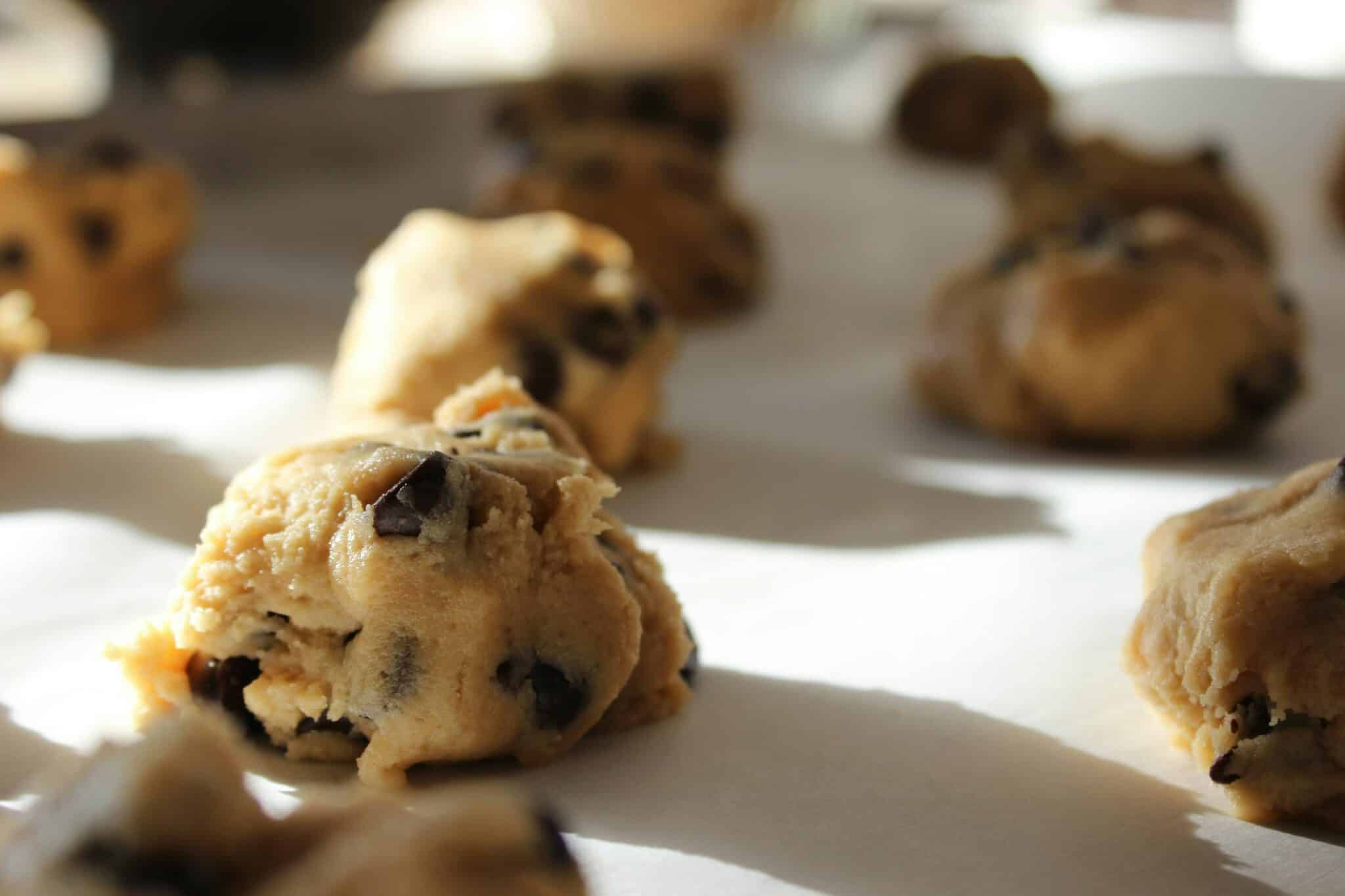

For many people, licking the spoon after mixing cookie dough is a cherished childhood memory. The creamy texture, sugary sweetness, and anticipation of warm cookies from the oven make raw cookie dough an irresistible temptation. However, food safety experts have long warned against eating raw dough. The risk isn’t just about raw eggs. Uncooked flour plays a dangerous role too. Understanding why both flour and eggs pose health hazards can help consumers make safer choices without sacrificing their love of baking.
The Allure of Raw Dough
Raw cookie dough is not just popular among children. Many adults admit to sneaking a bite or two during baking, and edible cookie dough products have even hit grocery store shelves in response to growing demand. However, traditional cookie dough recipes were never designed to be eaten raw. They contain ingredients that must be cooked to kill potentially harmful pathogens. While most people think only raw eggs are the problem, flour is an equally concerning risk.
The Egg Issue: Salmonella in the Spotlight
For decades, the primary concern around raw cookie dough centered on raw eggs. Eggs can carry Salmonella, a bacterium that can cause food poisoning. When hens lay eggs, bacteria from their intestinal tract can get inside the egg or contaminate the shell. Eating raw or undercooked eggs, especially those not pasteurized, can lead to infection.
Symptoms of Salmonella infection include diarrhea, abdominal cramps, fever, and vomiting. The illness can be particularly dangerous for young children, the elderly, pregnant women, and people with weakened immune systems. Though egg safety has improved with better farm practices and widespread refrigeration, the risk is not zero.
The Hidden Threat: Raw Flour and E. coli
Flour is often assumed to be safe because it’s dry and shelf-stable. However, raw flour is an agricultural product that has not been treated to kill harmful bacteria. It can become contaminated in the field, during harvest, in transport, or during packaging. One of the most concerning bacteria linked to flour is Escherichia coli (E. coli), which can cause serious illness.
In 2016 and 2019, outbreaks of E. coli linked to contaminated flour sickened dozens of people across the United States. These outbreaks led to massive flour recalls and increased awareness of the hidden dangers of consuming raw dough. The E. coli strain involved in these outbreaks caused symptoms ranging from stomach cramps and bloody diarrhea to kidney failure in severe cases.
What makes flour especially dangerous is that it is rarely cooked or treated before use. In baked goods, flour is rendered safe through the high heat of baking. But in raw cookie dough, flour remains untreated, providing a possible vehicle for foodborne pathogens.
Edible Cookie Dough: Is It Safer?
In response to consumer demand and health concerns, food companies have developed edible cookie dough made with treated flour and pasteurized eggs or no eggs at all. These products are labeled “safe to eat raw” and follow food safety standards to reduce the risk of illness.
Heat-treated flour undergoes a process that kills bacteria without altering taste or texture. Pasteurized eggs are heated just enough to kill pathogens without cooking the egg itself. When buying edible cookie dough, it’s important to read the label and confirm these steps have been taken.
Homemade edible cookie dough can also be made safely by using heat-treated flour (available online or by baking regular flour in the oven for a few minutes) and pasteurized eggs or egg substitutes. This allows consumers to enjoy the taste of raw dough without the risks.
What Do the Experts Say?
The Centers for Disease Control and Prevention (CDC) and the U.S. Food and Drug Administration (FDA) both advise against eating raw cookie dough made with traditional ingredients. Their warnings are based on solid evidence from multiple outbreaks and hospitalizations tied to uncooked flour and eggs.
Even if you’ve eaten raw dough before without getting sick, it doesn’t mean it’s safe. Foodborne pathogens don’t affect everyone the same way, and even a small amount of bacteria can cause severe illness in vulnerable individuals.
Safer Baking Habits
If you can’t resist sampling cookie dough, there are steps you can take to reduce the risks:
- Use pasteurized eggs or egg substitutes.
- Heat-treat flour in the oven at 350°F for about 5 minutes, stirring occasionally, before adding it to your dough.
- Buy commercial edible dough that is clearly labeled as safe to eat raw.
- Wash hands and surfaces thoroughly after handling raw ingredients.
These precautions are especially important if young children are involved in the baking process, as their immune systems are still developing.
Final Thoughts
Raw cookie dough might seem like a harmless indulgence, but the risks associated with eating uncooked flour and eggs are real. Salmonella and E. coli are serious pathogens that can turn a sweet treat into a health crisis. Thankfully, safe alternatives now exist that let you enjoy the dough without the danger.
As food safety awareness grows, so do the options for safe and satisfying indulgence. With a little caution and the right ingredients, cookie dough lovers can have their dough and eat it too.
