

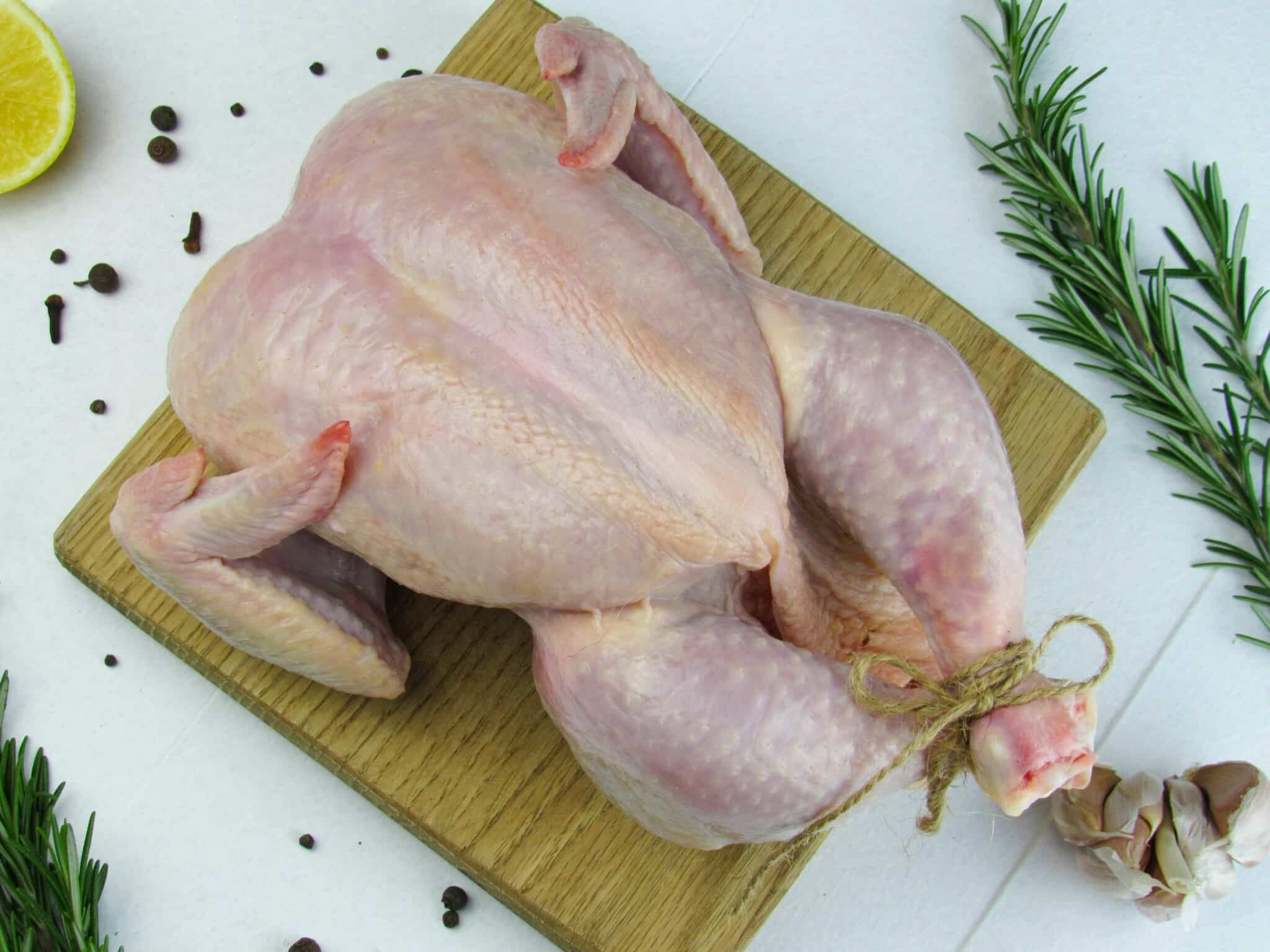

Should You Rinse Chicken? The Debate That Won’t Die—And What the Science Says
For generations, rinsing raw chicken under the faucet has been a common kitchen practice. Whether it’s to remove slime, blood, or simply as part of a cultural cooking tradition, many home cooks continue to wash their poultry before cooking. But in recent years, food safety experts have urged the public to abandon rinsing raw chicken altogether. So why does the debate still rage on, and what does the science actually say?
A Longstanding Kitchen Tradition
Many people rinse chicken out of habit or because it was how they were taught to cook. In some cultures, washing meat is considered a necessary step in preparing food, tied to hygiene, cleanliness, or religious customs. Some even believe that rinsing improves the texture or flavor of the final dish.
However, as our understanding of foodborne pathogens has evolved, so too has advice from health organizations. Agencies like the Centers for Disease Control and Prevention (CDC), the U.S. Department of Agriculture (USDA), and food safety researchers have consistently recommended against rinsing raw poultry.
What Happens When You Rinse Chicken?
The main concern is cross-contamination. When you rinse raw chicken under a faucet, water droplets containing bacteria like Salmonella or Campylobacter can splash onto surrounding surfaces, countertops, sinks, dish towels, utensils, or even nearby food. These droplets are nearly invisible but can carry enough bacteria to cause illness.
In fact, a study conducted by the USDA’s Food Safety and Inspection Service (FSIS) found that up to 60% of participants who rinsed raw poultry had contaminated their sinks afterward. Worse still, nearly 30% of those did not adequately clean or sanitize the sink after rinsing, leaving behind bacteria that could infect future food items or utensils.
The Bacteria Are Inside, Not Just Outside
One of the biggest misconceptions is that rinsing chicken removes bacteria. In truth, washing raw poultry with water does not kill pathogens. Salmonella and Campylobacter are deeply embedded in the meat and cannot be washed away. Only cooking chicken to a safe internal temperature of 165°F (74°C) destroys these harmful microbes.
Rinsing, therefore, gives a false sense of cleanliness. It may remove some surface slime or blood, but it doesn’t make the meat safer. In fact, it increases the risk of spreading bacteria throughout your kitchen.
So Why Do Some People Still Do It?
Despite clear recommendations, the practice persists for several reasons:
- Cultural Habits: In many communities, washing meat is standard practice, often passed down through generations.
- Misinformation Online: Social media and cooking blogs sometimes show chefs rinsing poultry, unintentionally reinforcing unsafe practices.
- Aesthetic Preferences: Some people find raw chicken unappetizing and believe rinsing makes it more appealing.
- Distrust of Industry: Some believe rinsing is necessary to remove processing residues or packaging fluids.
While these concerns are understandable, food safety experts agree that any visual impurities can be addressed by patting the meat dry with a paper towel (and then immediately discarding the towel and washing your hands), rather than rinsing it under running water.
Safe Practices for Handling Chicken
If you’re preparing raw chicken, follow these scientifically supported practices:
- Do not rinse poultry. Trust that proper cooking will eliminate pathogens.
- Use separate cutting boards and utensils for raw meat to avoid cross-contamination.
- Wash hands thoroughly with soap and warm water before and after handling raw poultry.
- Clean and sanitize all surfaces that come into contact with raw chicken, including countertops, cutting boards, and knives.
- Cook chicken to 165°F (74°C). Use a food thermometer to check the internal temperature, especially in thick cuts like breasts or thighs.
- Store raw chicken properly. Keep it refrigerated at or below 40°F (4°C) and use or freeze it within 1–2 days of purchase.
What About Vinegar or Lemon?
Some home cooks use vinegar, lemon juice, or saltwater to “clean” chicken before cooking. While these acidic or saline rinses may reduce surface bacteria to a small extent, they do not make the chicken safe to eat. These methods also carry the same risks of splashing and spreading germs. Again, cooking to a safe internal temperature remains the only reliable way to destroy foodborne pathogens.
Final Verdict: Don’t Rinse
The science is clear: do not rinse raw chicken. It’s an outdated practice that poses more risk than benefit. While it may be difficult to break a long-standing habit, changing this one behavior can significantly reduce your risk of foodborne illness. Food safety starts in your kitchen, and it begins with making informed choices based on evidence, not tradition.
So the next time you reach for that raw chicken, skip the rinse, trust the heat, and keep your kitchen safe.
