

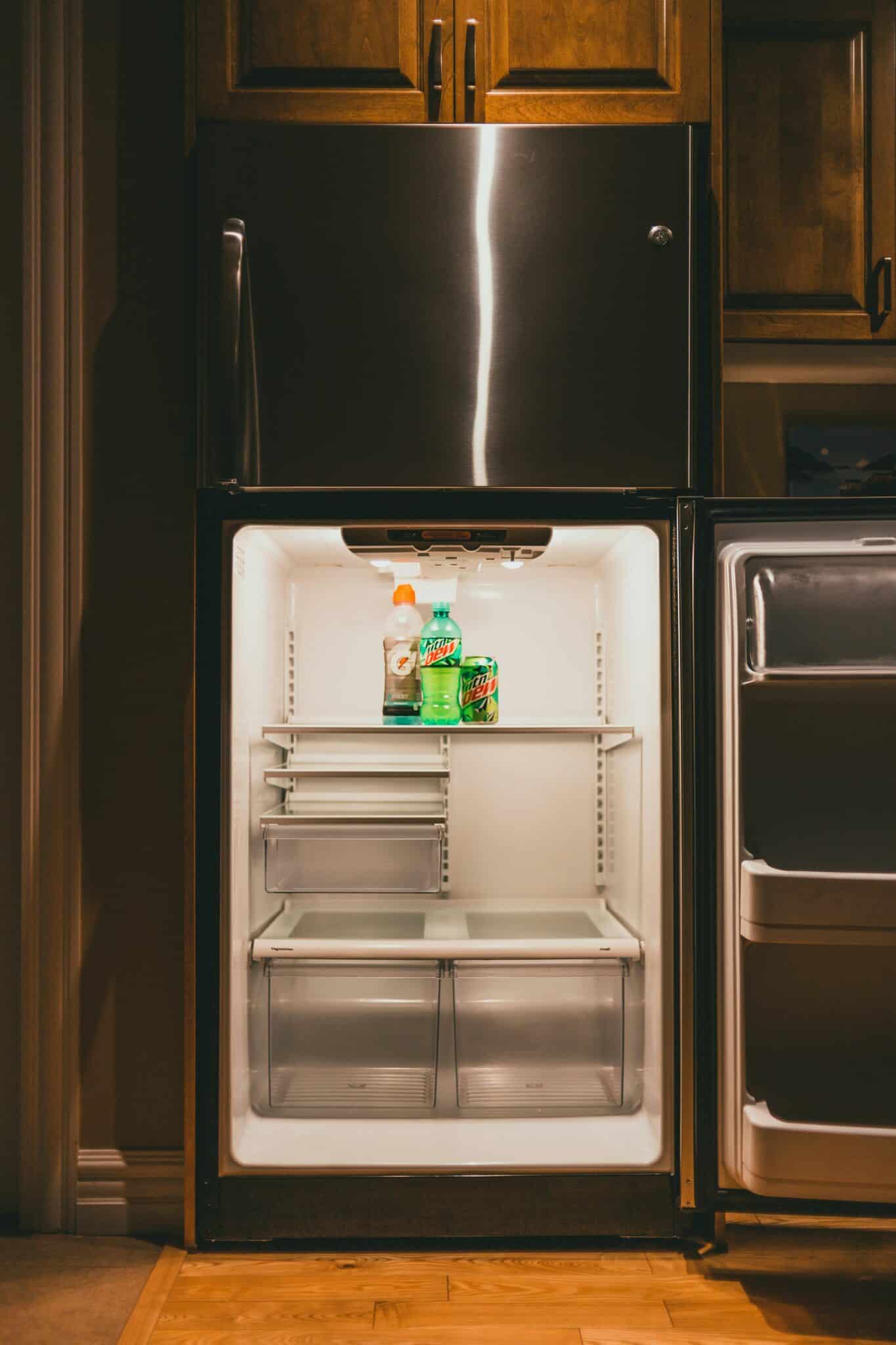

Refrigerators have come a long way from simple cooling boxes. Today’s high-tech smart fridges boast features like touchscreens, internal cameras, inventory tracking, and even voice control. They promise convenience, efficiency, and enhanced food safety, but do they truly deliver? Or are they just an expensive appliance wrapped in marketing hype?
What Makes a Fridge “Smart”?
A smart refrigerator typically includes some or all of the following features:
- Wi-Fi connectivity
- Touchscreen interface
- Internal cameras to view contents without opening the door
- Expiration date tracking
- Temperature monitoring and alerts
- Integration with grocery apps or voice assistants
These functions are designed to improve user experience and reduce food waste, but do they actually make your food safer?
Where Smart Fridges Can Help
1. Temperature Control and Alerts
One of the most important elements of food safety is maintaining a safe internal temperature—below 40°F (4°C) for the fridge and 0°F (-18°C) for the freezer. Many smart fridges monitor temperature constantly and send alerts if the door is left open or the internal temperature rises.
Why it’s helpful:
Foodborne pathogens like Salmonella, Listeria, and E. coli thrive in the “danger zone” (40°F–140°F). A delay in noticing a power outage or open door could mean spoiled food. Real-time alerts give you a chance to intervene quickly.
2. Inventory and Expiration Tracking
Some smart fridges allow users to log foods and track their expiration dates. Others go a step further with barcode scanning or AI-assisted tracking via internal cameras.
Why it’s helpful:
By reminding you when items are expiring, the fridge can help reduce the risk of accidentally eating spoiled or contaminated food. It also reduces waste, a win for both your wallet and the planet.
3. Door Open Notifications
Left the fridge open after rushing out for work? Smart fridges can alert your phone and even close soft-close doors automatically on some models.
Why it’s helpful:
A door left open for even 30 minutes can raise the temperature enough for bacteria to multiply. Getting a timely nudge can save the contents and potentially prevent illness.
4. Filtered Water and Ice Monitoring
Some smart fridges monitor water filter status and alert users when it’s time for a replacement.
Why it’s helpful:
Old or clogged filters can harbor bacteria or mold and degrade water quality. Staying on top of maintenance helps ensure that your drinking water and ice stay clean.
Where the Hype May Fall Short
1. Food Recognition Still Isn’t Perfect
Despite advances in AI and camera tech, most smart fridges still struggle to accurately identify food items, especially if they’re in opaque containers or packaging. This limits the usefulness of automatic inventory features.
Why it’s problematic:
If you’re relying on your fridge to tell you when that yogurt is about to expire, but it doesn’t even recognize it’s there, the feature becomes more novelty than safety.
2. You Still Need to Handle Food Safely
No fridge, smart or not, can fix human error. If you put hot leftovers directly into the fridge, leave cooked food on the counter too long, or ignore hand hygiene, a smart fridge won’t stop bacteria from growing.
Reality check:
Food safety starts with behavior. Smart appliances may assist, but they don’t replace good habits like washing produce, separating raw meats, and storing leftovers promptly.
3. High Price, Modest Benefit
Smart fridges can cost hundreds to thousands more than traditional models. For some, the price tag outweighs the practical benefits.
Is it worth it?
If your main concern is food safety, you can achieve the same outcomes by using a reliable thermometer, maintaining cleanliness, and following food safety guidelines, without needing a touchscreen.
Features That Would Be Game-Changers
While current smart fridge models offer some food safety tools, the future could bring even more meaningful advances:
- Real-time spoilage detection using chemical sensors
- Automatic recalls alerts linked to UPC scans
- Touchless drawer access to reduce cross-contamination
- Nutritional analysis based on fridge contents
If and when these innovations hit the market, smart fridges could become a more essential food safety tool rather than a luxury.
Smart Fridge or Not, These Safety Tips Still Matter
Regardless of your fridge’s IQ, always follow these basics:
- Keep fridge temps at 40°F or lower
- Don’t overcrowd, air needs to circulate
- Store raw meats on the bottom shelf to prevent drips
- Use leftovers within 3–4 days
- Clean shelves and bins regularly
Final Note
Smart fridges offer genuinely useful features, especially when it comes to maintaining proper temperature and reducing waste. But they’re not a replacement for food safety education or common sense.
If you love tech, enjoy gadgets, and want a more connected kitchen, a smart fridge may be worth the investment. But if your goal is purely to avoid foodborne illness, a basic fridge with a thermometer, good storage habits, and regular cleanings will serve you just as well, at a fraction of the cost.
Ultimately, food safety isn’t just about smarter appliances. It’s about smarter choices.
