


When it comes to enjoying a crispy, salty snack like chips, most people don’t think twice about how they’re served. However, the difference between individual snack bags and communal bowls of chips can have significant implications, especially when it comes to hygiene and food safety. In environments like schools, workplaces, parties, and family gatherings, the way chips are served could determine whether you’re sharing a good time or spreading illness.
The Hygiene Advantage of Individual Snack Bags
Individual snack bags are often seen as more convenient, especially for lunches, travel, or portion control. But one of their most important benefits is their hygienic advantage. When someone opens their own pre-packaged bag of chips, they are the only person touching the food inside. This minimizes the risk of cross-contamination, especially in settings where people are handling shared objects, such as doorknobs, phones, or other food.
In public health terms, limiting direct contact with food that others will consume is a critical method for preventing the spread of viruses and bacteria. Illnesses such as norovirus, the flu, and even the common cold can easily be transmitted by hand-to-mouth contact. According to the Centers for Disease Control and Prevention (CDC), norovirus alone causes approximately 19 to 21 million illnesses in the U.S. each year, and is often spread through contaminated food handled by someone who is infected.
By eliminating shared contact points, individual snack bags reduce these transmission risks significantly. They are particularly useful in school settings where young children may not yet practice good hygiene habits, or in healthcare environments where vulnerable populations are at higher risk.
Communal Chip Bowls: A Hidden Germ Hub
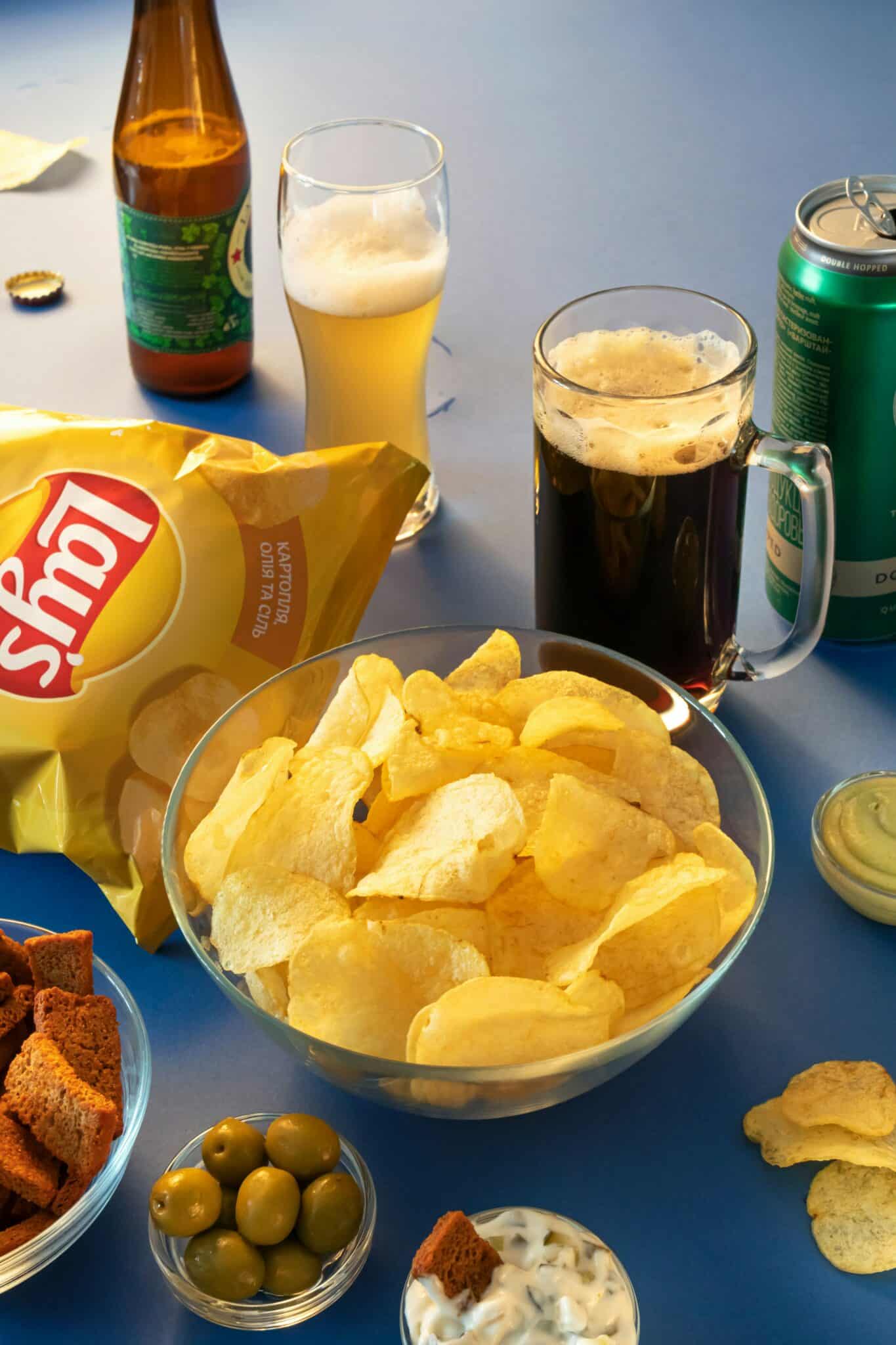
In contrast, bowls of chips, common at social events like barbecues, Super Bowl parties, or casual get-togethers, present a different hygiene profile. People tend to reach into the same bowl multiple times, often after touching phones, drinking glasses, or shaking hands. Double-dipping, accidental sneezing, and licking fingers are all behaviors that increase the chances of food becoming contaminated.
Even in seemingly clean environments, the number of hands dipping into a bowl adds up. A 2015 study published in the Journal of Food Research examined bacterial transfer during communal food sharing and found significant microbial contamination occurred in dishes that were shared among multiple people. Chips in a bowl are especially risky because they are dry and don’t show visible signs of contamination like wet foods might.
While many people assume a clean-looking chip bowl is safe, invisible pathogens can still be present. Shared food surfaces are often a blind spot in food safety, especially when there’s no immediate sign of illness or contamination.
Psychological Impact and Risk Perception
There’s also a psychological element at play. When eating from a shared bowl, people may not consider how many others have touched the food, or whether those people have recently washed their hands. Social norms often prevent individuals from declining food or raising concerns about hygiene in group settings, even when they feel uncomfortable.
Snack bags, by contrast, send a clear message of personal ownership. They reinforce boundaries and reduce the anxiety that some individuals feel about eating shared food. In post-pandemic times, many people remain cautious about hygiene and appreciate when individual servings are available.
Environmental and Cost Considerations
While snack bags offer a hygienic edge, they do come with downsides, namely cost and environmental waste. Individually wrapped snacks are often more expensive per ounce than buying chips in bulk. Additionally, the packaging contributes to plastic waste, which is an increasing environmental concern.
For those trying to balance hygiene with sustainability, a practical solution is to buy chips in bulk and portion them out into reusable containers or compostable paper bags. This reduces both cross-contamination risk and waste while still providing convenient individual servings.
Best Practices for Safe Snacking
For events or gatherings where bowls of chips are inevitable, there are safer ways to present them:
- Use tongs or spoons instead of hands to serve chips.
- Offer individual cups or napkins so guests can take a portion instead of eating directly from the bowl.
- Encourage hand washing before eating, especially when food is shared.
- Monitor for double-dipping or sneezing near food and politely address it if needed.
Meanwhile, schools, offices, and health-conscious venues should continue to prioritize individually packaged snacks, especially when serving at-risk populations such as children, the elderly, or the immunocompromised.
Final Note
Though they may seem similar at first glance, snack bags and bowls of chips offer very different hygiene experiences. While bowls of chips encourage social sharing and reduce packaging waste, they also significantly increase the risk of foodborne illness and contamination. Snack bags provide a more sanitary, controlled alternative, especially important in group settings or during outbreaks of illness.
As we continue to become more conscious of public health and personal hygiene, rethinking how we serve and consume even simple snacks like chips is an easy yet impactful way to protect ourselves and others. Whether you’re planning a party or packing a lunch, choosing the cleaner option could help prevent the spread of illness and make your next snack a healthier one in more ways than one.
