

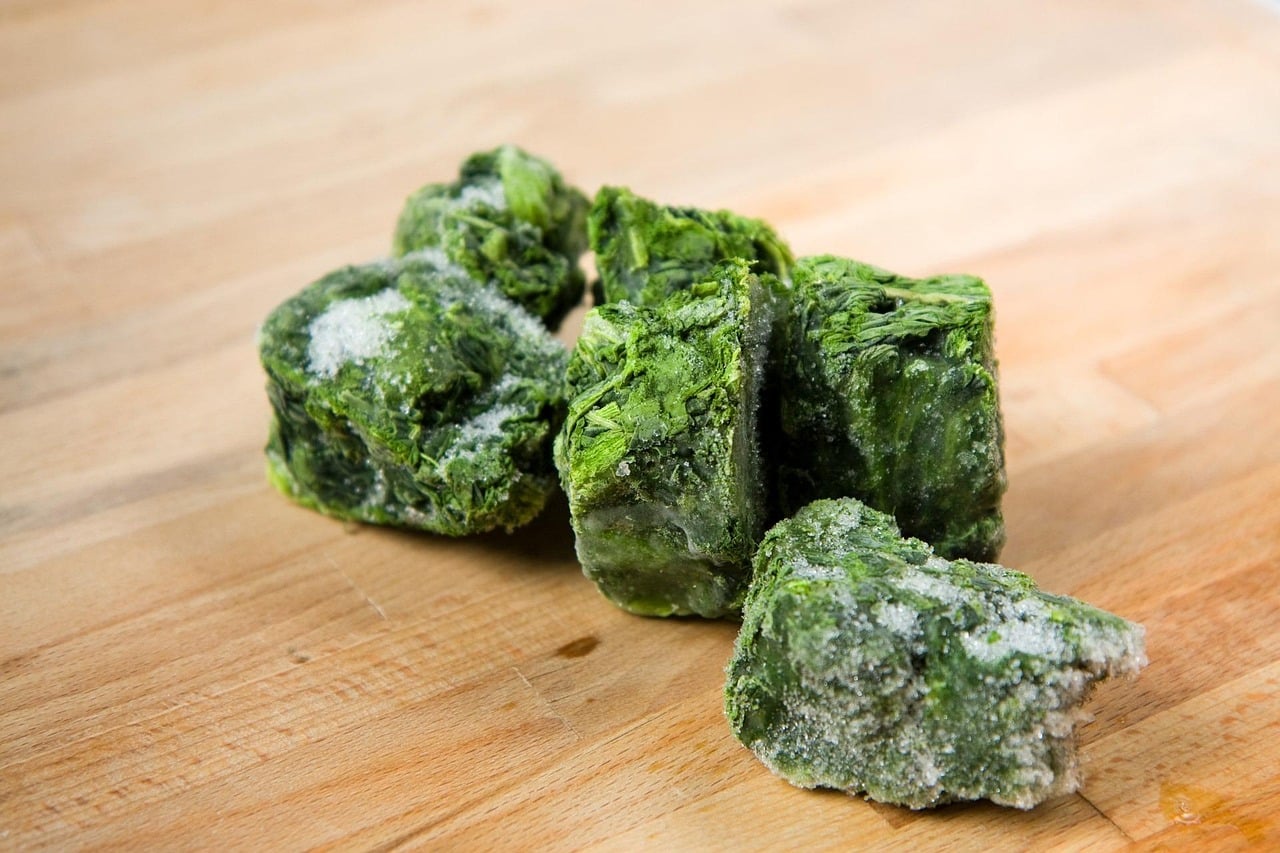

Sno Pac Foods Recalls Del Mar 35 lb Bulk Frozen Spinach and 10 oz Organic Frozen Cut Spinach: What You Need to Know
On October 6, 2025, the U.S. Food & Drug Administration (FDA) announced a nationwide recall by Sno Pac Foods, Inc. of two frozen spinach products: Del Mar 35-pound Bulk Organic Frozen Spinach and Sno Pac 10-ounce Organic Frozen Cut Spinach, due to possible contamination with Listeria monocytogenes.
According to the FDA recall notice, a bulk case of Del Mar spinach from the company’s supplier tested positive for Listeria, and that lot code was traced to repackaged 10-oz spinach products. The recalled products were distributed across the U.S. via retail stores and distributors.
At the time of the recall announcement, no illnesses had been reported in connection with these products. Sno Pac has suspended production of the affected spinach lines while investigating the contamination source.
This recall has drawn attention not only because of Listeria’s danger in refrigerated products but also because spinach is widely used in salads, smoothies, cooked dishes, and blended foods. The risk is especially serious for pregnant women, older adults, and immunocompromised individuals.
Here’s a detailed breakdown of the recalled items:
| Product | Package Format/Size | Lot Codes | Expiration/Best-By Dates |
| Del Mar Bulk Organic Frozen Spinach | 35 lb box | 250107A, 250107B, 250107C, 250107D, 2501071, 2501073 | Jan. 7, 2027 |
| Sno Pac Organic Frozen Cut Spinach | 10 oz retail bags | SPM1.190.5, SPC1.160.5, SPC2.160.5, SPM1.097.5 | July 9, 2027; June 9, 2027; June 9, 2027; April 7, 2027 |
Because the bulk spinach lot that tested positive was used to repackage the 10-oz products, the recall spans both formats. Consumers and distributors nationwide should check freezers. Retailers and distributors are instructed to remove the affected products from sale and distribution, and consumers are advised not to consume them.
Why This Matters: Listeria, Refrigerated Foods, and Spinach
Listeria monocytogenes is a bacterium that can cause listeriosis, a serious foodborne disease. Its distinguishing danger is its ability to grow at refrigeration temperatures, unlike many other pathogens that require warmer conditions. This gives it a unique advantage in chilled foods, especially those stored over time.
In otherwise healthy people, listeriosis may produce mild, flu-like symptoms (fever, muscle aches, nausea, diarrhea). In vulnerable populations, however, Listeria can invade the bloodstream or central nervous system, causing meningitis, sepsis, and, in pregnant individuals, miscarriage, stillbirth, or neonatal infection.
Because spinach and leafy greens are often eaten raw or lightly cooked, any contamination that survives processing or packaging can pose significant risk, especially when the product remains refrigerated for extended periods.
Spinach and other leafy greens have been implicated in numerous outbreaks. While many of these involve E. coli or Salmonella, the repeated recalls of spinach for Listeria show that fresh and frozen greens share common vulnerabilities: exposure to contaminated water, handling during harvest and packaging, and equipment in processing facilities.
Comparison with Recent Related Events
This recall connects with other recent events that underscore a pattern of Listeria risk in refrigerated and frozen foods:
- HelloFresh / FreshRealm alert (October 2025): The USDA issued a public health alert after spinach used in HelloFresh meal kits tested positive for Listeria, supplied by Sno Pac/Del Mar.
- Fresh & Ready Foods RTE meals outbreak (2025): Prepared meals linked to Listeria infections in hospitals and healthcare settings prompted a multi-agency investigation.
- Other spinach recalls: Media reports show that the Sno Pac recall is part of a wave of frozen spinach recalls nationwide.
These events suggest that Listeria contamination in spinach supply chains is an emerging focus. In fact, many recall bulletins now cross-reference linked suppliers, repackaging pathways, and shared distribution networks.
Consumer Safety: What to Do If You Have the Recalled Spinach
If you or your business (restaurant, cafeteria, food processor) holds the affected spinach, follow these steps:
- Do not consume it. Discard the product in a sealed bag or return it to the place of purchase for a refund.
- Isolate and mark it. Prevent accidental use while other items in the freezer remain untouched.
- Clean and sanitize. Any surfaces, trays, utensils, or containers that came into contact with the spinach must be cleaned thoroughly and sanitized. Using a dilute bleach solution or commercial sanitizers effective against Listeria is recommended.
- Monitor health symptoms. If anyone in your household (especially pregnant, elderly, or immunocompromised individuals) consumed the spinach, monitor for fever, muscle aches, nausea, or signs of invasive infection. Contact a healthcare provider if symptoms appear.
- Stay alert for updates. FDA, Sno Pac, and public health authorities may expand the recall or issue more information as investigation unfolds.
Why No Illnesses Yet Does Not Mean Safety
While FDA’s recall notice states that “No illnesses have been reported to date in connection with this problem,” several factors caution against assuming safety:
- Long incubation period: Listeriosis can incubate for up to 70 days, depending on dose and host factors.
- Underreporting and delays: Many mild Listeria cases go undiagnosed or misattributed.
- Distribution breadth: Because the spinach was widely distributed across retail and wholesale channels, even a few incidents could emerge over weeks or months.
The absence of confirmed illness today does not preclude cases appearing later, especially in vulnerable individuals.
The Recall’s Supply Chain and Traceback Challenges
One complicating factor in this recall is the supplier linkage. The positive test was identified in a bulk case from Sno Pac’s supplier. That suggests contamination occurred upstream (e.g., at a grower, frozen processing plant, or repack facility) rather than within Sno Pac’s own infrastructure.
According to the national food poisoning lawyer, Tony Coveny, “tracing the contamination pathway will require reviewing upstream audits, supplier testing records, environmental swabs, and distribution logs. Because spinach is handled at multiple stages, harvesting, washing, blanching, freezing, shipping, repacking, each step must be scrutinized.”
Sno Pac has suspended affected production lines while investigation proceeds. In many past recalls, facility shutdowns and process overhaul (e.g., redesigning drainage, improving airflow, revising sanitation protocols) follow once contamination sites are identified.
Risks: Who Is Most Vulnerable?
While Listeria infections can affect healthy individuals, the severity is greatest in certain vulnerable groups (CDC.gov):
- Pregnant women and fetuses/newborns – even mild maternal infection may lead to fetal loss, stillbirth, or neonatal disease.
- Older adults (65+) – more likely to develop invasive disease (meningitis, sepsis).
- Immunocompromised persons – including those with cancer, organ transplants, HIV, or on immunosuppressants.
- Infants and young children – particularly if congenital exposure or neonatal infection occurs.
Given the products recalled, spinach, often used raw or lightly cooked, the risk is particularly relevant for salad eaters, smoothie users, and households that skip cooking steps.
Analysis & Next Steps
What’s new:
The FDA has confirmed a nationwide recall of Del Mar Bulk 35 lb Organic Frozen Spinach and Sno Pac 10-oz Organic Frozen Cut Spinach for possible Listeria monocytogenes contamination. The recall stems from a supplier’s positive test in a bulk case that traced to repackaged consumer units. No illnesses have been confirmed yet.
Why it matters:
This recall highlights that refrigeration alone does not guarantee safety. Listeria can grow slowly under cold conditions. Because spinach is a staple in many diets, and used in raw or minimally cooked forms, the recall has broad implications. It also underscores systemic risk in fresh produce supply chains where contamination upstream can reach consumers via repackaging pathways.
Who’s affected:
Consumers nationwide who purchased the specific lot codes of the recalled spinach are at risk. Restaurants, schools, food processors, and distributors using bulk spinach are also affected. High-risk individuals, pregnant women, elderly, immunocompromised, face the greatest danger if they consumed contaminated spinach, especially raw.
What to do now:
- Consumers: Immediately remove the recalled products, discard or return them, sanitize surfaces and freezer areas, and monitor for symptoms.
- Retailers/distributors: Quarantine and pull affected products, cooperate with FDA tracebacks, inspect supply chains, and stop distributing until safety is confirmed.
- Regulators & public health authorities: Conduct detailed traceback investigation, perform environmental sampling upstream, issue updates or expanded recalls if needed, and communicate clearly with the public to prevent panic.
- Industry: Reevaluate supplier audit protocols, increase frequency of environmental swabbing, review sanitation and facility design (especially drainage, airflow, and equipment maintenance), and consider more conservative lot release testing.
Final Note
The Sno Pac/Del Mar spinach recall showcases how a single contaminated supplier lot can ripple through distribution networks and reach consumer sights. While no illnesses have yet been linked, the biological tools and historical precedent warn that Listeria outbreaks often lag recalls.
Consumers, especially those in vulnerable groups, should treat this recall seriously: discard or return affected products, sanitize freezer and kitchen surfaces, and be alert to symptoms. Meanwhile, the ongoing investigation will test whether upstream controls were flawed, or whether the contamination was a rare anomaly.
In the end, this event underscores a key truth of food safety: even foods deemed “low risk” like frozen spinach require careful oversight and prompt action when contamination is detected. Vigilance, transparency, and strong corrective action are the best defenses against invisible but lethal microbial threats.
