
Close Menu
  • Food Poisoning
    • Symptoms
    • Prevention
    • Treatment
    • Causes
  • Pathogens
    • Botulism
    • Campylobacter
    • E. coli
    • Cyclospora
    • Norovirus
    • Hepatitis A
    • Salmonella
    • Listeria
    • Shigella
  • Food Safety
    • How to wash your hands
    • Food Safty And The Holidays
  • Legal
    • Can I sue for Food Poisoning?
    • E. coli Lawyer
      • E. coli Lawsuit
    • Salmonella Lawyer
      • Salmonella Lawsuit
    • Botulism Lawyer
    • Cyclospora Lawyer
    • Shigella Lawyer
    • Hepatitis A Lawyer
  • Outbreaks and Recalls
  • Connect With A Lawyer
What's Hot

Five Lesser-Known Foodborne Pathogens That Demand Your Attention

April 29, 2026

Hepatitis A and the Global Berry Trade

April 22, 2026

Salmonella: The Most Common Strains and Everything You Need to Know

April 21, 2026
Facebook X (Twitter) Instagram
Facebook X (Twitter) YouTube
  • About
  • Contact Us
Food Poisoning NewsFood Poisoning News
  • Home
  • Food Poisoning
    • What is Food Poisoning?
      • Symptoms
      • Causes
      • Prevention
      • Treatment
      • Statistics
    • Pathogens
      • Botulism
      • Campylobacter
      • E. coli
      • Hepatitis A
      • Shigella
      • Norovirus
      • Salmonella
      • Cyclospora
      • Listeria
  • Food Safety
    • How to wash your hands
    • Food Safty And The Holidays
  • Legal
    • Salmonella Lawyer
      • Salmonella Lawsuit
    • E. coli Lawyer
      • E. coli Lawsuit
    • Cyclospora Lawyer
    • Shigella Lawyer
    • Hepatitis A Lawyer
    • Botulism Lawyer
  • Outbreaks and Recalls
Food Poisoning NewsFood Poisoning News
Home»Helpful Articles»Some Uncommon Sources of Food Poisoning
Some Uncommon Sources of Food Poisoning
Helpful Articles

Some Uncommon Sources of Food Poisoning

Kit RedwineBy Kit RedwineJune 11, 2025No Comments3 Mins Read
Share
Facebook Twitter LinkedIn Pinterest Email Reddit

While undercooked poultry and raw eggs are well-known food poisoning risks, several unexpected foods have caused significant outbreaks due to their unique contamination pathways.  

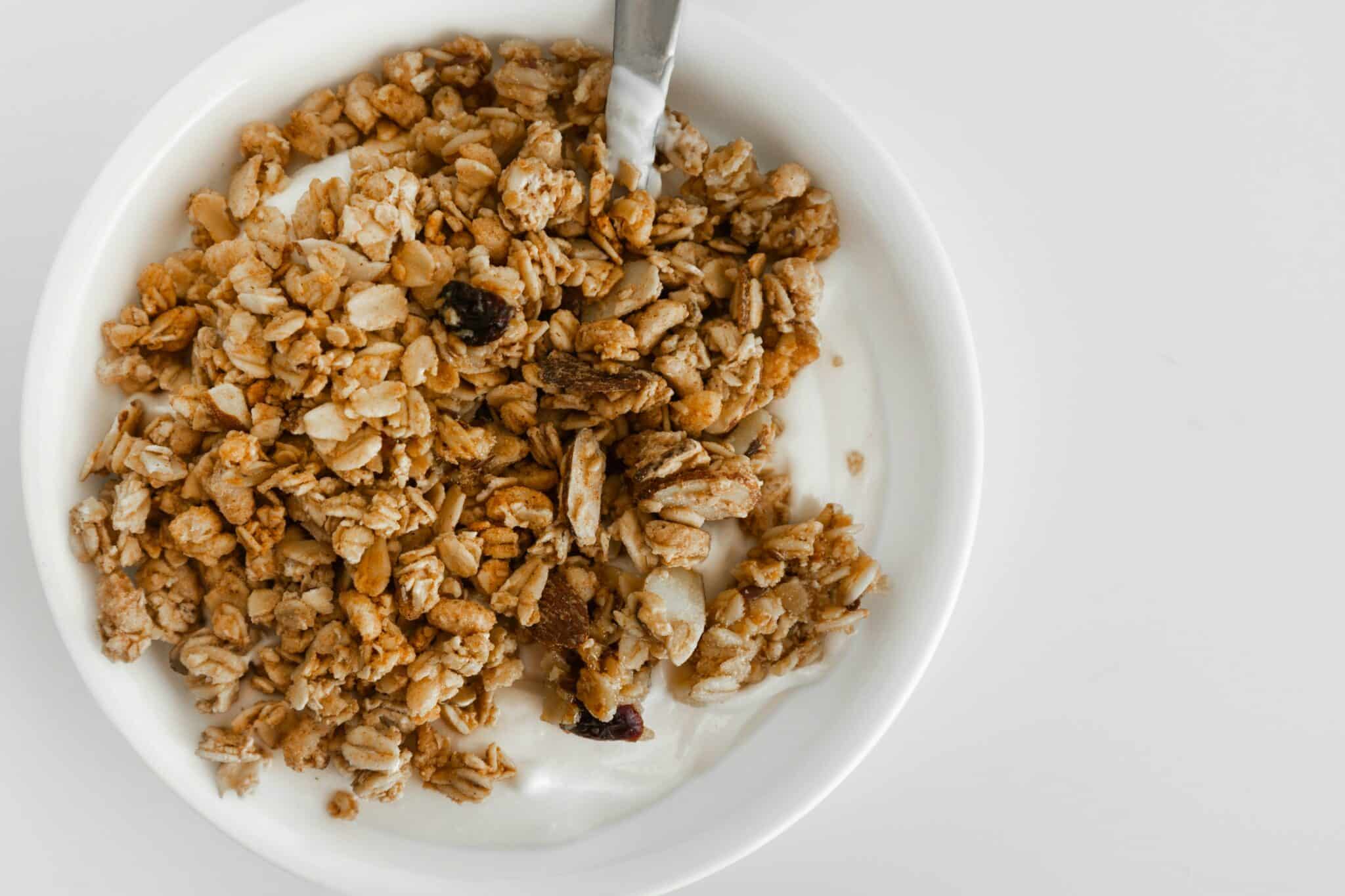
Cereal and Granola  

Dry cereals—often perceived as low-risk due to their low moisture content—can harbor Salmonella from contaminated raw grains. In 2018, Kellogg’s Honey Smacks cereal caused a multistate outbreak traced to a single manufacturing facility where Salmonella survived in dry wheat. The bacteria persisted through processing, sickening 136 people across 36 states. This highlights how pathogens can survive in low-water-activity foods.   

Ice Cream  

Listeria monocytogenes thrives in cold temperatures, making ice cream an unlikely vector. A 2015 outbreak linked to a major brand originated from contaminated equipment in a production facility. Unlike many bacteria, Listeria multiplies in freezing conditions, posing particular risks to pregnant individuals and immunocompromised consumers.   

Flour  

Raw flour is an agricultural product that typically receives no kill-step before packaging. E. coli and Salmonella from field contamination (e.g., animal feces or tainted irrigation water) can survive for months in dry flour. In 2016, contaminated flour led to illnesses from consuming raw dough or batter, with some strains causing hemolytic uremic syndrome.   

Tahini and Sesame Products  

The high fat content (57–65%) and low water activity of tahini allow Salmonella to persist for years without growing. Outbreaks linked to sesame paste have spanned multiple countries, with contamination occurring during seed harvesting or roasting. Crucially, the fat matrix protects ingested bacteria from stomach acid, reducing the infectious dose to < 100 cells.   

Pre-Cut Melon  

Processing operations introduce risks for ready-to-eat fruits. In 2018, pre-cut melon caused a Salmonella outbreak across multiple states due to contamination from equipment or handlers at a single facility. The moist, nutrient-rich flesh of cut melons enables rapid bacterial growth if improperly refrigerated.   

Raw Sprouts  

Sprouting seeds require warm, humid conditions, ideal for bacterial amplification. Alfalfa, mung bean, and clover sprouts have caused over 50 outbreaks since 1996, primarily from E. coli and Salmonella. Seeds contaminated during growth can reach infectious levels within 5 days of sprouting.   

Deli Meats and Hot Dogs  

Listeria contaminates processing equipment and survives refrigeration. Sliced deli turkey caused three major outbreaks before 2002, with the bacteria persisting in factory niches for years. A 2024 outbreak linked to Boar’s Head sliced deli meats resulted in 60 hospitalizations and 10 deaths in the United States. Unlike many pathogens, Listeria grows at 40°F (4°C), making refrigerated storage insufficient for risk mitigation.   

Unpasteurized Dairy  

Raw milk and soft cheeses (e.g., queso fresco) bypass the kill-step of pasteurization, allowing Campylobacter, Cryptosporidium, and Listeria to persist. Unpasteurized dairy causes 840 times more illnesses than pasteurized equivalents, with particular risks for children and pregnant individuals.   

These cases once again stress that food safety requires continual awareness beyond conventional high-risk categories, emphasizing the need for rigorous manufacturing controls and consumer awareness of lesser-known hazards. 

Share. Facebook Twitter Pinterest LinkedIn Tumblr Email
Avatar photo
Kit Redwine

Related Posts

Organic Foods and Risk of Food Poisoning: What the Evidence Actually Says

April 21, 2026

Socio-Behavioral Risk Factors in Vulnerable Groups: Why Food Poisoning Isn’t Just About the Food

April 21, 2026

The Necessity of Preparedness in Foodborne Outbreaks — Planning for Manufacturers and Distributors

April 10, 2026

How to Build Lasting Healthy Habits to Fight Obesity and Boost Wellness

March 13, 2026
Add A Comment
Leave A Reply Cancel Reply

Attorney Advertisement
Ron Simon

Subscribe to Updates

Get the latest food safety recall, outbreak, & investigation news.

Latest Posts

Five Lesser-Known Foodborne Pathogens That Demand Your Attention

April 29, 2026

Hepatitis A and the Global Berry Trade

April 22, 2026

Salmonella: The Most Common Strains and Everything You Need to Know

April 21, 2026

Food Poisoning News is a website devoted to providing you with the most current information on food safety, dangerous pathogens, food poisoning outbreaks and outbreak prevention, and food poisoning litigation.

We're social. Connect with us:

Facebook X (Twitter) YouTube
Latest Posts

Five Lesser-Known Foodborne Pathogens That Demand Your Attention

April 29, 2026

Hepatitis A and the Global Berry Trade

April 22, 2026

Salmonella: The Most Common Strains and Everything You Need to Know

April 21, 2026
Get Informed

Subscribe to Updates

Get the latest food safety recall, outbreak, & investigation news.

Facebook X (Twitter) YouTube
  • Home
© 2026 Food Poisoning News. Sponsored by Ron Simon & Associates a Houston, TX law firm. Powered by ArmaVita.
Our website and content are for informational purposes only. Food Poisoning News does not provide legal advice, medical advice, diagnosis, or treatment.

Type above and press Enter to search. Press Esc to cancel.