

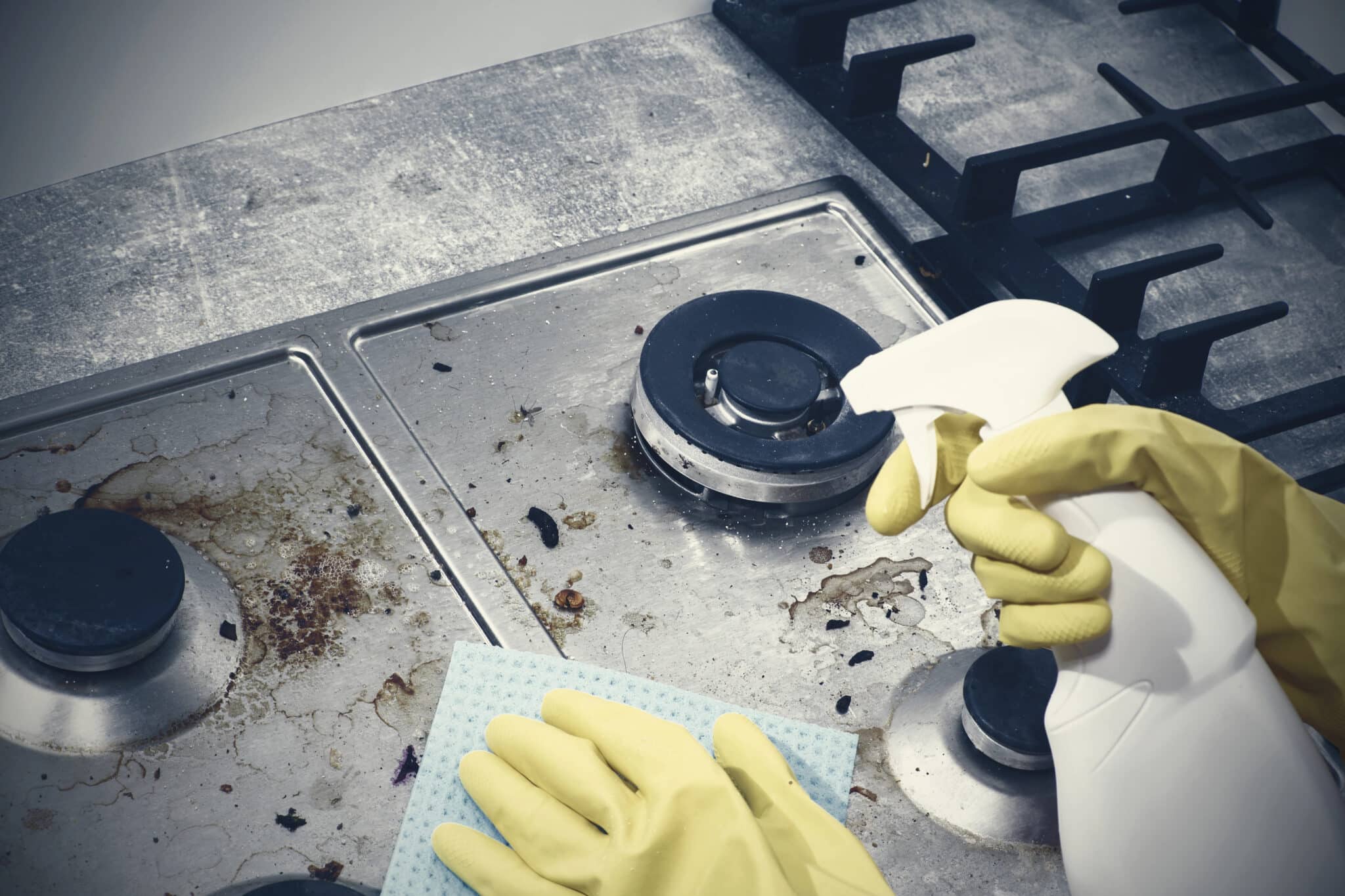

The 10 Most Common Unhygienic Kitchen Mistakes Everyone Makes
The kitchen is the heart of the home, a place where families gather, meals are prepared, and traditions are shared. While it should be the cleanest area of a household, kitchens often harbor bacteria, viruses, and other pathogens that increase the risk of foodborne illness. Many people unknowingly make small mistakes in daily food preparation that compromise hygiene. Recognizing and correcting these errors can significantly reduce the risk of contamination.
1. Neglecting Handwashing
The most basic yet most overlooked mistake is failing to wash hands properly. Rinsing briefly under water is not enough. Proper handwashing requires warm water, soap, and at least 20 seconds of scrubbing, especially after handling raw meat, eggs, or dirty dishes. Skipping this step transfers germs to surfaces, utensils, and food.
2. Using the Same Cutting Board for Everything
Cutting boards can become breeding grounds for bacteria. Using one board for both raw meats and fresh produce creates a high risk of cross-contamination. Separate boards should be designated for meat, poultry, seafood, and fresh items like vegetables and fruit. Plastic boards that can go in the dishwasher are often easier to sanitize than wooden boards.
3. Forgetting to Sanitize Sponges and Dishcloths
Sponges and cloths are among the dirtiest items in the kitchen. They hold moisture and bits of food, creating the perfect environment for bacteria to thrive. Simply rinsing them is not enough. Sponges should be microwaved for a minute, run through the dishwasher, or replaced frequently. Cloths should be washed with hot water and detergent after each use.
4. Leaving Leftovers Out Too Long
Many people leave food sitting on the counter after meals, forgetting the danger of the “danger zone” temperatures between 40°F and 140°F. Bacteria multiply quickly in this range, and food left out for more than two hours can become unsafe. Leftovers should be refrigerated promptly in shallow containers to cool quickly.
5. Storing Raw Meat Above Ready to Eat Foods
Placing raw chicken or beef on a shelf above produce, bread, or leftovers is a recipe for contamination. Juices can drip onto items that will not be cooked again, spreading pathogens like Salmonella or E. coli. Raw meat should always be stored on the bottom shelf of the refrigerator in sealed containers.
6. Tasting Food to Check if It Has Spoiled
A common mistake is tasting food to see if it is still good. By the time food has developed an off taste, smell, or appearance, harmful bacteria may already be present. Some bacteria do not change the way food looks or smells. Trusting senses alone is risky. Checking expiration dates and storing food properly are safer strategies.
7. Not Washing Produce Properly
Even pre-washed lettuce or bagged salads can harbor bacteria. Rinsing under running water while rubbing the surface is essential. For firm produce like cucumbers or melons, using a clean brush can remove additional dirt and microorganisms. Peeling fruits and vegetables after washing can add another layer of safety.
8. Overstuffing the Refrigerator
A crowded refrigerator cannot circulate cold air effectively. Uneven cooling creates warm spots where bacteria can grow. Overfilling also makes it difficult to keep track of food, leading to forgotten items that spoil and increase the risk of cross-contamination. Keeping the refrigerator organized and not exceeding its storage capacity improves both safety and efficiency.
9. Using Dirty or Damaged Utensils
Knives, spatulas, and spoons with cracks or worn surfaces can trap bacteria. Wooden utensils that are cracked or warped should be discarded. Using dirty utensils between different tasks, such as stirring cooked pasta and then raw sauce, also spreads contamination. Washing thoroughly between uses is essential.
10. Ignoring Appliance Maintenance
Appliances such as microwaves, blenders, and coffee makers often go uncleaned. Food splatters left in microwaves or coffee maker reservoirs that are not descaled can harbor bacteria and mold. Regular deep cleaning of these machines is critical for maintaining hygiene. Following manufacturer instructions for cleaning ensures safety and longevity.
Building Better Kitchen Habits
Avoiding these mistakes does not require major lifestyle changes. Small adjustments such as assigning specific cutting boards, washing hands consistently, and keeping the refrigerator organized can greatly reduce risks. Proper storage, cleaning routines, and awareness of food safety guidelines create a healthier kitchen environment.
Conclusion
The kitchen should be a place of nourishment and safety, yet small lapses in hygiene can undermine both. Common mistakes such as leaving leftovers out, reusing dirty sponges, or improperly storing food contribute to contamination risks. By being mindful of these issues and developing stronger habits, households can safeguard their families from foodborne illness while still enjoying the pleasures of home-cooked meals. Cleanliness and organization are as essential to good cooking as the ingredients themselves.
