

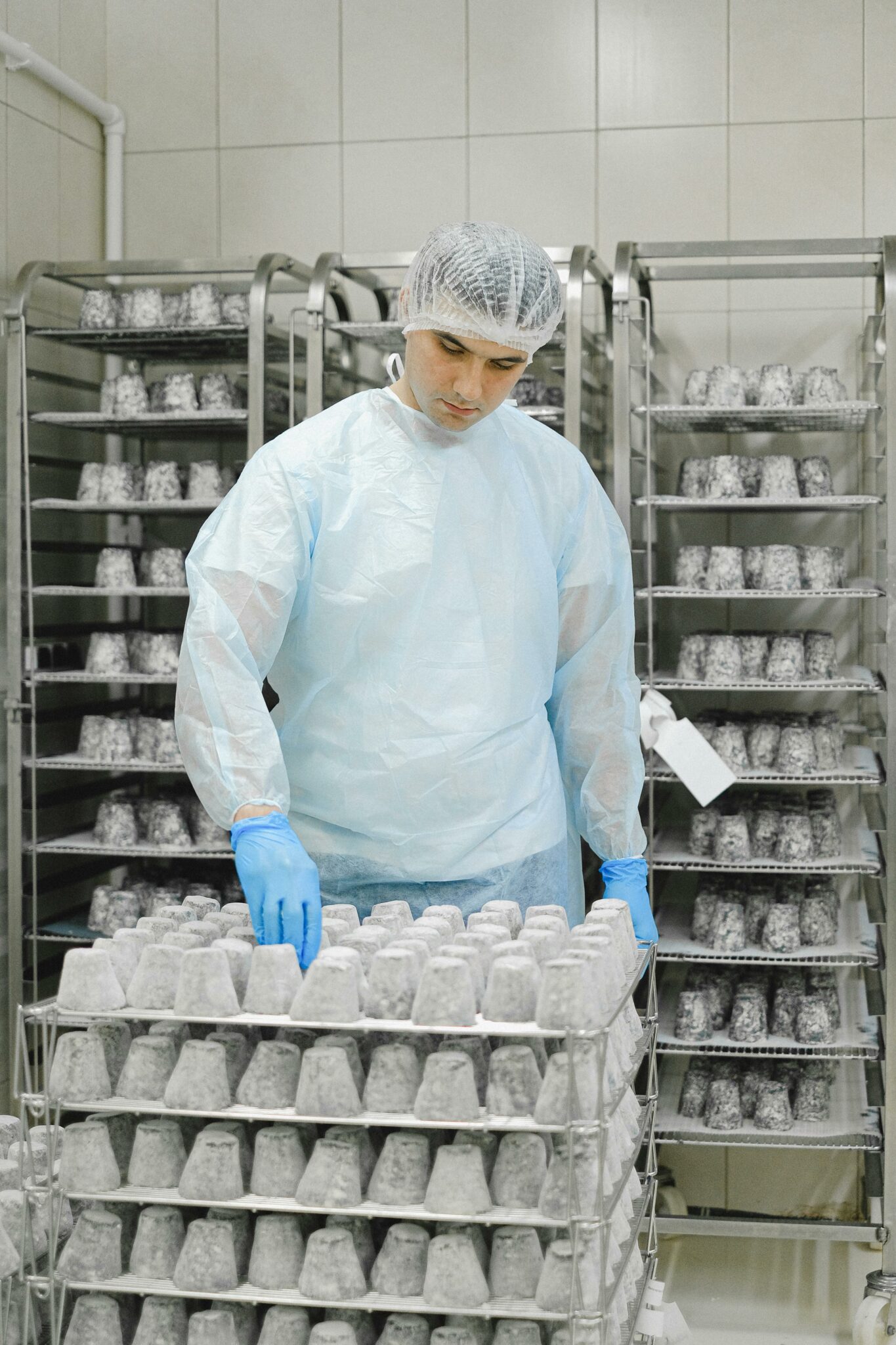

The Codex Alimentarius, or “Food Code” in Latin, is a globally recognized collection of standards, guidelines, and codes of practice designed to protect consumer health and promote fair practices in international food trade. Established in 1963 by the Food and Agriculture Organization (FAO) and the World Health Organization (WHO), the Codex Alimentarius Commission (CAC) was created in response to the post-World War II globalization of food production and trade, which highlighted the need for harmonized food safety regulations.
Structure and Governance
The CAC comprises 189 member countries and one member organization (the European Union), which collaborate to develop consensus-based standards through annual meetings and specialized committees. These committees focus on areas such as food additives, pesticide residues, labeling, and hygiene. Decisions are made by consensus, ensuring that diverse economic, cultural, and regulatory perspectives are considered.
Scope and Key Standards
Codex standards cover a broad spectrum of food-related issues. Key areas include setting maximum limits for food additives, pesticide residues, and contaminants like mycotoxins. For instance, the General Standard for Food Additives outlines safe usage levels of preservatives and colorants, while guidelines on labeling ensure transparency for consumers, such as allergen declarations. The Codex also addresses emerging challenges, including antimicrobial resistance, by establishing guidelines for veterinary drug use in food animals.
Impact on Global Trade
Though voluntary, Codex standards hold significant weight in international trade. The World Trade Organization’s (WTO) Agreement on the Application of Sanitary and Phytosanitary Measures (SPS Agreement) recognizes these standards as benchmarks for resolving trade disputes. Countries adopting Codex guidelines are less likely to face trade barriers, incentivizing global alignment and reducing conflicts over differing national regulations.
Challenges and Adaptations
Harmonizing standards across nations with varying regulatory frameworks remains a challenge. Developing countries, in particular, may lack resources to fully implement Codex guidelines or participate in CAC proceedings. Additionally, rapid scientific advancements and evolving public health concerns, such as climate change impacts on food safety and the rise of digital food technologies, require continuous updates to Codex protocols.
Recent Initiatives
In recent years, the CAC has expanded its focus to include sustainability and nutrition. Efforts to reduce foodborne illnesses and improve nutritional labeling reflect shifting consumer demands. The commission has also integrated digital tools to streamline data sharing and risk assessments, enhancing responsiveness to food safety emergencies, such as those posed by the COVID-19 pandemic.
Conclusion
For six decades, the Codex Alimentarius has played a pivotal role in shaping the global food system. By bridging scientific research, regulatory practices, and international cooperation, it ensures that food safety and trade equity remain priorities in an interconnected world. As food systems evolve, the Codex continues to adapt, upholding its mandate to safeguard public health and foster fair trade practices worldwide.
