
Close Menu
  • Food Poisoning
    • Symptoms
    • Prevention
    • Treatment
    • Causes
  • Pathogens
    • Botulism
    • Campylobacter
    • E. coli
    • Cyclospora
    • Norovirus
    • Hepatitis A
    • Salmonella
    • Listeria
    • Shigella
  • Food Safety
    • How to wash your hands
    • Food Safty And The Holidays
  • Legal
    • Can I sue for Food Poisoning?
    • E. coli Lawyer
      • E. coli Lawsuit
    • Salmonella Lawyer
      • Salmonella Lawsuit
    • Botulism Lawyer
    • Cyclospora Lawyer
    • Shigella Lawyer
    • Hepatitis A Lawyer
  • Outbreaks and Recalls
  • Connect With A Lawyer
What's Hot

The Makings of an Exceptional Food Poisoning Lawyer – Handling Salmonella, E. coli and Listeria Litigation

January 8, 2026

Why Is It That Pregnant Women Have to Worry About Listeria More Than Others?

January 8, 2026

Is It Safe to Eat Salmon or Steak That Is Cooked Rare or Medium Rare? What About Salmonella and E. coli?

January 8, 2026
Facebook X (Twitter) Instagram
Facebook X (Twitter) YouTube
  • About
  • Contact Us
Food Poisoning NewsFood Poisoning News
  • Home
  • Food Poisoning
    • What is Food Poisoning?
      • Symptoms
      • Causes
      • Prevention
      • Treatment
      • Statistics
    • Pathogens
      • Botulism
      • Campylobacter
      • E. coli
      • Hepatitis A
      • Shigella
      • Norovirus
      • Salmonella
      • Cyclospora
      • Listeria
  • Food Safety
    • How to wash your hands
    • Food Safty And The Holidays
  • Legal
    • Salmonella Lawyer
      • Salmonella Lawsuit
    • E. coli Lawyer
      • E. coli Lawsuit
    • Cyclospora Lawyer
    • Shigella Lawyer
    • Hepatitis A Lawyer
    • Botulism Lawyer
  • Outbreaks and Recalls
Food Poisoning NewsFood Poisoning News
Home»Featured»The Crucial Role of Refrigeration in Food Safety at Home
The Crucial Role of Refrigeration in Food Safety at Home
Featured

The Crucial Role of Refrigeration in Food Safety at Home

Kit RedwineBy Kit RedwineApril 23, 2024No Comments4 Mins Read
Share
Facebook Twitter LinkedIn Pinterest Email Reddit

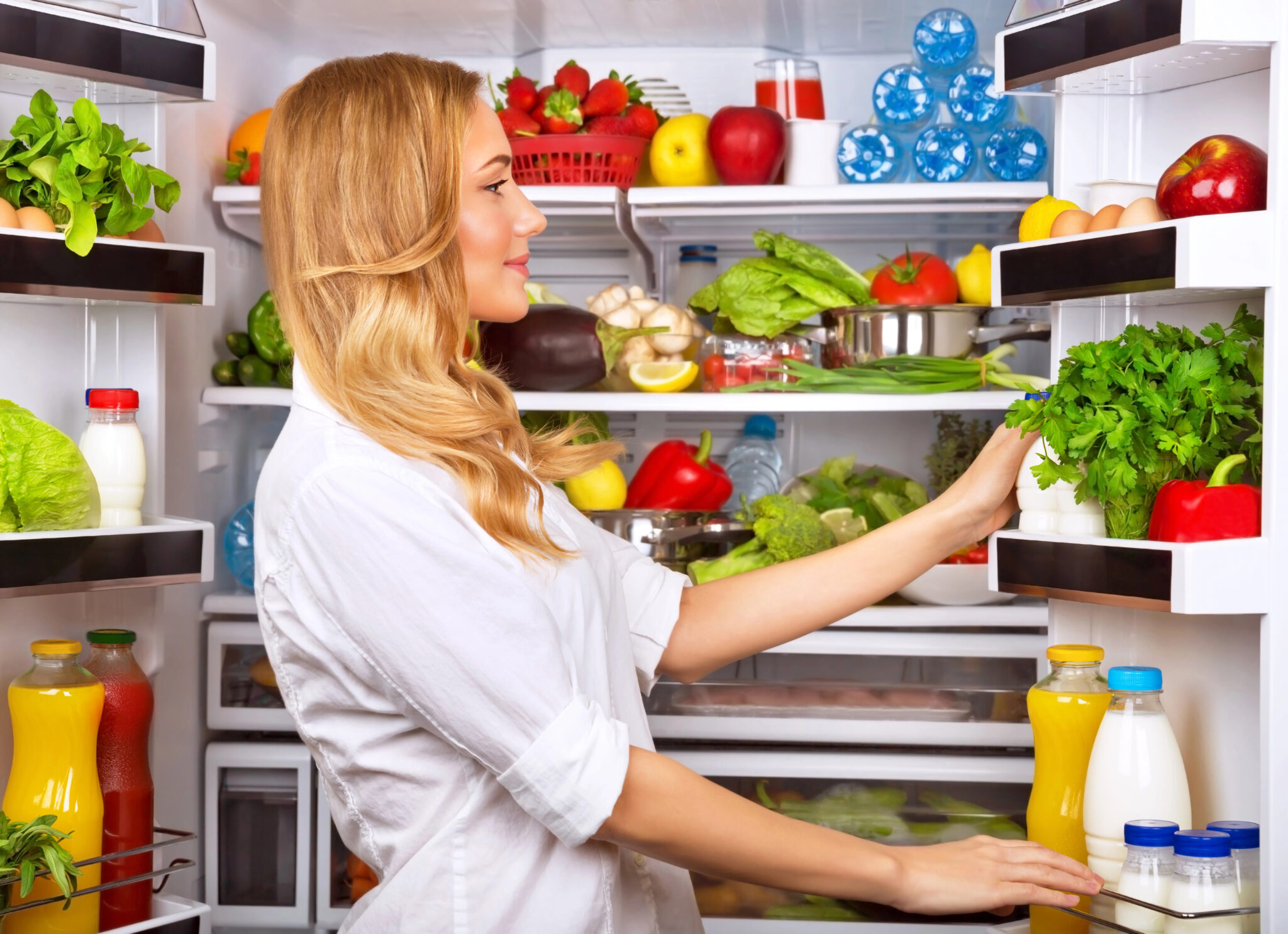
A well-functioning refrigerator is more than just a kitchen appliance; it helps to keep us healthy and safe.  Proper refrigeration plays a pivotal role in safeguarding food from harmful bacteria and ensuring that what we consume remains safe.   

History of Refrigeration: From Cold Caves to Modern Units

The concept of refrigeration dates back to prehistoric times when early humans discovered that storing meat in cool caves or snow extended its shelf life.  From there, cooling methods evolved over the centuries.  As primitive technology developed, ice was produced from lakes or rivers, stored, and even transported to other countries.  In the 1500s, potassium nitrate and sodium nitrate were added to water so it would cool rapidly.  Mechanical refrigeration, powered by compressors and refrigerants as we know now, emerged in the late 19th century. Today, our electric refrigerators are indispensable, preserving our perishables and preventing foodborne illnesses.

Why Refrigeration Matters: Slowing Bacterial Growth

Bacteria are ubiquitous in nature, present in soil, air, water, and the food we consume. Under the right conditions—nutrients, moisture, and the right temperature—bacteria quickly multiples.  The temperature range between 40°F and 140°F (aka, the “Danger Zone”) is particularly conducive to bacterial growth.  However, the risk of bacterial proliferation and consequent foodborne illness can be dramatically slowed and near-eliminated by keeping the refrigerator temperature at refrigerator set at 40°F or lower.

Types of Bacteria in Refrigerated Foods

Two distinct types of bacteria impact our food:

  1. Pathogenic Bacteria: These are the pathogens behind foodborne illnesses and can make us sick if ingested.  Typically, they don’t affect the taste, smell, or appearance of food and so people are more likely to unknowingly eat contaminated items.
  2. Spoilage Bacteria: These cause food to deteriorate, leading to unpleasant odors, tastes, and textures.  The food is less appetizing and thus people are less likely to eat it.  If they did, however, there is only a small chance they would get sick.

Safe Refrigerator Practices

Here are essential guidelines for maintaining food safety through proper refrigeration:

  1. Safe Temperature: Refrigerators should be set to 40°F or lower. This ensures that most foods remain out of the bacterial danger zone.
  2. Prompt Refrigeration: Refrigerate perishable items (meat, seafood, dairy, cut fruit, cooked leftovers) within 2 hours of purchase or preparation. If exposed to temperatures above 90°F (like in a hot car or during a picnic), refrigerate within 1 hour.
  3. Storage Placement: Organize thoughtfully. Keep raw meats separate from ready-to-eat foods to prevent cross-contamination. Place raw meats on lower shelves to avoid drips onto other items.
  4. Door Safety: While convenient, the refrigerator door is the warmest area. Store only items with a longer shelf life there (like condiments) to minimize temperature fluctuations.
  5. Specialized Compartments: Utilize designated compartments (such as the crisper drawer) for fruits, vegetables, and delicate items. These compartments maintain optimal humidity levels.
  6. Manual Defrosting: For older refrigerator-freezers that require manual defrosting, follow safe practices during the process to prevent bacterial growth.

Cleanliness and Odor Control

  • Regular Cleaning: Keep the refrigerator clean by wiping spills promptly, sanitizing surfaces, and discarding expired items.
  • Odor Management: To combat unpleasant smells, place an open box of baking soda inside the fridge. It absorbs odors effectively.

Storage Times

Remember that even refrigerated foods have limits. Consume leftovers within a reasonable timeframe. Here are some general storage times:

  • Raw meat: 1–2 days
  • Cooked leftovers: 3–4 days
  • Dairy products: Follow package instructions

According to one national food safety attorney, “Consumers should treat their refrigerator as a food safety ally.  By adhering to proper refrigeration practices, they can protect themselves and their loved ones from foodborne risks.”

Stay cool, stay safe!

Share. Facebook Twitter Pinterest LinkedIn Tumblr Email
Avatar photo
Kit Redwine

Related Posts

Why Is It That Pregnant Women Have to Worry About Listeria More Than Others?

January 8, 2026

How Viruses Like Hepatitis A and Norovirus Are Changing the Global Food Safety Landscape

January 5, 2026

Start the Year Safe: Understanding the Causes and Dangers of Listeria, Salmonella, and E. coli

January 2, 2026

Winter Break Disruptions: How Travel, Routine Changes, and Shared Spaces Increase Food Poisoning Risk

December 28, 2025
Add A Comment
Leave A Reply Cancel Reply

Attorney Advertisement
Ron Simon

Subscribe to Updates

Get the latest food safety recall, outbreak, & investigation news.

Latest Posts

The Makings of an Exceptional Food Poisoning Lawyer – Handling Salmonella, E. coli and Listeria Litigation

January 8, 2026

Why Is It That Pregnant Women Have to Worry About Listeria More Than Others?

January 8, 2026

Is It Safe to Eat Salmon or Steak That Is Cooked Rare or Medium Rare? What About Salmonella and E. coli?

January 8, 2026

Food Poisoning News is a website devoted to providing you with the most current information on food safety, dangerous pathogens, food poisoning outbreaks and outbreak prevention, and food poisoning litigation.

We're social. Connect with us:

Facebook X (Twitter) YouTube
Latest Posts

The Makings of an Exceptional Food Poisoning Lawyer – Handling Salmonella, E. coli and Listeria Litigation

January 8, 2026

Why Is It That Pregnant Women Have to Worry About Listeria More Than Others?

January 8, 2026

Is It Safe to Eat Salmon or Steak That Is Cooked Rare or Medium Rare? What About Salmonella and E. coli?

January 8, 2026
Get Informed

Subscribe to Updates

Get the latest food safety recall, outbreak, & investigation news.

Facebook X (Twitter) YouTube
  • Home
© 2026 Food Poisoning News. Sponsored by Ron Simon & Associates a Houston, TX law firm. Powered by ArmaVita.
Our website and content are for informational purposes only. Food Poisoning News does not provide legal advice, medical advice, diagnosis, or treatment.

Type above and press Enter to search. Press Esc to cancel.