

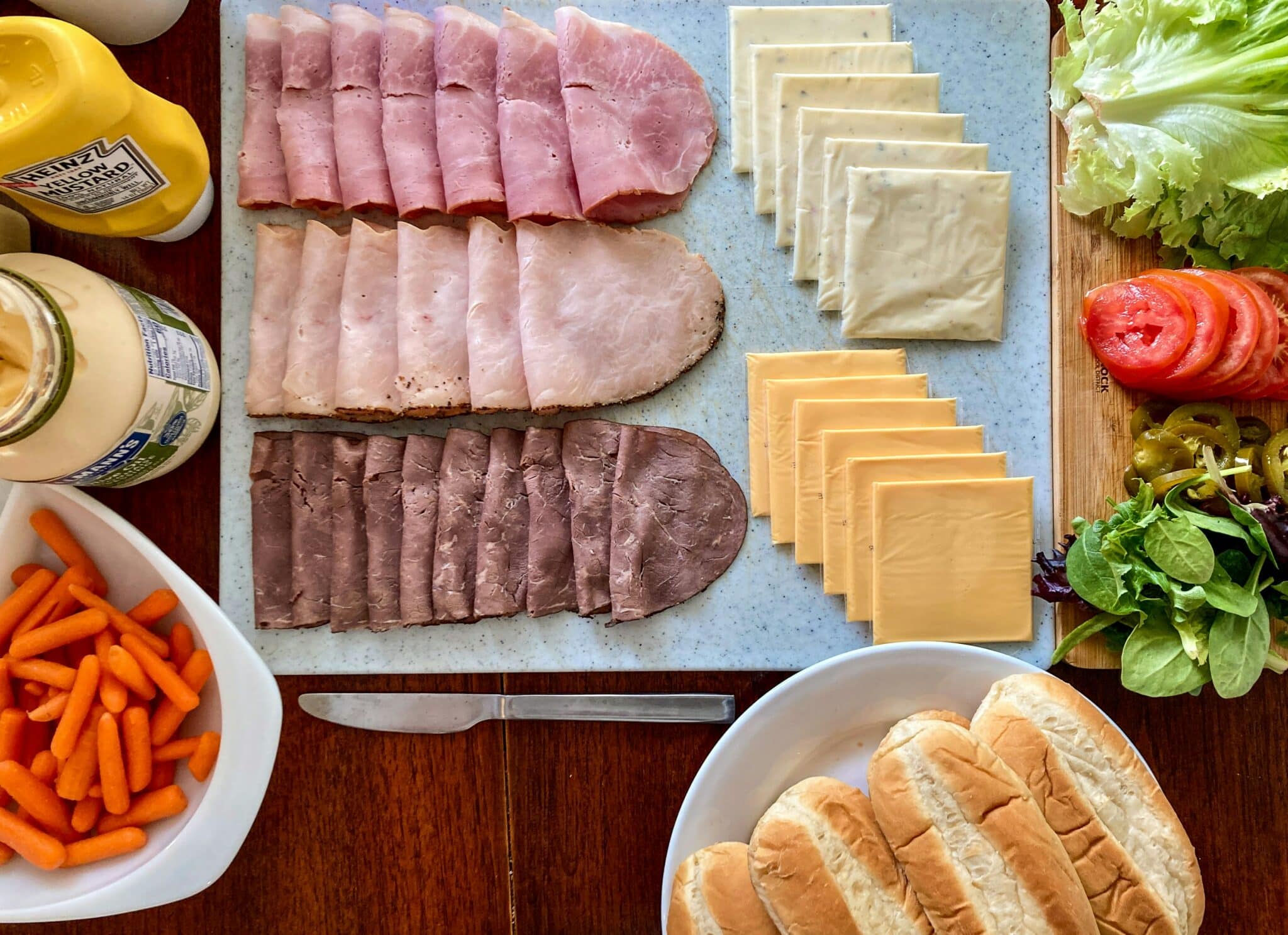

Charcuterie and grazing boards have exploded in popularity over the past few years, appearing everywhere from weddings and holiday parties to casual picnics and corporate events. Often celebrated for their artistic presentation and variety, these boards typically feature cured meats, cheeses, fruits, nuts, dips, and crackers. While they may seem like the perfect centerpiece for entertaining, they come with hidden risks that can lead to foodborne illness when not handled properly.
A Mix of High-Risk Foods
Charcuterie boards combine multiple food types that are known to carry a higher risk of contamination. Cured meats like salami, prosciutto, and pâté can harbor Listeria monocytogenes, especially when stored improperly or served at unsafe temperatures. Soft cheeses, such as brie or camembert, are also common on these boards and can support the growth of Listeria and other pathogens, particularly if made from unpasteurized milk.
Fresh fruits, another frequent component, can introduce bacteria like E. coli or Salmonella if not washed thoroughly. Additionally, dips such as hummus or soft spreads can become breeding grounds for bacteria when left unrefrigerated for extended periods. When all of these high-risk items are served together on one surface and sit out for hours, the risk of foodborne illness increases significantly.
Temperature and Time Are Critical
A key concern with charcuterie boards is how long the food sits out. Most of the components are perishable and should not remain at room temperature for more than two hours. In warmer settings, such as outdoor events or summer parties, that time frame can shrink to just one hour.
Meats and cheeses, in particular, require refrigeration. Once these items rise above 40 degrees Fahrenheit, they enter the “danger zone,” a temperature range between 40 and 140 degrees Fahrenheit where bacteria multiply rapidly. A beautifully arranged grazing board may impress guests, but if it has been sitting out for too long, it becomes a potential source of illness.
Cross-Contamination Risks
Another food safety concern is the potential for cross-contamination. These boards often have raw or lightly processed foods placed next to each other without any separation. Juice from meat or unwashed produce can contaminate cheese or bread, especially if the surface has not been cleaned properly or if the same utensils are used for multiple foods.
Serving tongs or toothpicks are not always provided, and guests may touch several items before choosing one. This increases the risk of spreading bacteria from hands to food, particularly when hand hygiene is not enforced or sinks are not readily available for washing.
High-Risk Groups Should Be Extra Cautious
Some individuals are more susceptible to foodborne illness than others. Pregnant women, older adults, young children, and those with weakened immune systems should exercise caution when consuming charcuterie boards. Foods like soft cheeses, deli meats, and raw fruits can cause severe illness in these populations.
For instance, Listeria infection during pregnancy can result in miscarriage, stillbirth, or severe illness in newborns. Immunocompromised individuals may face hospitalization or long-term health effects from infections that others would only experience as a temporary stomach upset.
Safe Preparation and Serving Tips
To enjoy charcuterie boards safely, food safety practices must be prioritized during preparation, display, and storage. Begin by washing hands thoroughly before assembling the board and ensure all surfaces and utensils are sanitized. Use separate knives and cutting boards for meats, cheeses, and produce to prevent cross-contamination.
Keep perishable items refrigerated until right before serving. To extend the time a board can be safely displayed, consider placing it on a chilled surface or using ice packs underneath a decorative tray. Rotate in fresh components if the event will last several hours and discard any food that has been left out too long.
Labeling foods can also help guests make informed choices, especially those with food allergies or dietary restrictions. Providing clean serving utensils and encouraging their use can reduce hand-to-food contact and lower contamination risks.
A Trend That Requires Responsibility
The rise of charcuterie boards reflects a broader cultural shift toward casual, social dining experiences and creative food presentation. However, this trend should not come at the expense of food safety. When poorly handled, these beautiful spreads can become sources of illness rather than enjoyment.
As boards continue to grow in popularity, whether at home or catered events, there is a pressing need for education about proper handling, time control, and hygiene. This awareness not only protects the health of those enjoying the food but also ensures that hosts and food businesses maintain a good reputation.
With thoughtful preparation and a strong understanding of food safety principles, charcuterie boards can be both delicious and safe. The key is recognizing the risks and taking simple steps to prevent them from turning into real problems.
