

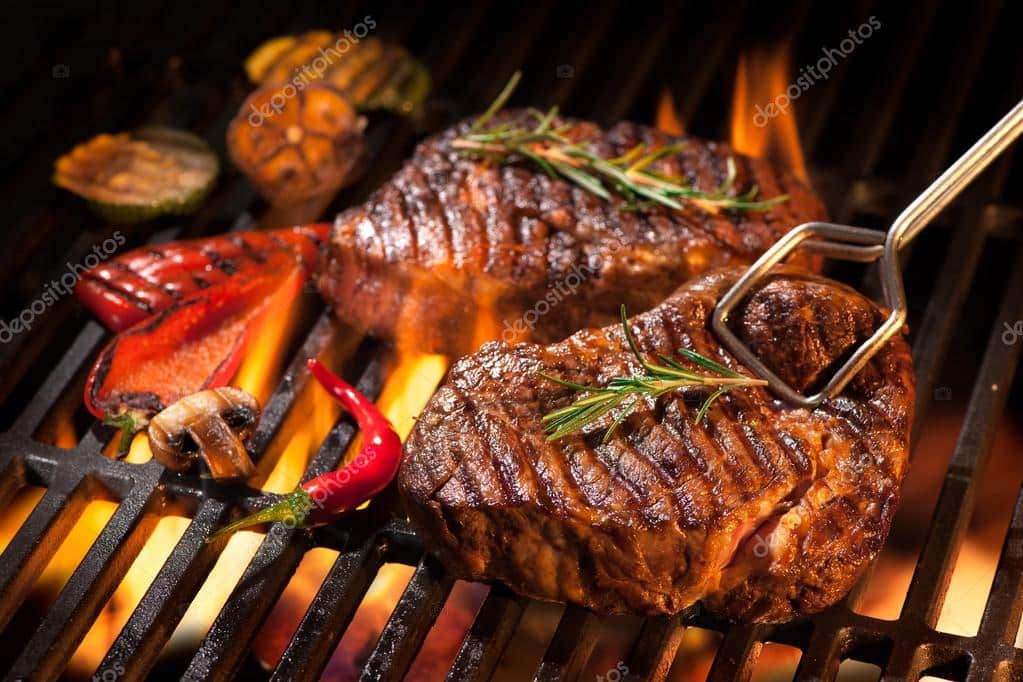

Barbecue season is a hallmark of summer—weekend cookouts, holiday celebrations, and casual meals shared outdoors. Yet behind the laid-back atmosphere of grilling lies one of the most common and preventable sources of foodborne illness in the United States. Every year, thousands of people fall ill after eating undercooked meat or food contaminated during outdoor cooking, turning what should be a celebration into days—or even weeks—of serious illness.
According to the Centers for Disease Control and Prevention, meat and poultry account for a significant share of food poisoning cases nationwide. Barbecue season amplifies the risk due to higher temperatures, less controlled cooking environments, and frequent lapses in basic food safety practices.
Why Barbecues Are a Perfect Storm for Foodborne Illness
Unlike indoor kitchens, grills heat unevenly. Flames, hot spots, and flare-ups can quickly char the outside of meat while leaving the interior below safe temperatures. This is especially dangerous for thicker cuts of meat and bone-in poultry, which take longer to cook thoroughly.
Summer heat also accelerates bacterial growth. Raw meat left sitting out while guests arrive or sides are prepared can enter the “danger zone” (40°F–140°F), where bacteria like Salmonella and E. coli multiply rapidly. Even short periods of improper temperature control can significantly increase risk.
Distraction plays a role as well. Socializing, supervising children, or managing multiple dishes at once can lead grillers to rush cooking times or skip critical steps, such as checking internal temperatures.
Undercooked Meat: A Serious and Often Invisible Threat
Many people assume that if meat “looks done,” it’s safe to eat. Unfortunately, appearance is one of the least reliable indicators of food safety. Meat can brown or develop grill marks long before harmful bacteria are killed.
Different meats pose different risks:
- Chicken and turkey commonly carry Salmonella and Campylobacter, both of which can cause severe gastrointestinal illness.
- Ground beef and burgers are associated with E. coli, which can lead to kidney failure, particularly in children.
- Pork may carry Yersinia or Trichinella if improperly cooked.
- Sausages and hot dogs may appear cooked on the outside while remaining unsafe internally.
The only way to ensure meat is safe is by using a food thermometer:
- Poultry: 165°F
- Ground meats (burgers): 160°F
- Steaks, pork, and fish: 145°F with a rest period
- Reheated meats and leftovers: 165°F
Skipping this step remains one of the most common causes of barbecue-related illness.
Cross-Contamination: The Silent Culprit
Even when meat is cooked properly, people can still get sick through cross-contamination. This occurs when bacteria from raw meat spread to cooked foods, utensils, or surfaces.
Common barbecue mistakes include:
- Using the same plate for raw and cooked meat
- Reusing marinades that held raw meat
- Handling buns, salads, or fruit after touching raw meat
- Using shared tongs or forks without cleaning them
Outdoor settings make these errors more likely due to limited access to sinks, shared tables, and crowded prep areas.
Who Faces the Greatest Risk?
While food poisoning can affect anyone, certain populations are more likely to experience severe or life-threatening complications, including:
- Older adults
- Young children
- Pregnant women
- People with weakened immune systems
For these individuals, infections from undercooked meat can result in dehydration, hospitalization, or long-term health consequences rather than a brief stomach illness.
How to Grill Safely All Summer Long
Simple precautions can dramatically reduce risk:
- Keep raw meat refrigerated until just before cooking
- Use separate plates and utensils for raw and cooked foods
- Wash hands thoroughly or use soap-based wipes
- Cook meat to proper internal temperatures using a thermometer
- Refrigerate leftovers within two hours (or one hour in extreme heat)
The Bottom Line
Barbecue season should be about enjoyment—not emergency room visits. Undercooked meat and cross-contamination remain leading causes of summer foodborne illness, but they are also among the most preventable. By slowing down, cooking thoroughly, and practicing basic hygiene, grillers can protect themselves, their families, and their guests while still enjoying everything that summer cookouts have to offer.
