


Food poisoning is often imagined as something that happens after food reaches the home kitchen—undercooked meat, leftovers left out too long, or poor hand hygiene. While those risks are real, many foodborne illnesses begin much earlier, during the complex and largely invisible process of modern food production. From the moment raw ingredients leave farms to the second a product is sealed and shipped, bacteria can travel through a long chain of handling, equipment, and environments that quietly shape food safety outcomes.
Modern food processing exists to feed large populations efficiently. Facilities are designed to move massive volumes of food quickly, consistently, and at controlled temperatures. Yet the same scale that allows food to be affordable and accessible also introduces unique risks. Bacteria do not need dramatic failures to spread—minor oversights, tiny surface imperfections, or brief temperature fluctuations can be enough for contamination to persist.
The journey often begins with raw ingredients. Produce, meat, dairy, and grains arrive carrying microorganisms from soil, water, animals, or harvesting equipment. Many of these microbes are harmless, but some can cause illness if allowed to survive later processing steps. Washing and initial treatments reduce bacterial load, but they rarely eliminate it completely. From the very start, food processing operates on risk reduction rather than total eradication.
Once ingredients enter a facility, they encounter a dense network of machinery. Conveyor belts, slicers, grinders, mixers, and fillers all come into direct contact with food. These surfaces are cleaned and sanitized regularly, yet bacteria are remarkably skilled at hiding. Microscopic scratches, joints, drains, and rubber seals can trap moisture and nutrients, creating ideal conditions for bacterial survival. Over time, bacteria can form biofilms—protective communities that resist routine cleaning and allow microbes to persist for long periods.
Temperature control is one of the most critical and challenging aspects of food processing. Heating steps such as pasteurization or cooking are designed to kill harmful organisms, but these steps must be precisely calibrated. If temperatures are too low or exposure times too short, some bacteria may survive. After heating, rapid cooling is essential. Slow cooling allows surviving bacteria to multiply before packaging, especially in large batches where heat dissipates unevenly.
Water plays a central role throughout processing. It is used to wash ingredients, transport food through systems, clean equipment, and maintain hygiene. If water sources are contaminated or filtration systems fail, bacteria can spread quickly across multiple production lines. Because water moves easily through facilities, contamination introduced in one area can affect many products before the issue is detected.
Packaging is often viewed as the final safeguard, but it presents its own challenges. Vacuum-sealed and modified-atmosphere packaging are designed to extend shelf life by limiting oxygen exposure. While this slows the growth of many bacteria, it can create favorable conditions for others that thrive without oxygen. These organisms may grow slowly and invisibly, making contamination difficult to detect before products reach consumers.
One of the most complex challenges in food processing is the sheer speed of production. High-volume facilities operate continuously, sometimes around the clock. When contamination occurs, it can affect large quantities of food in a short period of time. This speed makes early detection essential, but it also means that problems can spread widely before corrective actions are taken.
Food safety within processing plants depends on layered systems rather than single solutions. These systems include sanitation protocols, temperature monitoring, equipment design, employee training, and microbial testing. When all layers function correctly, the risk of contamination is greatly reduced. When one layer weakens, bacteria may find opportunities to survive.
Some of the most common risk points in food processing include:
- Hard-to-clean equipment areas, such as joints, drains, and seals where moisture accumulates
- Cooling and holding stages, where temperature control must be precise to prevent bacterial growth
Human factors also play a role. Employees are trained to follow strict hygiene practices, but fatigue, time pressure, and routine repetition can lead to mistakes. A missed handwashing step or improper equipment cleaning may seem minor, yet in a high-volume environment, small errors can have large consequences.
Another challenge lies in detecting contamination before products leave the facility. Microbial testing is an essential tool, but it relies on sampling rather than testing every unit of food. This means contamination can exist without being immediately identified. Facilities use statistical models and trend monitoring to catch problems early, but no system is infallible.
Transportation and storage after processing add another layer of complexity. Finished products must remain within safe temperature ranges during storage and distribution. Breaks in the cold chain—whether during loading, transit, or retail storage—can allow bacteria to multiply even if processing was done correctly. By the time food reaches consumers, it may have passed through dozens of hands and environments.
Understanding the hidden journey of bacteria through modern food processing highlights an important reality: food safety is not guaranteed by any single step. It is the result of continuous attention, system-wide coordination, and constant improvement. Advances in equipment design, sanitation technology, and monitoring systems have significantly reduced foodborne illness risk, but they cannot eliminate it entirely.
For consumers, this knowledge underscores why food safety guidance remains essential even for packaged or processed foods. Refrigeration instructions, expiration dates, and handling recommendations exist because bacteria may still be present at low levels. The final steps of food safety often occur at home, completing a chain that began long before the food was purchased.
Food processing is a remarkable achievement of modern society, enabling consistent access to diverse foods year-round. At the same time, it is a reminder that bacteria are persistent, adaptive, and invisible. Preventing food poisoning requires understanding this journey and respecting the systems designed to keep food as safe as possible from start to finish.
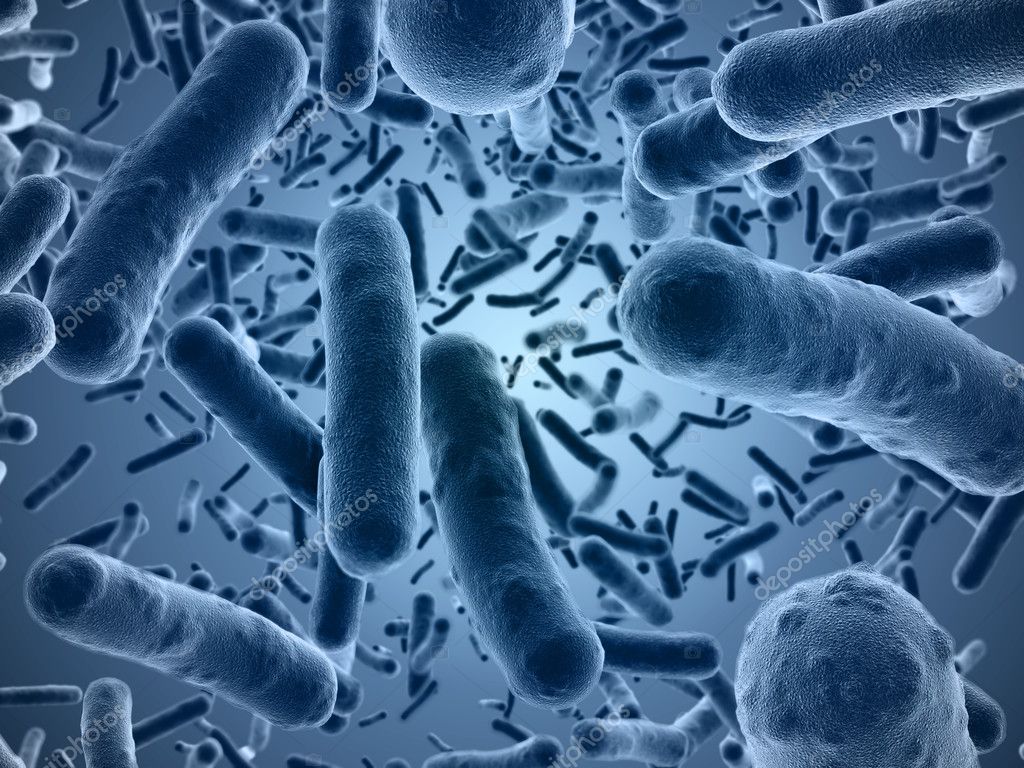
The Hidden Journey Bacteria Through Modern Food Processing

Related Posts
Add A Comment