

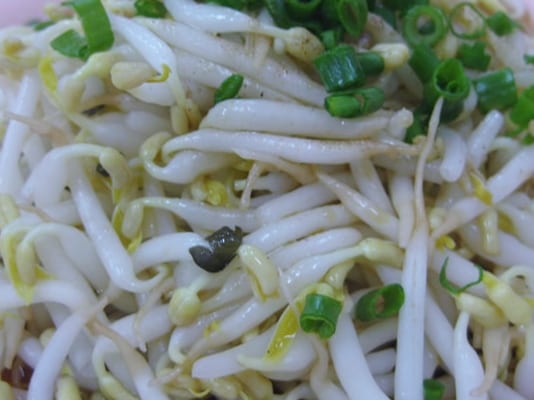

The Hidden Risks of Sprouts: Why They Are a Frequent Source of Outbreaks
Sprouts are often celebrated as a superfood. They are low in calories, high in nutrients, and add a crunchy freshness to salads, sandwiches, and wraps. Despite their reputation as a health food, sprouts are among the riskiest items you can eat when it comes to foodborne illness. Over the past few decades, numerous outbreaks of Salmonella, E. coli, and Listeria have been linked to raw or lightly cooked sprouts. Understanding why sprouts are so vulnerable to contamination and how to minimize risks is essential for both consumers and food service providers.
Why Sprouts Pose a Unique Risk
Sprouts are grown in warm, moist environments, the very conditions that bacteria need to thrive. Unlike other produce that grows outdoors, sprouts are cultivated in controlled environments with water and warmth that speed up germination. Unfortunately, if the seeds are contaminated with bacteria, the growing conditions can turn them into bacterial incubators.
Contamination often begins at the seed stage. Bacteria such as Salmonella and E. coli can cling to the seed surface or even become internalized within the seed. Once sprouting begins, washing or sanitizing the seeds is no longer effective at eliminating the pathogens. Because sprouts are typically eaten raw or only lightly cooked, there is no final kill step to remove harmful microbes before consumption.
A History of Outbreaks
Sprouts have been implicated in many large outbreaks across the globe. The 2011 E. coli O104:H4 outbreak in Germany was one of the deadliest foodborne illness events in modern history, with more than 4,000 illnesses and over 50 deaths traced to fenugreek sprouts. In the United States, both alfalfa and clover sprouts have repeatedly been linked to Salmonella and E. coli outbreaks. The Centers for Disease Control and Prevention (CDC) reports that since the mid-1990s, dozens of outbreaks have been tied directly to sprouts, sickening thousands of people.
Who Is Most at Risk
For healthy adults, eating contaminated sprouts may result in severe gastrointestinal distress, but for vulnerable populations, the consequences can be much more serious. Pregnant women, young children, older adults, and people with weakened immune systems face higher risks of hospitalization and life-threatening complications from foodborne pathogens. For these groups, avoiding raw sprouts altogether is the safest option.
The Most Common Pathogens
Several pathogens are commonly associated with sprout-related outbreaks:
- Salmonella: Causes diarrhea, fever, and abdominal cramps, and can lead to severe illness in young children and the elderly.
- E. coli O157:H7 and other Shiga toxin-producing strains: Can result in bloody diarrhea and, in severe cases, hemolytic uremic syndrome (HUS), a life-threatening kidney condition.
- Listeria monocytogenes: Particularly dangerous for pregnant women, newborns, and immunocompromised individuals, with risks of miscarriage, stillbirth, or invasive infection.
Because of the way sprouts are grown, these bacteria can multiply rapidly to dangerous levels before the product reaches grocery shelves or restaurant kitchens.
Food Safety Challenges with Sprouts
Regulating and managing sprout safety is challenging. Even rigorous seed disinfection and testing cannot guarantee a bacteria-free product. Once contamination occurs, it spreads quickly throughout the growing batch. Unlike many other fresh produce items, simply rinsing sprouts under running water does little to reduce bacterial load.
Food safety agencies have issued repeated warnings about sprouts. The U.S. Food and Drug Administration (FDA) advises that individuals at higher risk of foodborne illness should avoid raw sprouts completely. Restaurants and food service establishments are encouraged to disclose when sprouts are included in dishes, so consumers can make informed choices.
Safer Alternatives and Cooking Options
For those who still want to enjoy sprouts, cooking is the most effective way to eliminate harmful bacteria. Stir-frying, boiling, or steaming sprouts until they are steaming hot can significantly reduce the risk of foodborne illness. While this changes their texture, it makes them much safer to eat.
Consumers can also consider safer alternatives. For example, using fresh leafy greens, shredded vegetables, or lightly cooked sprout varieties can add crunch and nutrition without the same level of risk.
What Consumers Can Do
To reduce risks from sprouts:
- Avoid raw sprouts if you are in a high-risk group.
- Cook sprouts thoroughly before eating.
- Ask restaurants if their dishes contain raw sprouts, especially sandwiches and wraps.
- Keep sprouts refrigerated at 40°F (4°C) or below and consume them quickly, as bacteria multiply even under refrigeration.
- Pay attention to public health recalls involving sprout products.
Final Note
Sprouts may appear to be a wholesome, nutrient-packed addition to the diet, but they remain one of the most frequent sources of foodborne illness outbreaks. Their growing conditions create a perfect breeding ground for dangerous pathogens, and their typical consumption without cooking eliminates the chance to kill those microbes before eating. While healthy adults may face only temporary illness, vulnerable populations can experience devastating outcomes from contaminated sprouts. By understanding the risks and taking precautions, consumers can make safer food choices and reduce the chances of turning a healthy meal into a health hazard.
