
Close Menu
  • Food Poisoning
    • Symptoms
    • Prevention
    • Treatment
    • Causes
  • Pathogens
    • Botulism
    • Campylobacter
    • E. coli
    • Cyclospora
    • Norovirus
    • Hepatitis A
    • Salmonella
    • Listeria
    • Shigella
  • Food Safety
    • How to wash your hands
    • Food Safty And The Holidays
  • Legal
    • Can I sue for Food Poisoning?
    • E. coli Lawyer
      • E. coli Lawsuit
    • Salmonella Lawyer
      • Salmonella Lawsuit
    • Botulism Lawyer
    • Cyclospora Lawyer
    • Shigella Lawyer
    • Hepatitis A Lawyer
  • Outbreaks and Recalls
  • Connect With A Lawyer
What's Hot

Interesting Research into Food Poisoning (Think Salmonella, Listeria, and E. coli) Slated for 2026

January 9, 2026

Wild Pathogens: How Wildlife Brings Foodborne Illness Like Salmonella and E. Coli from Field to Fork

January 9, 2026

Antibiotic-Resistant Foodborne Infections: A Growing Threat at the Dinner Table

January 9, 2026
Facebook X (Twitter) Instagram
Facebook X (Twitter) YouTube
  • About
  • Contact Us
Food Poisoning NewsFood Poisoning News
  • Home
  • Food Poisoning
    • What is Food Poisoning?
      • Symptoms
      • Causes
      • Prevention
      • Treatment
      • Statistics
    • Pathogens
      • Botulism
      • Campylobacter
      • E. coli
      • Hepatitis A
      • Shigella
      • Norovirus
      • Salmonella
      • Cyclospora
      • Listeria
  • Food Safety
    • How to wash your hands
    • Food Safty And The Holidays
  • Legal
    • Salmonella Lawyer
      • Salmonella Lawsuit
    • E. coli Lawyer
      • E. coli Lawsuit
    • Cyclospora Lawyer
    • Shigella Lawyer
    • Hepatitis A Lawyer
    • Botulism Lawyer
  • Outbreaks and Recalls
Food Poisoning NewsFood Poisoning News
Home»Featured»The “Organic” Label Misconception – Does It Mean Safer?
The “Organic” Label Misconception – Does It Mean Safer?
Featured

The “Organic” Label Misconception – Does It Mean Safer?

Kit RedwineBy Kit RedwineApril 29, 2025No Comments3 Mins Read
Share
Facebook Twitter LinkedIn Pinterest Email Reddit

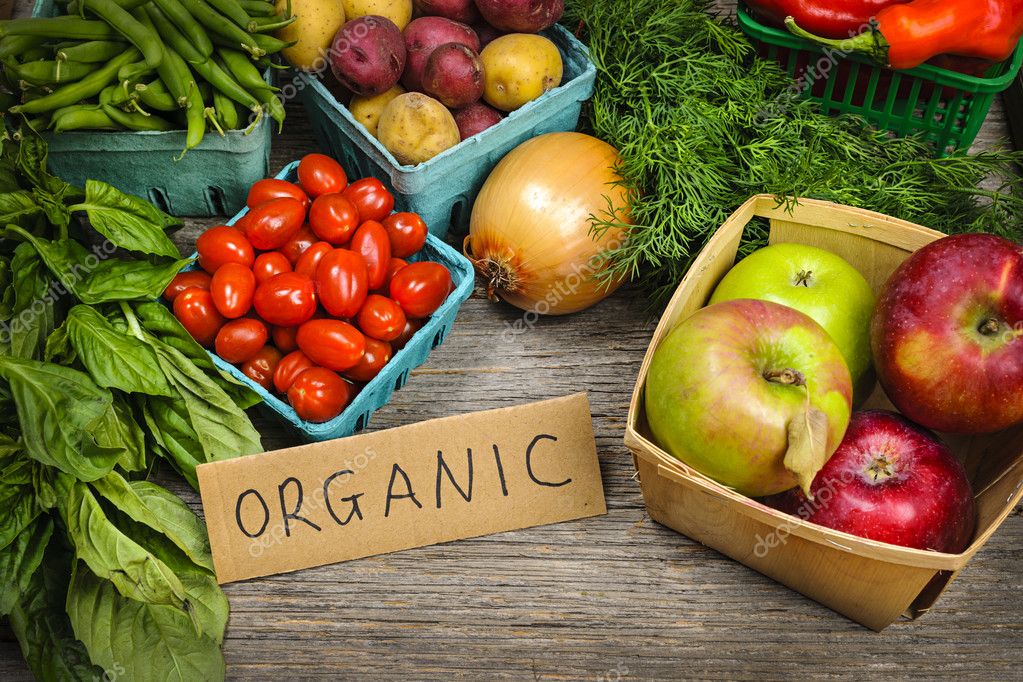
The “organic” label on food products has long been associated with health and safety in consumers’ minds, but experts caution that this certification does not inherently guarantee protection from foodborne risks or nutritional superiority. While organic farming practices prioritize environmental sustainability and restrict certain chemicals, the term “safer” requires careful scrutiny in the context of food safety and public health.  

Understanding the Organic Standard  

Certified organic foods in the U.S. must meet USDA National Organic Program criteria, which prohibit synthetic pesticides, genetically modified organisms (GMOs), antibiotics in livestock, and artificial additives. However, organic farms may use USDA-approved natural pesticides, such as copper sulfate or neem oil, which are not without controversy. Studies show organic produce can still harbor pesticide residues, albeit at lower levels than conventional counterparts, due to environmental contamination or approved substance use.  

Peer-reviewed research, including a 2018 analysis in Environmental Health Perspectives, found organic foods are less likely to contain detectable synthetic pesticides. Yet, the American Academy of Pediatrics notes there is insufficient evidence to confirm organic diets offer clinically meaningful health advantages over conventional options.  

Foodborne Illness Risks Persist  

Organic labeling does not eliminate microbial contamination risks. Pathogens like E. coli, Salmonella, and Listeria can infect organic crops through animal manure fertilizers, tainted irrigation water, or improper handling. A 2011 outbreak linked to organic sprouted seeds in Germany hospitalized over 3,000 people and caused 53 deaths, highlighting concerns that organic systems are not immune to foodborne hazards.  

Livestock products also face risks. Organic meat and dairy must adhere to strict antibiotic-use rules, but this does not prevent bacterial contamination during processing. For example, a 2020 recall of organic chicken products in the U.S. followed Salmonella concerns, mirroring recalls in conventional poultry.  

The Nutritional and Processed Food Debate  

While organic practices may enhance soil health, nutritional differences between organic and conventional foods remain marginal. A 2012 Stanford University meta-analysis concluded organic produce does not consistently offer higher vitamin or mineral content. Additionally, processed organic foods, such as snacks, cereals, or desserts, may still be high in sugar, sodium, or unhealthy fats, challenging the perception of organic as a blanket “healthier” choice.  

Regulatory and Consumer Guidance  

The USDA emphasizes that its organic certification relates to production methods, not food safety outcomes. Both organic and conventional foods must meet the same federal safety standards. However, organic supply chains face unique challenges, including limited access to certain antimicrobial treatments for produce.  

Food safety experts advise consumers to wash all fruits and vegetables thoroughly, cook meats to recommended temperatures, and follow storage guidelines, regardless of organic status. For processed items, reviewing nutrition labels, rather than relying solely on organic claims, is critical.  

A Shift in Perception  

Public health agencies stress that food safety depends on science-based practices across the entire supply chain, not farming labels alone. While organic agriculture supports ecological goals, conflating “organic” with “safer” overlooks the complexities of microbial risks and nutritional science.  

As demand for organic products grows, transparency about the label’s scope, and its limitations, remains vital. Consumers are urged to base food choices on verified safety practices, peer-reviewed research, and dietary balance, rather than assumptions tied to a single certification.

Commenting on this article, the nation’s leading Listeria lawyer said, “Many people choose organic food products based on perception of safety and better taste. I recommend that, regardless of what food is purchased, consumers follow all generally accepted food safety guidelines.”

Share. Facebook Twitter Pinterest LinkedIn Tumblr Email
Avatar photo
Kit Redwine

Related Posts

The Risks of Baking Sourdough Bread From a Starter and How to Avoid Mistakes

January 9, 2026

Why Is It That Pregnant Women Have to Worry About Listeria More Than Others?

January 8, 2026

How Viruses Like Hepatitis A and Norovirus Are Changing the Global Food Safety Landscape

January 5, 2026

Start the Year Safe: Understanding the Causes and Dangers of Listeria, Salmonella, and E. coli

January 2, 2026
Add A Comment
Leave A Reply Cancel Reply

Attorney Advertisement
Ron Simon

Subscribe to Updates

Get the latest food safety recall, outbreak, & investigation news.

Latest Posts

Interesting Research into Food Poisoning (Think Salmonella, Listeria, and E. coli) Slated for 2026

January 9, 2026

Wild Pathogens: How Wildlife Brings Foodborne Illness Like Salmonella and E. Coli from Field to Fork

January 9, 2026

Antibiotic-Resistant Foodborne Infections: A Growing Threat at the Dinner Table

January 9, 2026

Food Poisoning News is a website devoted to providing you with the most current information on food safety, dangerous pathogens, food poisoning outbreaks and outbreak prevention, and food poisoning litigation.

We're social. Connect with us:

Facebook X (Twitter) YouTube
Latest Posts

Interesting Research into Food Poisoning (Think Salmonella, Listeria, and E. coli) Slated for 2026

January 9, 2026

Wild Pathogens: How Wildlife Brings Foodborne Illness Like Salmonella and E. Coli from Field to Fork

January 9, 2026

Antibiotic-Resistant Foodborne Infections: A Growing Threat at the Dinner Table

January 9, 2026
Get Informed

Subscribe to Updates

Get the latest food safety recall, outbreak, & investigation news.

Facebook X (Twitter) YouTube
  • Home
© 2026 Food Poisoning News. Sponsored by Ron Simon & Associates a Houston, TX law firm. Powered by ArmaVita.
Our website and content are for informational purposes only. Food Poisoning News does not provide legal advice, medical advice, diagnosis, or treatment.

Type above and press Enter to search. Press Esc to cancel.