

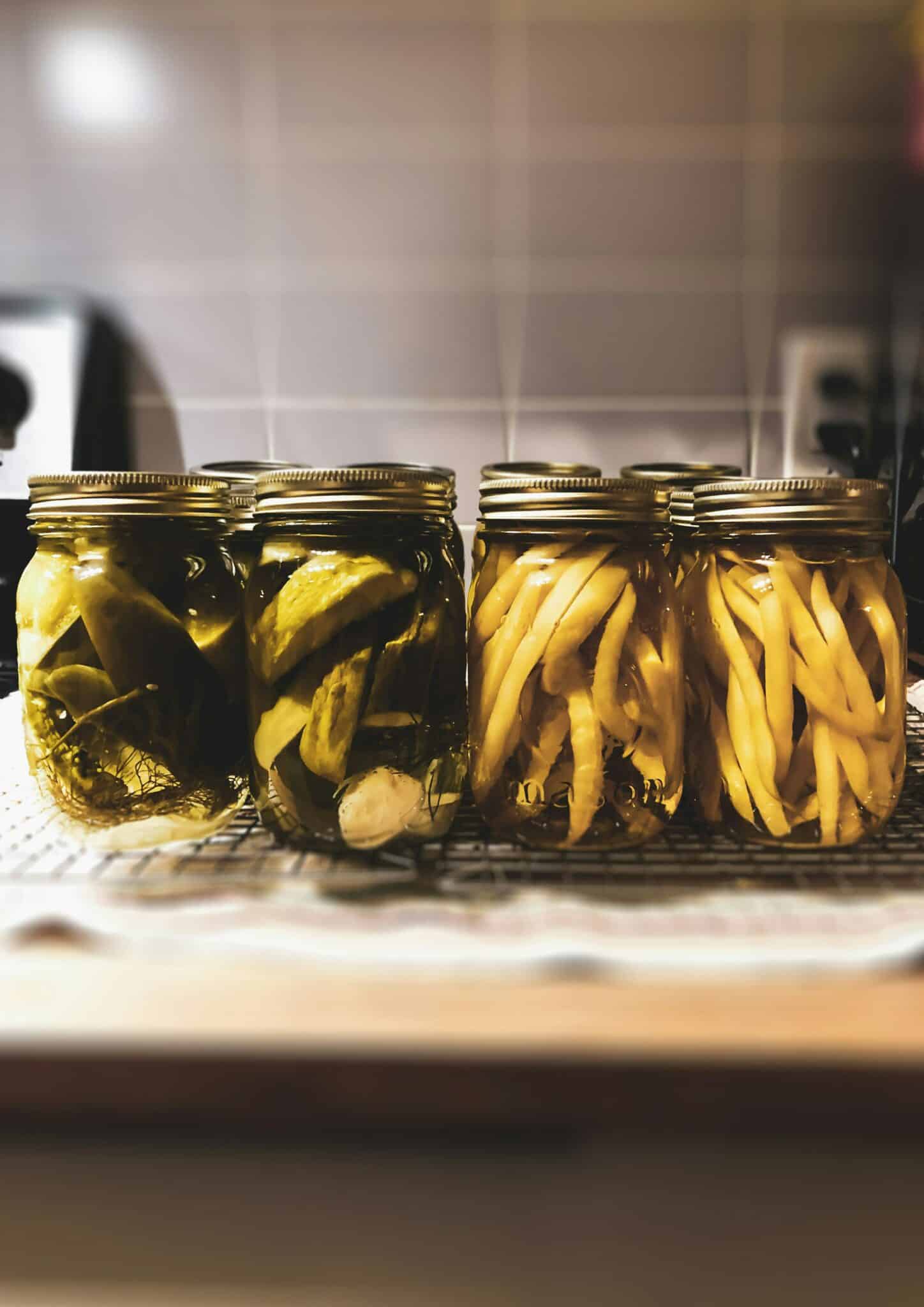

Food preservation employs scientific principles to inhibit spoilage by controlling microbial growth, enzyme activity, and chemical degradation. Spoilage mechanisms include bacterial proliferation, mold, yeast, enzymatic reactions, and oxidation, which thrive in the “danger zone” of 40–140°F (4.4–60°C). By manipulating temperature, moisture, acidity, or oxygen, preservation methods extend shelf life while maintaining safety.
Key Preservation Techniques and Their Mechanisms
Canning
- High-Acid Foods (e.g., fruits, pickles): Processed in boiling water baths (212°F/100°C) to destroy molds, yeasts, and enzymes. Recent research mandates adding acid (e.g., bottled lemon juice) to tomatoes for safety due to variable natural acidity.
- Low-Acid Foods (e.g., vegetables, meats): Require pressure canning (240–250°F/116–121°C) to eliminate Clostridium botulinum spores. Processing times and pressures vary with elevation, as water boils at lower temperatures at higher altitudes.
- Innovations like atmospheric steam canning are now USDA-approved for high-acid foods but are limited to 45-minute processing to prevent water evaporation.
Freezing
- Rapid freezing at 0°F (–18°C) halts microbial growth and slows enzymatic activity. However, enzymes in vegetables remain active unless deactivated by blanching (brief scalding in boiling water) before freezing. Fruits may require ascorbic acid dips to prevent browning.
- Ice crystal formation can damage cell structures, leading to texture changes in items like zucchini or broccoli. Proper packaging in airtight containers minimizes freezer burn caused by moisture loss and oxidation.
Dehydration
- Removing moisture reduces water activity (a_w) below 0.91, inhibiting bacterial growth. Some bacteria (e.g., halophiles) tolerate lower a_w, but molds require higher moisture.
- Pretreatments like dipping fruits in citric acid or blanching vegetables preserve color and nutrients. Conditioning, storing dried foods in sealed containers for 7–10 days, equalizes residual moisture to prevent mold.
Pickling and Fermentation
- Saturation with vinegar or brine creates a high-acid environment (pH ≤4.6), preventing pathogenic growth. Heat processing via water bath canning is still necessary after packing to ensure safety.
Safety and Efficiency Considerations
- Energy Use: Studies rank preservation methods by efficiency: root cellaring > drying > canning > freezing. Freezing consumes continuous energy, while canned goods require none after processing.
- Elevation Adjustments: Canning times/pressures must increase at higher elevations to compensate for lower boiling points.
- Spoilage Prevention: Proper techniques avoid risks like botulism in under processed canned goods or freezer burn in inadequately packaged foods. The USDA emphasizes using research-tested recipes and methods.
Table: Microbial Growth Requirements and Preservation Countermeasures
| Factor | Optimal for Microbes | Preservation Control |
| Temperature | 40 – 140°F (Danger Zone) | Freezing (0°F); Canning (>212°F) |
| Water Activity (a_w) | >0.91 | Dehydration (<.60) |
| pH | Neutral (7.0) | Pickling (<4.6) |
| Oxygen | Varies by organism | Vacuum-sealing; Antioxidants |
Modern preservation relies on evolving science, such as updated USDA guidelines for acidifying tomatoes or avoiding summer squash canning due to untestable heat penetration. These methods transform abundance into year-round sustenance while combating food waste, a critical need as food prices rise.
