

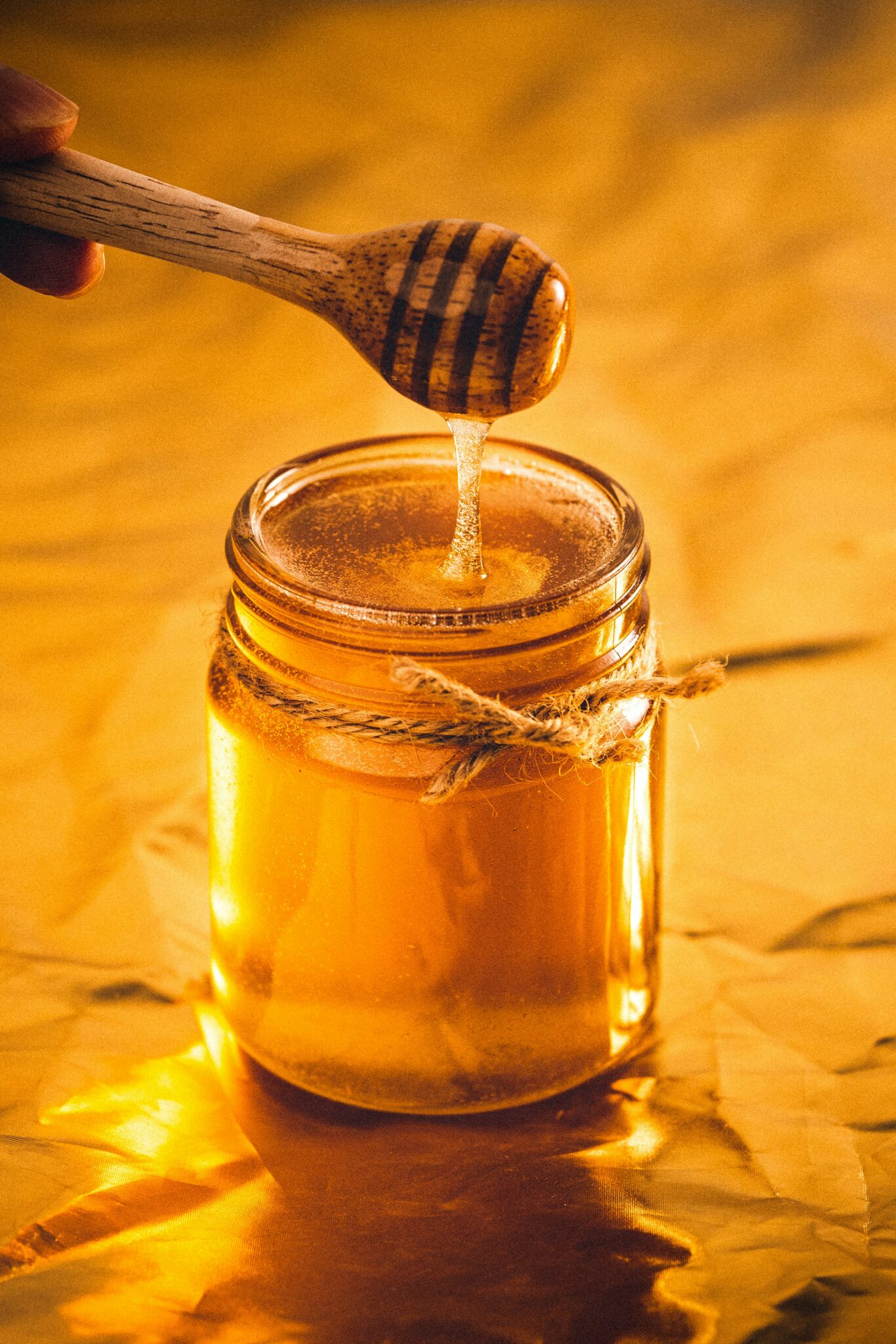

Honey has a reputation for lasting far longer than most other foods, and in many cases, that reputation is well-earned. Archaeologists have discovered sealed jars of honey in ancient Egyptian tombs that were still safe to eat thousands of years later. This remarkable longevity makes honey not only a kitchen staple but also a fascinating example of how nature can preserve food without the need for artificial additives. Understanding why honey lasts so long, the factors that influence its shelf life, and how to store it properly can help you get the most out of every jar.
Why Honey Rarely Spoils
Honey’s unique chemical composition is the primary reason for its long shelf life. It has an extremely low moisture content, around 17 to 18 percent, which is too low to support the growth of most bacteria and mold. In addition, honey is naturally acidic, with a pH between 3.2 and 4.5, creating an environment that is inhospitable to many microorganisms.
Another preservation factor is the presence of hydrogen peroxide, which forms when bees add an enzyme called glucose oxidase during honey production. This mild antibacterial compound further protects honey from microbial growth. The combination of low water activity, high acidity, and antimicrobial properties makes honey one of the most stable foods in nature.
Does Honey Ever Expire?
While honey can last indefinitely under the right conditions, it is not immune to changes in quality. Over time, honey may crystallize, darken in color, or develop a stronger flavor. These changes do not necessarily mean the honey is unsafe, but they can alter the texture and taste.
In rare cases, if honey is stored improperly and exposed to excess moisture, fermentation can occur. This happens when wild yeast finds enough water in the honey to grow, producing alcohol and gases. Fermented honey will have a sour or vinegary smell and taste, signaling that it is no longer pleasant to consume.
Crystallization: A Natural Process
Crystallization is one of the most common changes in honey over time, and it is completely natural. Certain varieties, such as clover or alfalfa honey, crystallize faster because they contain higher levels of glucose relative to fructose. The crystals can make the honey appear grainy or cloudy, but this process does not affect safety. Crystallized honey can be returned to a liquid state by gently warming it in a water bath, though overheating can damage its flavor and beneficial enzymes.
Storing Honey for Maximum Longevity
Proper storage is key to preserving honey’s quality. The best approach is to keep it in a tightly sealed container at room temperature, away from direct sunlight and heat sources. Glass jars or food-grade plastic containers are ideal, as metal can cause unwanted reactions over time.
Refrigeration is not recommended because it accelerates crystallization. If honey is stored in a cool, dark pantry, it can retain its best flavor and texture for years. Keeping it tightly sealed is especially important because honey’s low water content can be compromised if it absorbs moisture from the air.
Safety Considerations
While honey is safe for most people, it should never be given to infants under 12 months of age. This is due to the risk of infant botulism, a rare but serious illness caused by Clostridium botulinum spores that can be present in honey. Older children and adults can safely consume honey because their digestive systems are developed enough to handle these spores.
For the general population, honey’s natural defenses make it a very low-risk food in terms of foodborne illness. However, as with any food product, trust your senses: if honey smells off, tastes sour, or has visible mold, it should be discarded.
A Sweet Investment
Because of its long shelf life, honey is an excellent pantry staple for both everyday use and emergency food storage. Its versatility makes it valuable not only as a sweetener but also as a natural remedy for sore throats, minor burns, and coughs.
In a world where most foods come with clear expiration dates, honey is an exception that continues to impress both scientists and consumers. With proper storage, a single jar can outlast many other products in your kitchen, making it both a practical and fascinating example of nature’s ability to preserve.
