

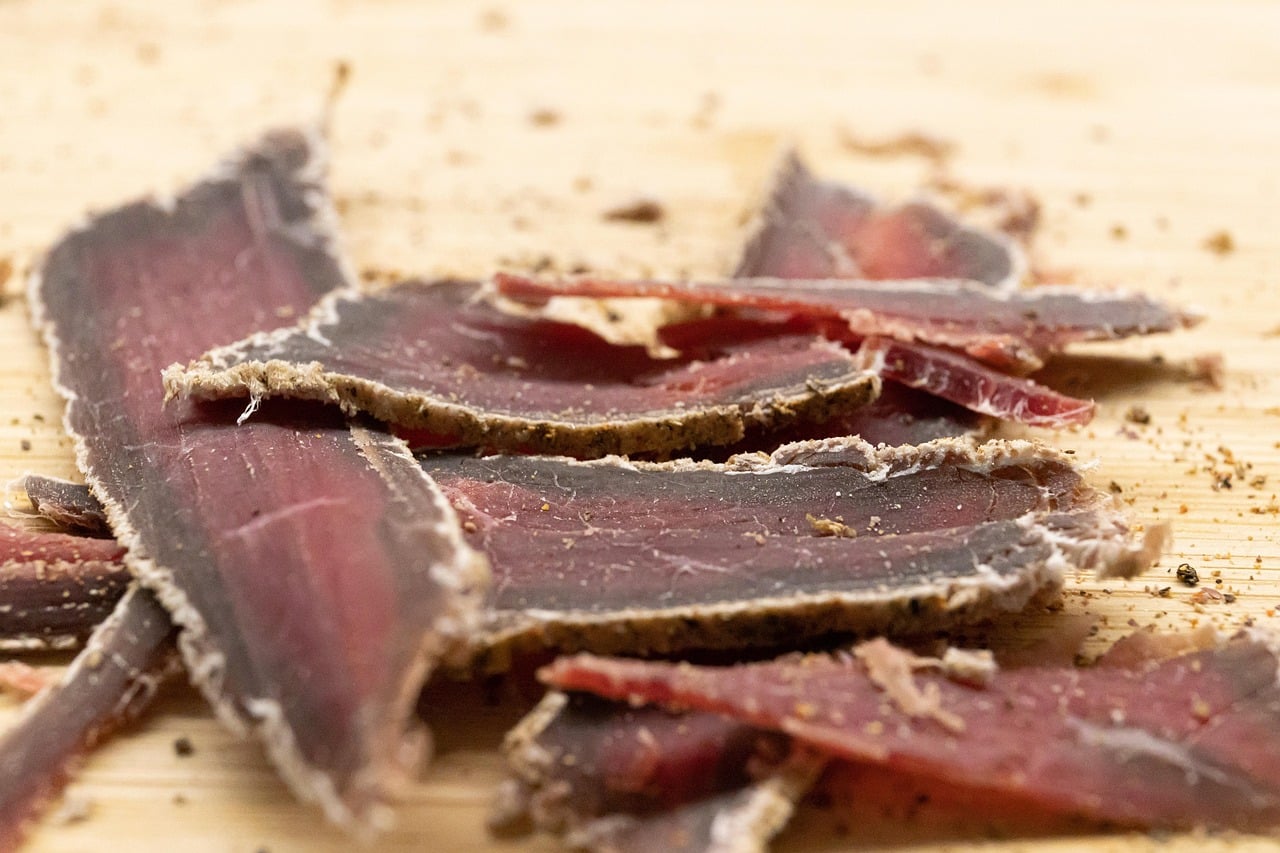

The Truth About “Shelf-Stable” Snacks and Jerky: Hidden Outbreak Risks
When we think of food recalls and outbreaks, the mind often jumps to frozen vegetables, deli meats, or leafy greens, not the shelf-stable snack that sits in a pantry for months. Yet “shelf-stable” snacks such as jerky, meat sticks, dried seafood, and protein bars carry their own set of hidden risks. According to the national food poisoning lawyer, Ron Simon, “These products are often marketed as safe to consume without refrigeration, but under certain conditions, they still can become vehicles for pathogens or other hazards. The risks are low overall, but when they occur, the consequences can be serious because the snacks are widely distributed and often consumed by vulnerable populations.” Understanding how these snacks can fail helps consumers, retailers, and manufacturers stay safer.
What “Shelf-Sstable” Really Means
The term “shelf-stable” in food safety means a product is designed to be safe at room temperature when unopened and stored under the conditions specified on the package (dry, out of direct sunlight, sealed). But shelf-stable is not synonymous with sterile. The product may still contain low numbers of microbes or toxins if the manufacturing process fails, or it may become unsafe if the package is compromised. For example, the HACCP Alliance’s model for “Heat Treated, Shelf-Stable” jerky and snack stick products states that even for products labelled shelf-stable, processors must establish “critical control points … to assure prevention, elimination, or reduction of hazards to acceptable levels.”
In the meat systems world, “shelf-stable” often depends on water activity (aw), salt content, and packaging integrity. According to jerky-industry guidance, when vacuum-packed jerky has a water activity value higher than 0.85 but below 0.91, the product may no longer be considered fully shelf-stable without refrigeration once opened.
This nuance means that just because a snack says it’s shelf-stable doesn’t mean it’s immune to contamination or pathogen growth under all conditions.
Why Shelf-Stable Snacks Are Still at Risk
Process failures
Even after drying or roasting, if the snack maker fails to kill pathogens or control moisture, pathogens like Salmonella, Listeria monocytogenes, or Staphylococcus aureus can survive or even grow post-production.
Post-processing contamination
Shelf-stable products can become contaminated after the kill step if equipment, packaging lines, or storage areas contain pathogens. For jerky, contact surface contamination has triggered recalls: in 2022, a Tennessee company recalled beef jerky after a third-party lab found Listeria monocytogenes on a processing surface (USDA.gov).
Storage conditions and packaging integrity
If the package is damaged, vacuum seal compromised, or storage conditions exceed recommended temperatures or humidity, shelf-stable status may degrade. Oxygen or moisture infiltration can allow contaminants to initiate growth. Jerky guidance documents stress verifying water activity and packaging integrity to ensure safety.
Supply chain reach and recall complexity
Because shelf-stable snacks are often distributed widely, travel nationally, and sit in pantries for months, the window of exposure is long. When a contamination event occurs, the product may already be in many homes, complicating recall effectiveness.
Examples of Shelf-Stable Snack Recalls and Hazard Signals
Recent cases illustrate how even shelf-stable items carry risks.
- Beef jerky and snack sticks (June 2025): The USDA’s FSIS announced recall of over 15,000 pounds of heat-treated, shelf-stable beef jerky/snack sticks because they contained undeclared anchovies, a fish allergen not listed on the label. Although this is an allergen issue rather than a pathogen, it demonstrates how shelf-stable status doesn’t exempt a product from recall.
- Beef jerky contaminated with Listeria (Sept 2022): Magnolia Provision Company recalled approximately 497 pounds of beef jerky due to Listeria monocytogenes contamination found via environmental testing. The product was vacuum-packed shelf-stable but still vulnerable.
- Historic dried meat outbreak (1983): The CDC’s review of carne seca-associated Salmonella outbreaks indicated that contaminated equipment and marinade was the vector.
These incidents demonstrate a pattern: despite being shelf-stable, these snacks are not immune to failures in processing, packaging, or storage.
Why Pathogens Matter in These Products
While snack bars and jerky usually have low moisture, their protein-rich nature and potential for contamination means pathogens pose real risk:
- Salmonella: Requires a low infectious dose in some susceptible individuals and persists if drying or seasoning fails.
- Listeria monocytogenes: Known to survive at low temperatures and multiple environments, making post-packaging contamination particularly dangerous in shelf-stable meats.
- Staphylococcus aureus: Toxin production can happen in warm, protein-rich environments, although many truly shelf-stable foods control growth by dryness.
- Clostridium perfringens: Typically associated with large warm meals, but portions could apply if snacks are rehydrated improperly or stored above safe temperatures.
For consumers, the problem is the hidden nature of risk: the snack may look normal, taste fine, have proper shelf-life dating, and yet still harbor a hazard due to production or distribution failure.
High-Risk Consumer Scenarios
Certain consumer behaviours amplify risks:
- Buying “bulk” or value packs of jerky and storing them for a very long time, especially in hot environments (garages, car trunks) where packaging may degrade.
- Consuming “exotic” or artisanal dried meats or snack sticks from small producers with less oversight or testing.
- Using shelf-stable meats in ready-to-eat contexts like hiking, camping, school lunches, or travel, where storage may exceed recommended conditions.
- Consumers who are pregnant, elderly, immunocompromised. While risk remains low in healthy adults, these groups face greater severity from the same exposure.
So the shelf-stable advantage, long shelf-life and portability, also mixes with invisibility of oversight and long distribution chains.
Manufacturing and Regulatory Perspectives
Manufacturers of shelf-stable snacks must address critical control points (CCPs) after the process. The HACCP model for shelf-stable jerky emphasizes: “They must establish CCP monitoring, corrective action, verification that the HACCP system is working correctly.”
Regulators classify many shelf-stable meat snacks as “ready-to-eat (RTE)” products. For instance, the FSIS public-health alert in March 2025 flagged certain vacuum-sealed RTE beef jerky stick products produced in May 2025 and shipped nationwide, even though they were still sealed and presumably safe.
These actions show regulators treat shelf-stable meats the same way they treat refrigerated or fresh RTE products: produced under control, but still vulnerable to contamination after processing.
Consumer Tips: What To Do When Buying and Storing Shelf-Stable Snacks
- Check packaging carefully: Look for damage, compromised seals, bulging, or vacuum loss.
- Store according to the label: Some jerky says “refrigerate after opening”; others may require cool, dry storage.
- Be cautious with date codes: A “best by” date is not a safety guarantee. If an unopened snack has been stored in hot conditions (e.g., car trunk, shed) for months, discard it.
- Avoid home-made or small-brand dried meats unless you trust their process: Ask if they monitor water activity, packaging integrity, and recall protocols.
- Check brand recall lists regularly: Snack items are frequently scattered by lot and distribution; holding onto receipts and being aware helps.
- Be extra cautious if you are pregnant, elderly, or immunocompromised: Even shelf-stable snacks may warrant avoidance or moderation in these groups.
Retailer and Food-Service Responsibilities
For retailers and food–service outlets (vending machines, concession stands, outdoor events) storing shelf-stable snacks:
- Rotate stock by lot date and discard any packages past recommended shelf-life.
- Store in clean, cool, dry, and well-ventilated space; avoid direct sunlight or high humidity.
- Monitor packaging damage during display or transport.
- Review supplier documentation: ask for water-activity levels, packaging integrity certifications, and recall history.
- Train staff to respond promptly when a recall is announced: segregate affected lots, notify relevant authorities, issue instructions to consumers if needed.
Supply Chain and Recall Challenges Specific to Shelf-Stable Snacks
When a snack is house-stable and widely distributed, tracking contaminated lots becomes more complex. Because products don’t need refrigeration, they may move through multiple distributors, online sales, export channels, even submarine propagation into overseas pantries. As a result:
- Consumers might not know they purchased affected lots if labeling is obscure or if brands change packaging.
- Recalls may take longer because products are scattered across geography and retail levels.
- Some smaller brands may not have robust recall tracking or consumer notification systems.
- Products with long shelf-life may remain in circulation at time of recall, increasing exposure period.
In the jerky Salmonella outbreaks and listeria recalls referenced earlier, most products had been in distribution for months before recall occurred. The effective window of exposure is therefore extended.
Why Snack Makers and Regulators Must Remain Vigilant
Snack manufacturers need to recognize that the same hazard pathways present in uncovered fresh foods, equipment contamination, inadequate thermal processing, environmental persistence, also apply to shelf-stable products. Because these snacks may remain on shelves or in pantries for months, the product has a long window during which a contamination event could impact consumers.
Regulators likewise need to ensure that manufacturers of shelf-stable products maintain documentation for critical controls, verify that many years-old shelf-life claims still reflect current processing standards, and that recall systems are rapid and transparent.
Key takeaways for consumers, retailers, manufacturers
- Shelf-stable does not mean risk-free: products can fail when any link in the production or distribution chain breaks.
- High-volume snack items that travel nationwide amplify exposure potential when a problem emerges.
- Vulnerable populations deserve extra caution. Though risks are small, the magnitude of consumption and distribution means small odds can still yield large numbers of exposures.
- Good storage and inspection are simple but effective. A damaged seal, long storage in hot environments, or failure to rotate stock increases risk.
- Recalls of shelf-stable snacks may be less obvious to consumers because the product may sit in pantries for long periods, making vigilance and label checking important.
Analysis & Next Steps
What’s new: Recent recall activity continues to underscore that shelf-stable snacks like jerky, meat sticks, and bars are not immune from contamination, mislabeling, or allergen issues. Notably, in June 2025, more than 15,000 pounds of heat-treated shelf-stable beef jerky/snack sticks were recalled due to undeclared fish allergen.
Why it matters: Shelf-stable snacks often feel safer because they don’t require refrigeration and are widely marketed as portable convenient foods. That perception can lead to under-estimating hazard potential. Because these snacks have broad distribution, a failure in processing or packaging can affect large consumer groups before detection. Pathogens may not grow in large numbers in very dry snacks, but post-process contamination and storage failures still cause risk.
Who’s affected: All snack consumers, but especially those who store large quantities long-term, buy from small artisanal producers, consume exotic dried meats, or are in vulnerable health categories (pregnancy, older age, immunocompromised). Retailers and food-service vendors selling shelf-stable snacks face supply-chain and recall liabilities. Manufacturers of these products need strong quality-control and rapid traceability.
What to do now:
- Consumers: Inspect packaging for damage, check date codes, verify storage conditions, avoid buying large stockpiles of unfamiliar brands, and be especially cautious if you belong to a vulnerable group.
- Retailers: Ensure proper storage (cool, dry, away from direct heat), rotate stock by date, inspect packaging regularly, and keep supplier documentation of processing controls and recalls.
- Manufacturers: Conduct rigorous HACCP plans focused on water activity, microbial kill step validation, packaging integrity testing, and shelf-life verification. Be prepared with clear recall protocols and transparent communication.
- Regulators and watch-dogs: Maintain oversight of small‐batch producers of dried snacks, strengthen recall systems for products that may be in homes for extended periods, and ensure consumer awareness campaigns include shelf-stable snack items, not just fresh produce or refrigerated goods.
Final Note
Shelf-stable snacks and jerky may be convenient, portable, and inviting, but they come with subtle food-safety traps. A snack that sits in your pantry for months may look harmless, but if the processing, packaging, storage or supply chain failed: the consequences may be worse than for a fresh item thrown out quickly.
By treating shelf-stable snacks with the same respect we give fresh perishable foods, inspecting packaging, storing properly, rotating stock, and staying alert for recalls, we keep convenience from turning into risk. Use your pantry wisely, read labels, and don’t assume “non-refrigerated = safe without question.” With a few minutes of care, your snacks stay snacks, and never become something harder to swallow.
