
Close Menu
  • Food Poisoning
    • Symptoms
    • Prevention
    • Treatment
    • Causes
  • Pathogens
    • Botulism
    • Campylobacter
    • E. coli
    • Cyclospora
    • Norovirus
    • Hepatitis A
    • Salmonella
    • Listeria
    • Shigella
  • Food Safety
    • How to wash your hands
    • Food Safty And The Holidays
  • Legal
    • Can I sue for Food Poisoning?
    • E. coli Lawyer
      • E. coli Lawsuit
    • Salmonella Lawyer
      • Salmonella Lawsuit
    • Botulism Lawyer
    • Cyclospora Lawyer
    • Shigella Lawyer
    • Hepatitis A Lawyer
  • Outbreaks and Recalls
  • Connect With A Lawyer
What's Hot

Resolve to Be Safe: How Food Safety Completes Your Healthy New Year’s Journey

January 2, 2026

Winter Food Recalls: Patterns, Drivers, and What They Mean for Consumers

January 2, 2026

Start the Year Safe: Understanding the Causes and Dangers of Listeria, Salmonella, and E. coli

January 2, 2026
Facebook X (Twitter) Instagram
Facebook X (Twitter) YouTube
  • About
  • Contact Us
Food Poisoning NewsFood Poisoning News
  • Home
  • Food Poisoning
    • What is Food Poisoning?
      • Symptoms
      • Causes
      • Prevention
      • Treatment
      • Statistics
    • Pathogens
      • Botulism
      • Campylobacter
      • E. coli
      • Hepatitis A
      • Shigella
      • Norovirus
      • Salmonella
      • Cyclospora
      • Listeria
  • Food Safety
    • How to wash your hands
    • Food Safty And The Holidays
  • Legal
    • Salmonella Lawyer
      • Salmonella Lawsuit
    • E. coli Lawyer
      • E. coli Lawsuit
    • Cyclospora Lawyer
    • Shigella Lawyer
    • Hepatitis A Lawyer
    • Botulism Lawyer
  • Outbreaks and Recalls
Food Poisoning NewsFood Poisoning News
Home»Featured»The Unique Qualities of Cucumbers that Make Them So Susceptible to Carrying Salmonella: Cucumbers and Salmonella Outbreaks Ongoing in the United States
The Unique Qualities of Cucumbers that Make Them So Susceptible to Carrying Salmonella: Cucumbers and Salmonella Outbreaks Ongoing in the United States
Featured

The Unique Qualities of Cucumbers that Make Them So Susceptible to Carrying Salmonella: Cucumbers and Salmonella Outbreaks Ongoing in the United States

McKenna Madison CovenyBy McKenna Madison CovenyDecember 1, 2024Updated:December 3, 2024No Comments3 Mins Read
Share
Facebook Twitter LinkedIn Pinterest Email Reddit

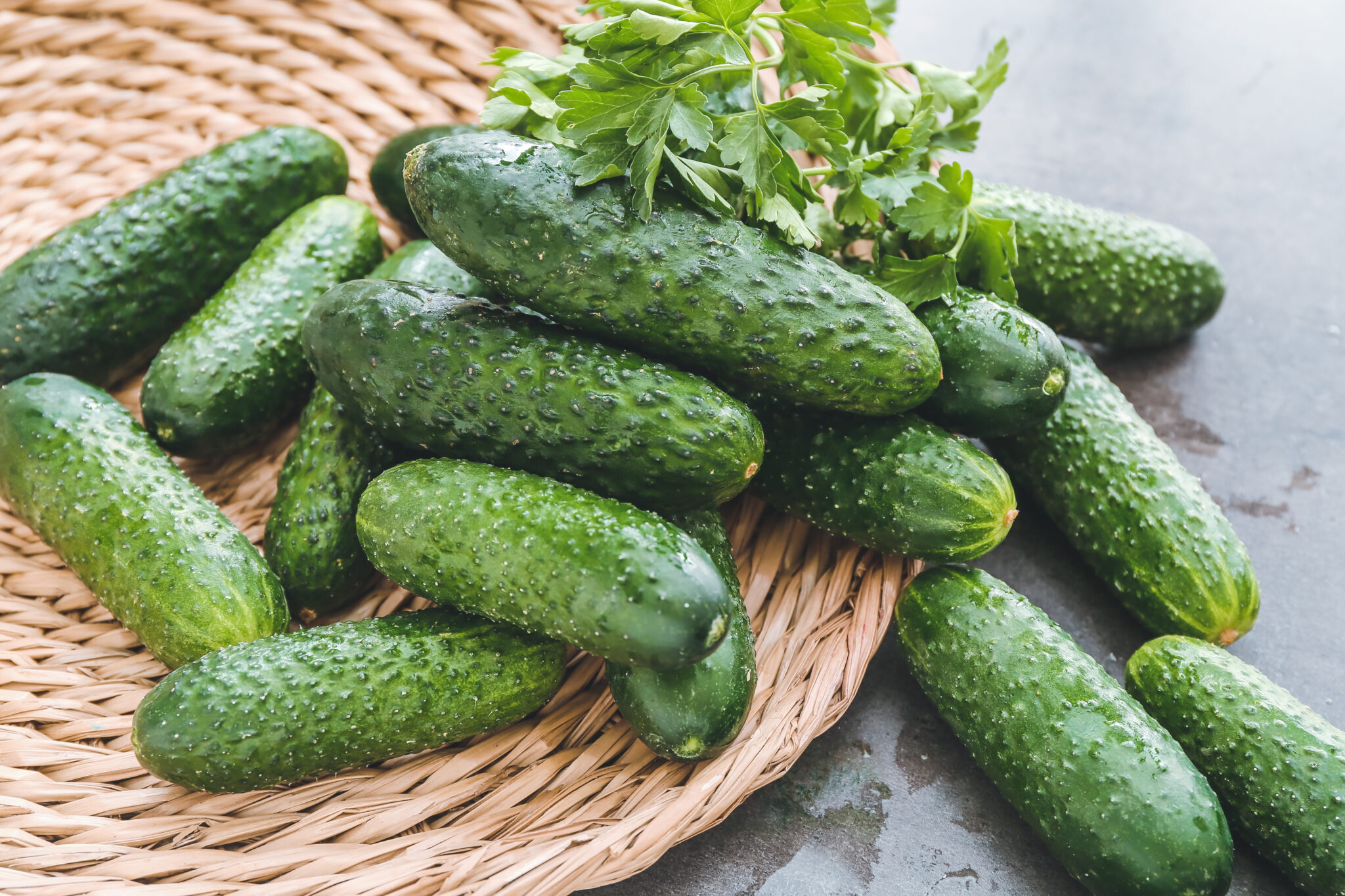
Cucumbers, a staple in many diets due to their refreshing taste and nutritional benefits, have been implicated in multiple Salmonella outbreaks in the United States. Their unique characteristics, from cultivation practices to structural features, contribute to their susceptibility to contamination. Understanding these factors is crucial for enhancing food safety measures and preventing future outbreaks.

Recent Salmonella Outbreaks Linked to Cucumbers

In recent years, the U.S. has experienced several Salmonella outbreaks associated with cucumbers:

  • June 2024 Outbreak: The FDA and CDC investigated a multistate outbreak of Salmonella Africana and Salmonella Braenderup infections, resulting in nearly 600 illnesses across 34 states between March 11, 2024, to July 26, 2024
  • November 2024 Recall: SunFed Produce recalled whole fresh cucumbers sold between October 12 and November 26 due to potential Salmonella contamination. This recall affected 26 U.S. states and parts of Canada. So far, 19 states have been impacted, with nearly 70 confirmed victims.

Factors Contributing to Susceptibility

  1. Cultivation and Harvesting Practices: Cucumbers are often grown in close proximity to livestock or irrigated with untreated water, increasing the risk of contamination. For instance, untreated canal water used by a Florida grower was identified as a likely source of a Salmonella outbreak. AP News
  2. Surface Characteristics: The skin of cucumbers can harbor bacteria, especially if not washed properly. Their porous surface provides niches where pathogens like Salmonella can reside, making thorough cleaning challenging.
  3. Post-Harvest Handling: Improper handling, such as inadequate washing and sanitization, can lead to cross-contamination. The practice of waxing cucumbers to preserve freshness can also trap bacteria, complicating removal efforts.
  4. Supply Chain Complexity: Cucumbers often travel long distances from farms to consumers, passing through multiple hands. This extended supply chain increases the chances of contamination at various points, especially if proper hygiene practices are not maintained.

Preventive Measures

To mitigate the risk of Salmonella contamination in cucumbers, the following measures are recommended:

  • Good Agricultural Practices (GAPs): Farmers should implement GAPs, including using treated irrigation water and maintaining proper sanitation facilities for workers.
  • Proper Washing: Consumers should wash cucumbers thoroughly under running water before consumption, even if they plan to peel them, to reduce surface bacteria.
  • Refrigeration: Storing cucumbers at appropriate temperatures can slow bacterial growth, enhancing safety.
  • Consumer Awareness: Educating the public about the importance of washing produce and recognizing symptoms of foodborne illnesses can aid in early detection and prevention.

Should We Still Eat Cucumbers?

The recurring association of cucumbers with Salmonella outbreaks underscores the need for stringent safety protocols from farm to table. By addressing the unique factors that make cucumbers susceptible to contamination and implementing comprehensive preventive measures, the risk of future outbreaks can be significantly reduced. According to the national salmonella lawyer, Ron Simon, “this begins simply by testing ground water, preventing fecal matter from spreading into growing fields, adn then consumers diligently washing all cucumbers before cutting or pealing them.”

Share. Facebook Twitter Pinterest LinkedIn Tumblr Email
Avatar photo
McKenna Madison Coveny

Related Posts

Start the Year Safe: Understanding the Causes and Dangers of Listeria, Salmonella, and E. coli

January 2, 2026

Winter Break Disruptions: How Travel, Routine Changes, and Shared Spaces Increase Food Poisoning Risk

December 28, 2025

What Food Labels Really Tell You About Food Poisoning Risk

December 28, 2025

When Symptoms Don’t Match the Meal: Why Food Poisoning Is So Hard to Diagnose

December 28, 2025
Add A Comment
Leave A Reply Cancel Reply

Attorney Advertisement
Ron Simon

Subscribe to Updates

Get the latest food safety recall, outbreak, & investigation news.

Latest Posts

Resolve to Be Safe: How Food Safety Completes Your Healthy New Year’s Journey

January 2, 2026

Winter Food Recalls: Patterns, Drivers, and What They Mean for Consumers

January 2, 2026

Start the Year Safe: Understanding the Causes and Dangers of Listeria, Salmonella, and E. coli

January 2, 2026

Food Poisoning News is a website devoted to providing you with the most current information on food safety, dangerous pathogens, food poisoning outbreaks and outbreak prevention, and food poisoning litigation.

We're social. Connect with us:

Facebook X (Twitter) YouTube
Latest Posts

Resolve to Be Safe: How Food Safety Completes Your Healthy New Year’s Journey

January 2, 2026

Winter Food Recalls: Patterns, Drivers, and What They Mean for Consumers

January 2, 2026

Start the Year Safe: Understanding the Causes and Dangers of Listeria, Salmonella, and E. coli

January 2, 2026
Get Informed

Subscribe to Updates

Get the latest food safety recall, outbreak, & investigation news.

Facebook X (Twitter) YouTube
  • Home
© 2026 Food Poisoning News. Sponsored by Ron Simon & Associates a Houston, TX law firm. Powered by ArmaVita.
Our website and content are for informational purposes only. Food Poisoning News does not provide legal advice, medical advice, diagnosis, or treatment.

Type above and press Enter to search. Press Esc to cancel.