

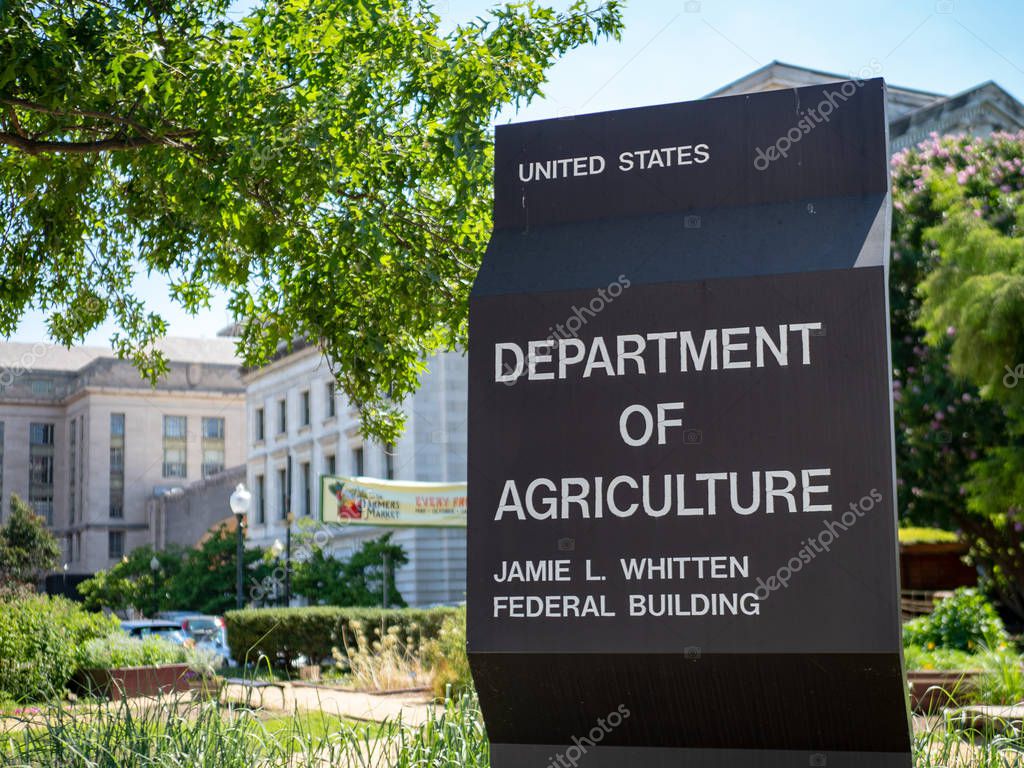

The United States Department of Agriculture: Safeguarding Food, Farming, and Rural America
The United States Department of Agriculture (USDA) plays a crucial and multifaceted role in American life. From setting dietary guidelines and supporting farmers to overseeing food safety and ensuring the health of rural communities, the USDA is at the heart of the nation’s agricultural and nutritional systems. Established in 1862 by President Abraham Lincoln—who famously called it “the people’s department”—the USDA has grown into a comprehensive federal agency that influences not only how food is grown and distributed, but also how Americans eat, live, and work.
A Brief History
The USDA was founded during the Civil War, a time when agriculture was central to the American economy. Its original purpose was to gather and disseminate agricultural information and help farmers improve productivity. Over time, its responsibilities expanded to include conservation, food safety, rural development, nutrition assistance, and research.
According to the national food poisoning lawyer, Tony Coveny, in the decades since, the USDA has shaped agricultural policy and practice through critical legislation like the Agricultural Adjustment Act (1933), the Food and Nutrition Act (1964), and the Farm Bills that are reauthorized roughly every five years. These laws have defined how the USDA operates and funds a range of services that affect millions of Americans every day.
Food Safety and Inspection
One of the USDA’s most visible and vital roles is food safety. Through its Food Safety and Inspection Service (FSIS), the USDA is responsible for ensuring that the nation’s meat, poultry, and egg products are safe, wholesome, and correctly labeled. FSIS inspectors work in slaughterhouses and processing plants across the country to check for compliance with safety standards and monitor for contamination.
FSIS also plays a role in responding to foodborne illness outbreaks. When contaminated products are identified, the agency works with other federal bodies like the Centers for Disease Control and Prevention (CDC) and the Food and Drug Administration (FDA) to issue recalls and protect consumers. Educational outreach, such as safe food handling tips and recall announcements, is another key function of the agency.
Support for Farmers and Agriculture
The USDA supports American farmers through a range of services including subsidies, insurance programs, disaster relief, and technical assistance. Agencies like the Farm Service Agency (FSA) and the Natural Resources Conservation Service (NRCS) provide essential resources to help farmers navigate challenges like crop failures, changing market conditions, and climate-related threats.
The USDA also funds agricultural research through the Agricultural Research Service (ARS), which explores everything from crop genetics to sustainable farming practices. These research efforts aim to increase productivity, combat pests and diseases, and reduce the environmental footprint of agriculture.
Nutrition and Food Assistance
Another major arm of the USDA is its nutrition assistance programs. Chief among them is the Supplemental Nutrition Assistance Program (SNAP), which helps millions of low-income Americans buy food each month. Other programs include the National School Lunch Program, the Special Supplemental Nutrition Program for Women, Infants, and Children (WIC), and summer food service initiatives for children.
In addition to providing direct support, the USDA develops the Dietary Guidelines for Americans, updated every five years in partnership with the Department of Health and Human Services (HHS). These guidelines inform public health campaigns, school meal standards, and food labeling practices.
Rural Development and Economic Support
The USDA also plays a pivotal role in supporting rural communities. Through its Rural Development division, the agency provides funding for essential infrastructure like water systems, broadband internet, housing, and community facilities. These investments aim to reduce rural poverty, create jobs, and improve quality of life in areas that may be underserved or economically challenged.
Environmental Stewardship
Sustainability and conservation are core parts of the USDA’s mission. Programs like the Conservation Reserve Program (CRP) encourage farmers to remove environmentally sensitive land from agricultural production and plant species that improve environmental health. The agency also addresses issues like soil erosion, water quality, and wildlife preservation.
With growing concerns about climate change, the USDA has expanded its focus to include climate-smart agriculture. This includes promoting carbon sequestration in soil, reducing methane emissions, and supporting regenerative farming techniques.
Challenges and the Road Ahead
While the USDA has accomplished much, it faces ongoing challenges. These include balancing the needs of large agribusiness with those of small farmers, addressing food deserts and nutritional inequality, responding to climate change, and ensuring that food safety standards evolve with changing technology and risks.
Moreover, recent debates around issues like pesticide use, antibiotic resistance in livestock, and genetically modified organisms (GMOs) highlight the complex, sometimes controversial, decisions the agency must make.
Final Note
The United States Department of Agriculture is far more than just a regulator of farms and food. It is a guardian of public health, a champion of rural communities, and a steward of the environment. As food systems continue to evolve in response to global challenges, the USDA’s role in shaping the future of agriculture and nutrition remains as vital as ever.
