


Time and Temperature: The Invisible Science That Keeps Food Safe
In every kitchen—whether a school cafeteria, a busy restaurant, or a quiet home—the rhythm of cooking appears simple: heat the food, cool the leftovers, store everything neatly, and trust the process. But beneath the comforting routine lies one of the most intricate and crucial elements of food safety: controlling time and temperature. These two forces shape the fate of every perishable food item, determining whether it nourishes or harms the people who eat it. For most of us, time and temperature feel abstract, like rules we follow simply because recipes or safety guidelines tell us to. But in reality, they form the backbone of modern food protection.
Food poisoning often begins long before a meal is served. Harmful bacteria don’t appear suddenly; they grow slowly, silently, and predictably, following scientific patterns that researchers have studied for decades. Understanding those patterns is the foundation of time-temperature control. It’s a system built on the knowledge of how microorganisms behave under certain conditions, and more importantly, how we can stop them.
The starting point of this science is the “temperature danger zone,” the range between 41°F and 135°F. Within this window, bacteria thrive, multiplying rapidly and quietly. If food spends too long in this range, the risk increases exponentially. This is why safety guidelines emphasize specific numbers—not because they are convenient, but because they represent the edge of microbial reality. Bacteria don’t care whether a kitchen is busy, whether a cook is rushed, or whether a refrigerator door was left ajar for just a moment. They simply react to the conditions around them.
When hot food cools, it enters the danger zone and becomes vulnerable. The cooling process seems simple—place leftovers in the refrigerator and walk away—but cooling safely requires precise attention. Large pots of soup or sauces take hours to drop in temperature, staying in that microbial growth zone far too long if not handled correctly. The safe cooling guideline exists because bacteria can double in number every twenty minutes under the right conditions. If a food item takes several hours to cool, it offers bacteria the perfect window to grow.
This is why proper cooling follows a two-step pattern: food should reach 70°F within two hours, and then drop to 41°F within the next four. These numbers are not arbitrary. They represent the thresholds at which bacterial growth slows significantly. Restaurants and food service operations invest heavily in shallow pans, ice baths, blast chillers, and portioning methods to ensure food cools quickly. At home, the risks are the same; leftover chili or stew in a deep pot can take dangerously long to cool properly. Most people don’t realize how long thick foods retain heat, trapping warmth deep inside even after the exterior feels cold.
Reheating food is equally important. Many people assume that warming leftovers until they “look hot” is good enough. But appearance doesn’t kill bacteria—temperature does. When food is reheated, it needs to reach at least 165°F to ensure any bacteria that survived cooling are destroyed. Partial reheating or slow warming may bring parts of the food into the danger zone long enough for bacteria to flourish without reaching the temperature needed to eliminate them. It’s a delicate balance: heat long enough to kill pathogens but avoid creating an extended period where bacteria can multiply.
Hot holding presents its own challenges. Restaurants commonly place foods under warming lamps or in steam tables, maintaining them above 135°F. If these temperatures dip, even slightly, bacteria can begin multiplying again. This is why buffets, cafeterias, and catered events require constant monitoring. Food left on counters during family gatherings or parties often unintentionally sits within the danger zone for hours as people graze. It can happen easily: dips, casseroles, meat platters, and even items like rice or potatoes—foods that seem harmless—can become breeding grounds when kept warm for too long.
Cold storage has its own set of rules. Refrigerators slow bacterial growth but don’t stop it entirely. Storing food below 41°F buys time but doesn’t eliminate risk. If food spends too long in the refrigerator, especially if it entered at a higher temperature, bacteria can still reach harmful levels. Freezing stops bacterial growth but does not kill all bacteria, which is why frozen foods must be handled carefully once thawed. Thawing at room temperature is one of the most common time-temperature mistakes in home kitchens. Leaving meat on the counter for hours gives bacteria the opportunity to grow on the outer layers while the inside remains frozen, creating a dangerous imbalance.
Beyond individual kitchens, time and temperature control power the entire food system. Transportation trucks must maintain strict temperatures during long hauls. Grocery stores monitor cold cases constantly. Production plants rely on precise heating, cooling, and pasteurization processes to ensure mass-produced foods remain safe. Every step—from farm to facility to store shelf—depends on maintaining temperatures that protect consumers. A few hours of improper storage anywhere along that chain can lead to far-reaching consequences.
What makes time and temperature so fascinating is how quietly influential they are. They shape every moment food exists, but they do so invisibly. When cooked foods are cooled properly, when leftovers are reheated thoroughly, when raw ingredients stay cold enough—nothing dramatic happens. The meal tastes the same, looks the same, and no one gets sick. The success of time-temperature control is measured not by what we notice, but by what we never experience.
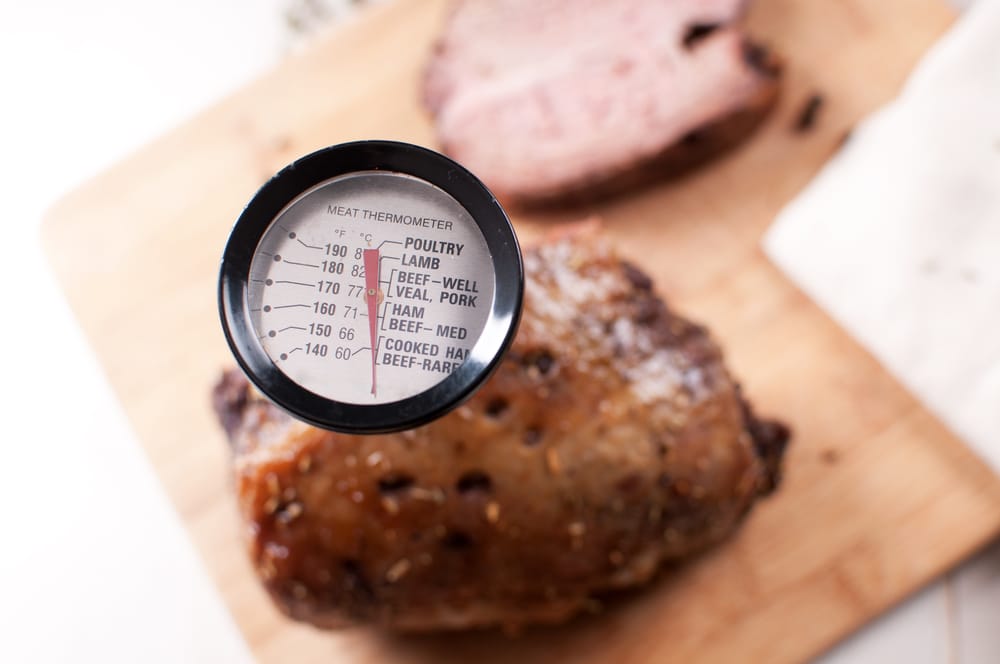
Yet this system relies on awareness. Even small lapses can undo the entire process. A fridge packed too tightly restricts airflow and prevents cooling. A thermometer that isn’t used can lead to guesswork. A slow cooker left on warm for too long creates a prolonged danger zone. The responsibility falls on everyone—from professional chefs to parents cooking dinner—to understand the unseen science shaping food safety.
The most reassuring part of all this is that controlling time and temperature isn’t difficult once the principles are understood. It doesn’t require specialized equipment or complex techniques. It simply requires attention: cooling foods in shallow containers, reheating thoroughly, storing at the right temperatures, and avoiding prolonged exposure to the danger zone. These straightforward steps create powerful barriers against bacteria.
The beauty of food safety lies in how simple practices create massive protection. Even though the science of bacterial growth is complex, the actions needed to stop it are refreshingly practical. And once someone understands why the rules matter—not just what the rules are—the kitchen becomes a safer and more confident place.
Time and temperature might feel like abstract concepts, but they form the invisible heartbeat of food safety. Every safe meal, every holiday dish, every restaurant entrée depends on those two forces working in harmony. When they are controlled, meals nourish. When they slip, the risks rise. Understanding this relationship doesn’t just make cooking safer—it makes it smarter, calmer, and far more intentional. In the end, the most powerful food safety tools aren’t flashy or dramatic. They are simple, steady, and always present—quietly protecting every meal from the moment the first ingredient is touched to the moment the last plate is cleaned.
