
Close Menu
  • Food Poisoning
    • Symptoms
    • Prevention
    • Treatment
    • Causes
  • Pathogens
    • Botulism
    • Campylobacter
    • E. coli
    • Cyclospora
    • Norovirus
    • Hepatitis A
    • Salmonella
    • Listeria
    • Shigella
  • Food Safety
    • How to wash your hands
    • Food Safty And The Holidays
  • Legal
    • Can I sue for Food Poisoning?
    • E. coli Lawyer
      • E. coli Lawsuit
    • Salmonella Lawyer
      • Salmonella Lawsuit
    • Botulism Lawyer
    • Cyclospora Lawyer
    • Shigella Lawyer
    • Hepatitis A Lawyer
  • Outbreaks and Recalls
  • Connect With A Lawyer
What's Hot

Neurolisteriosis: Why Listeria Monocytogenes Causes Meningitis and Encephalitis

January 19, 2026

Back-to-School Food Risks: How Lunch Packing, Cafeterias, and Shared Spaces Increase Food Poisoning

January 14, 2026

Campylobacter Infection: Where It Comes From and Why It’s One of the Most Common Foodborne Illnesses

January 14, 2026
Facebook X (Twitter) Instagram
Facebook X (Twitter) YouTube
  • About
  • Contact Us
Food Poisoning NewsFood Poisoning News
  • Home
  • Food Poisoning
    • What is Food Poisoning?
      • Symptoms
      • Causes
      • Prevention
      • Treatment
      • Statistics
    • Pathogens
      • Botulism
      • Campylobacter
      • E. coli
      • Hepatitis A
      • Shigella
      • Norovirus
      • Salmonella
      • Cyclospora
      • Listeria
  • Food Safety
    • How to wash your hands
    • Food Safty And The Holidays
  • Legal
    • Salmonella Lawyer
      • Salmonella Lawsuit
    • E. coli Lawyer
      • E. coli Lawsuit
    • Cyclospora Lawyer
    • Shigella Lawyer
    • Hepatitis A Lawyer
    • Botulism Lawyer
  • Outbreaks and Recalls
Food Poisoning NewsFood Poisoning News
Home»Helpful Articles»Undercooked Exotic Meats and the Parasite Risks of Trichinellosis and Toxoplasmosis
Undercooked Exotic Meats and the Parasite Risks of Trichinellosis and Toxoplasmosis
Helpful Articles

Undercooked Exotic Meats and the Parasite Risks of Trichinellosis and Toxoplasmosis

Kit RedwineBy Kit RedwineMay 12, 2025No Comments3 Mins Read
Share
Facebook Twitter LinkedIn Pinterest Email Reddit

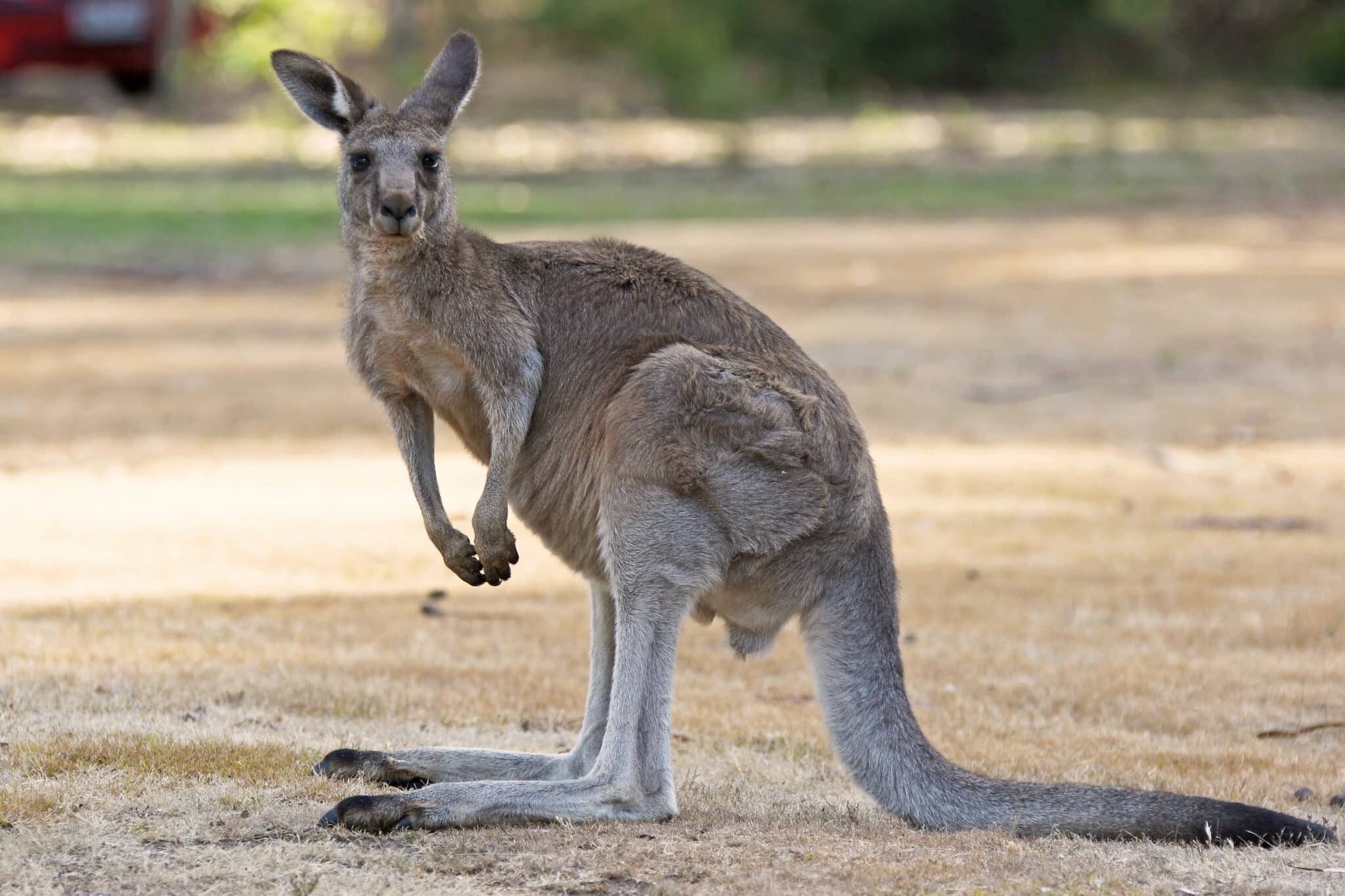
The consumption of exotic meats, such as kangaroo and alligator, has gained popularity due to culinary curiosity and perceived health benefits. However, undercooked preparations of these meats pose significant risks of parasitic infections, which vary depending on the species, processing practices, and regional hygiene standards.  

Parasitic Risks in Exotic Meats  

  1. Trichinellosis – Caused by Trichinella roundworms, this infection occurs when larvae encysted in undercooked muscle tissue are ingested. While historically linked to pork, wild game meats like bear, wild boar, and walrus are now primary sources in regions such as the U.S. and Europe.  Certain Trichinella species, such as T. papuae, infect reptiles, including crocodiles, highlighting risks in undercooked alligator or crocodile meat.   
  2. Toxoplasmosis – The protozoan Toxoplasma gondii can infect kangaroo meat, as evidenced by a 1994 Australian outbreak where undercooked kangaroo meat caused 14 cases, including congenital transmission to a newborn.  T. gondii cysts in muscle tissue remain infectious if not destroyed by thorough cooking, posing long-term health risks such as neurological damage and vision loss.   
  3. Bacterial Contamination – Kangaroo meat processing has been associated with high rates of Salmonella and E. coli contamination. Studies in Australia found up to 44.9% of exported kangaroo meat samples contaminated with Salmonella.  Improper field dressing, unregulated storage, and inadequate hygiene during processing contribute to these risks.   

Prevention and Mitigation  

  • Cooking Temperatures – Heating meat to internal temperatures of 160°F for pork and 165°F for game birds or reptiles ensures parasite inactivation.  Freezing pork at 5°F for 20 days kills Trichinella, but this method is ineffective for freeze-resistant species in wild game.   
  • Hygiene Practices – Proper handling, including washing utensils and hands after contact with raw meat, reduces cross-contamination.  Meat grinders used for multiple species require rigorous cleaning to prevent residual parasite transmission.   
  • Regulatory Gaps – Australia does not mandate testing for T. gondii in kangaroo meat, relying instead on export processors to self-monitor pathogens like Salmonella.  Similarly, traditional preservation methods like smoking or curing do not reliably eliminate parasites.   

Public Health Implications  

Global trade in exotic meats necessitates stricter oversight. For example, Russia banned kangaroo imports due to repeated contamination findings, while the EU depends on Australian safety certifications without routine testing.  Consumers of exotic meats should prioritize verified sourcing and adhere to cooking guidelines to mitigate infection risks.  

While exotic meats offer diverse culinary experiences, their preparation requires heightened vigilance to avoid parasitic and bacterial pathogens. Public health measures, including improved processing standards and consumer education, remain critical to reducing foodborne illness associated with these products.

Share. Facebook Twitter Pinterest LinkedIn Tumblr Email
Avatar photo
Kit Redwine

Related Posts

How Long Do Foodborne Bacteria Survive on Kitchen Surfaces—and Why Cleaning Isn’t Always Enough

January 14, 2026

Norovirus: What You Need to Know About the Highly Contagious “Stomach Bug”

January 8, 2026

A Rising Tide of Risk: Navigating the Hidden Dangers in Raw Seafood

December 30, 2025

The Hidden Journey Bacteria Through Modern Food Processing

December 28, 2025
Add A Comment
Leave A Reply Cancel Reply

Attorney Advertisement
Ron Simon

Subscribe to Updates

Get the latest food safety recall, outbreak, & investigation news.

Latest Posts

Neurolisteriosis: Why Listeria Monocytogenes Causes Meningitis and Encephalitis

January 19, 2026

Back-to-School Food Risks: How Lunch Packing, Cafeterias, and Shared Spaces Increase Food Poisoning

January 14, 2026

What Foods Are Most Likely to Carry Salmonella—and Why Contamination Happens So Easily

January 14, 2026

Food Poisoning News is a website devoted to providing you with the most current information on food safety, dangerous pathogens, food poisoning outbreaks and outbreak prevention, and food poisoning litigation.

We're social. Connect with us:

Facebook X (Twitter) YouTube
Latest Posts

Neurolisteriosis: Why Listeria Monocytogenes Causes Meningitis and Encephalitis

January 19, 2026

Back-to-School Food Risks: How Lunch Packing, Cafeterias, and Shared Spaces Increase Food Poisoning

January 14, 2026

What Foods Are Most Likely to Carry Salmonella—and Why Contamination Happens So Easily

January 14, 2026
Get Informed

Subscribe to Updates

Get the latest food safety recall, outbreak, & investigation news.

Facebook X (Twitter) YouTube
  • Home
© 2026 Food Poisoning News. Sponsored by Ron Simon & Associates a Houston, TX law firm. Powered by ArmaVita.
Our website and content are for informational purposes only. Food Poisoning News does not provide legal advice, medical advice, diagnosis, or treatment.

Type above and press Enter to search. Press Esc to cancel.