

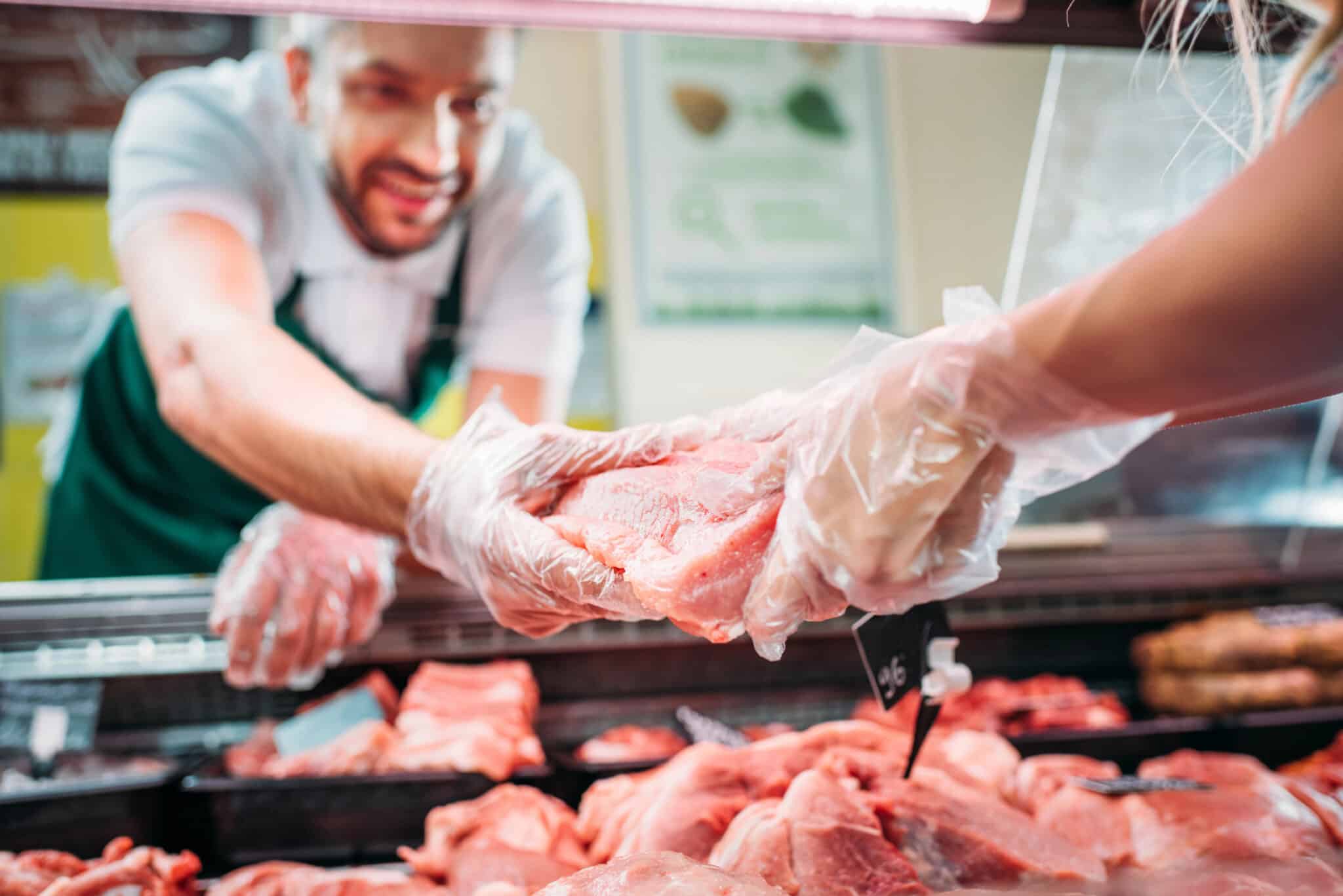

Undercooked Meats Should Never be the Source of Food Poisoning
Eating undercooked or raw meat is one of the leading causes of food poisoning worldwide, even though it is something that should never happen. While certain types of meat, such as steak, can be consumed (internally) rare with proper handling, other meats like poultry, pork, lamb, and ground beef should always be cooked thoroughly to kill harmful bacteria. Failing to cook meat to safe internal temperatures can lead to serious foodborne illnesses, caused by pathogens like Salmonella, Escherichia coli (E. coli), Campylobacter, and Listeria monocytogenes. Understanding the dangers of undercooked meat and the precautions necessary to prevent food poisoning is critical for maintaining health and safety in the kitchen.
Common Pathogens Found in Undercooked Meat
Different types of bacteria and parasites can be present in raw or undercooked meat, posing a serious health risk if consumed. The following are some of the most common culprits:
- Salmonella: Often associated with poultry and eggs, Salmonella is one of the most prevalent causes of food poisoning. It can lead to symptoms like diarrhea, abdominal cramps, fever, and vomiting. According to the Centers for Disease Control and Prevention (CDC), salmonellosis affects around 1.35 million people in the U.S. annually.
- E. coli: Typically found in ground beef, E. coli can cause severe stomach cramps, diarrhea (often bloody), and vomiting. In more serious cases, it can lead to hemolytic uremic syndrome (HUS), a potentially life-threatening condition that affects the kidneys.
- Campylobacter: Another bacterium frequently found in undercooked poultry, Campylobacter is a leading cause of bacterial food poisoning. Symptoms include fever, diarrhea (sometimes bloody), nausea, and vomiting, with the illness typically lasting around a week.
- Trichinella: A parasitic worm found in undercooked pork or wild game, Trichinella causes trichinosis, a condition that leads to gastrointestinal symptoms followed by muscle pain, fever, and swelling around the eyes. While cases of trichinosis have decreased significantly due to improved food handling practices, the risk remains when consuming raw or improperly cooked meat.
Health Risks and Symptoms of Food Poisoning
The symptoms of food poisoning from undercooked meat can vary in severity, depending on the pathogen involved. In mild cases, individuals may experience nausea, diarrhea, and stomach cramps that resolve within a few days. However, for more severe infections, such as those caused by E. coli or Salmonella, symptoms can become life-threatening if not treated. In addition to gastrointestinal distress, severe dehydration, kidney damage, and even death can occur in vulnerable populations such as the elderly, young children, and people with weakened immune systems.
In pregnant women, Listeria—another pathogen that can be present in undercooked meats—poses a unique threat. Listeriosis can lead to miscarriage, stillbirth, or severe infection in newborns. For this reason, pregnant women are advised to avoid consuming undercooked or deli meats and ensure all meats are thoroughly heated.
Preventing Food Poisoning from Undercooked Meat
To minimize the risk of food poisoning from undercooked meat, it is essential to follow safe cooking practices. Here are several key precautions:
- Use a Meat Thermometer: A meat thermometer is the most reliable way to ensure that meat has reached a safe internal temperature. Poultry should be cooked to an internal temperature of 165°F (74°C), ground beef to 160°F (71°C), and pork to 145°F (63°C) with a rest time of three minutes.
- Reheat Leftovers Thoroughly: Leftovers should be reheated to steaming hot temperatures (165°F) to ensure that any lingering bacteria are killed. Avoid eating cold meats directly from the refrigerator unless they are pre-cooked and labeled as ready-to-eat.
- Buy Meat from Reputable Sources: Purchase meat from stores or vendors that follow strict food safety protocols. Look for packaging that is properly sealed and avoid meat that appears discolored, smells off, or has an unusual texture.
- Be Cautious with Ground Meat: Ground meat is more prone to bacterial contamination because the grinding process can mix bacteria from the surface of the meat throughout the entire product. Always cook ground beef, pork, and poultry thoroughly to the recommended internal temperatures.
Conclusion
The risks of food poisoning from undercooked meat are significant and can have severe health consequences. By adhering to safe cooking practices—such as using a meat thermometer, avoiding cross-contamination, and storing meat properly—you can reduce the risk of foodborne illness.
As one national food poisoning attorney stated, “It doesn’t matter whether you’re grilling, baking, or frying, cooking meat to the right temperature is essential for keeping your family safe and preventing the dangerous effects of food poisoning.”
