

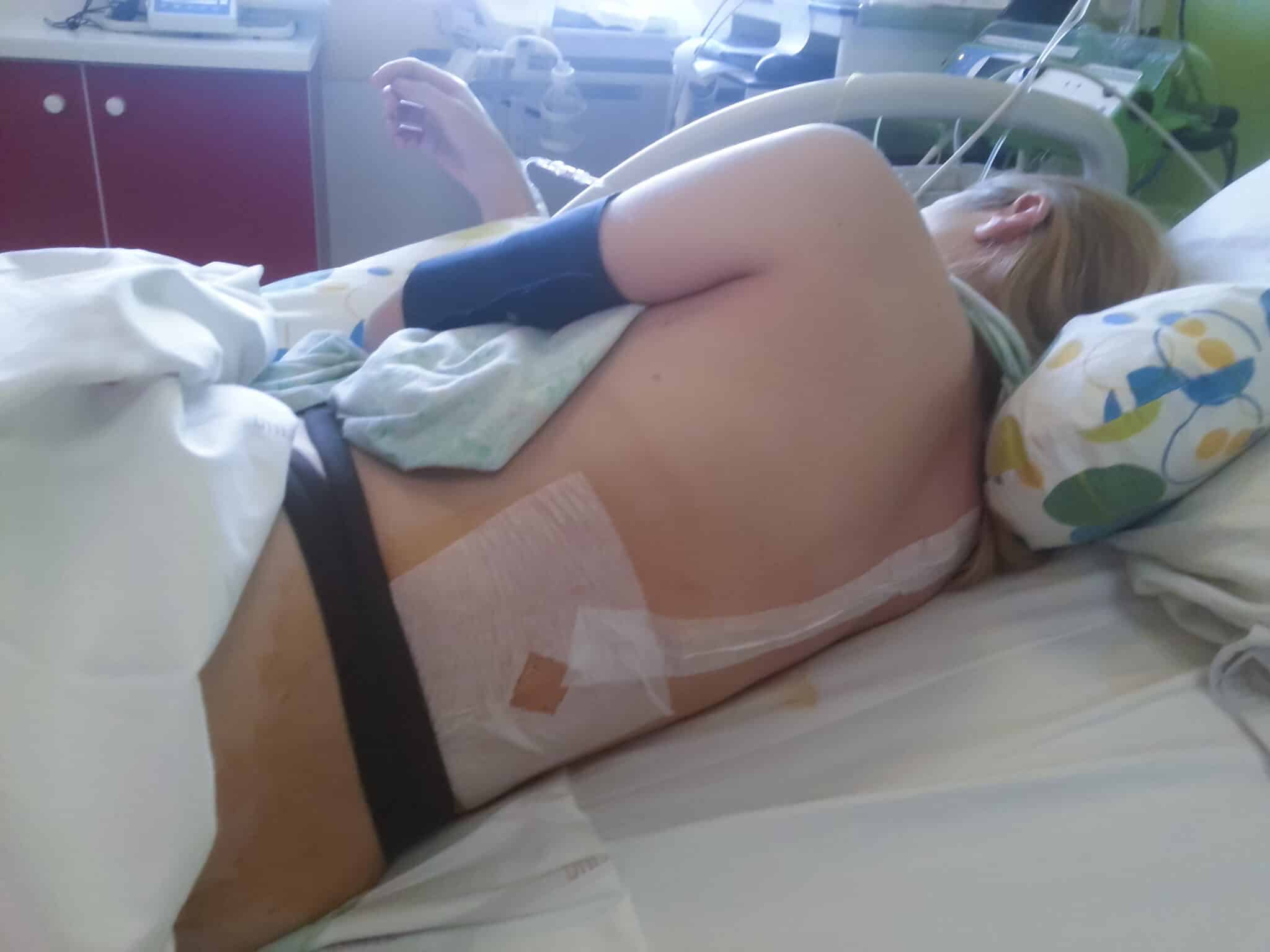

Listeria monocytogenes is One of the Deadliest Foodborne Bacteria
Listeriosis, a severe infection caused by Listeria monocytogenes, is one of the deadliest foodborne illnesses. While rare, the bacteria’s ability to thrive in a wide variety of food products makes it a significant concern for both food safety authorities and healthcare providers. One of the most concerning aspects of listeriosis is its potential to lead to severe neurological complications, such as meningitis and encephalitis, particularly in vulnerable populations.
Because it is such a dangerous bacteria, a number of high profile wrongful death listeria lawsuits have been file din recent years.
In this article, we’ll explore how food contaminated with Listeria bacteria can lead to life-threatening conditions like meningitis and encephalitis, the diagnostic process for listeriosis, how it is treated, and whether or not it can be fatal.
What Is Listeria monocytogenes?
Listeria monocytogenes is a Gram-positive bacterium commonly found in soil, water, and decaying vegetation. It can contaminate a variety of foods, particularly raw or minimally processed foods. The bacteria are notable for their ability to grow in refrigerated temperatures, making them a significant concern for food storage.
Unlike many other foodborne pathogens that primarily cause gastroenteritis, Listeria has the ability to invade beyond the gastrointestinal tract, leading to systemic and potentially life-threatening infections. According to noted National Listeria Lawyer Ron Simon, who filed the first wrongful death listeria lawsuit in the Boar’s Head Listeria outbreak, “the risk is especially high for specific groups, including pregnant women, newborns, the elderly, and immunocompromised individuals. This was all too evident in the preventable death of Gunter Morgenstein, who my firm represents.”
How Listeria Contaminated Food Can Lead to Meningitis or Encephalitis
Listeria Meningitis and listeria encephalitis are serious infections that affect the central nervous system (CNS). Meningitis refers to the inflammation of the protective membranes covering the brain and spinal cord, while encephalitis refers to inflammation of the brain itself. Listeria monocytogenes is one of the few foodborne pathogens that can cause these conditions. But how exactly does this happen?
- Initial Ingestion:
When a person consumes food contaminated with Listeria, the bacteria pass through the gastrointestinal tract. The foods most commonly associated with Listeria outbreaks include soft cheeses, deli meats, smoked fish, and unpasteurized dairy products. Listeria can also be found in contaminated fruits, vegetables, and ready-to-eat foods that have been improperly processed or stored. - Penetration of the Intestinal Wall:
After ingestion, Listeria has a unique ability to penetrate the intestinal wall. This process begins when the bacteria attach to epithelial cells in the gut lining. From there, the bacteria are internalized by host cells through a process known as phagocytosis. Once inside the cells, Listeria can replicate and spread to neighboring cells. - Dissemination Through the Bloodstream:
Once the bacteria breach the intestinal wall, they can enter the bloodstream, causing a condition called listeremia (bacteremia caused by Listeria). The bacteria can then travel through the blood to various organs, including the liver, spleen, and lymph nodes. While many individuals may experience mild flu-like symptoms or no symptoms at all, the bacteria can progress further in immunocompromised individuals or those with weakened defenses. - Crossing the Blood-Brain Barrier:
Listeria monocytogenes is one of the few pathogens capable of crossing the blood-brain barrier, a protective shield that prevents most pathogens from reaching the brain. Once inside the central nervous system, Listeria can cause meningitis (inflammation of the meninges) or encephalitis (inflammation of the brain). This process typically results in severe symptoms such as fever, headache, neck stiffness, altered mental status, and seizures. - Inflammatory Response:
Once Listeria reaches the CNS, the body mounts an immune response to fight the infection. However, the inflammatory response can also lead to further complications, as the swelling caused by inflammation increases pressure inside the skull. This can lead to long-term neurological damage and, in some cases, death.
Diagnosis of Listeriosis, Meningitis, and Encephalitis
Diagnosing listeriosis, particularly when it has progressed to meningitis or encephalitis, can be challenging due to its nonspecific symptoms in the early stages. Diagnosis generally involves the following steps:
- Clinical Evaluation:
Initial diagnosis often begins with a detailed assessment of the patient’s symptoms and medical history. Common symptoms of listeriosis include fever, muscle aches, nausea, and diarrhea. However, when the infection reaches the central nervous system, symptoms become more severe and may include confusion, headache, stiff neck, loss of balance, and seizures. - Blood and Cerebrospinal Fluid (CSF) Culture:
To confirm the diagnosis, laboratory tests are necessary. Blood cultures are the most common method of diagnosing listeremia, where Listeria monocytogenes is isolated from the bloodstream. When neurological symptoms are present, a lumbar puncture (spinal tap) is performed to collect cerebrospinal fluid (CSF) for analysis. The presence of Listeria in CSF is a definitive indicator of listerial meningitis or encephalitis. - Molecular Diagnostic Methods:
Polymerase chain reaction (PCR) and other molecular methods can be used to rapidly detect the presence of Listeria in clinical samples, even before bacterial cultures are completed. These methods are becoming increasingly popular due to their speed and accuracy in identifying the pathogen. - Imaging Studies:
In cases of encephalitis or meningitis, imaging studies such as MRI or CT scans may be used to assess the extent of inflammation or damage in the brain. These tests are especially useful in diagnosing encephalitis, as it can reveal areas of abnormal brain activity or swelling.
Treatment of Listeriosis
The treatment of listeriosis depends on the severity of the infection and the patient’s overall health. Early intervention is critical, especially in high-risk individuals and those who develop central nervous system complications like meningitis or encephalitis.
- Antibiotic Therapy:
Listeriosis is treated with antibiotics, with ampicillin being the drug of choice. Ampicillin is often administered in combination with gentamicin, especially in severe cases or when the bacteria have reached the CNS. Treatment usually lasts for two to three weeks but may be longer if the infection has spread to the brain or other parts of the body. - Supportive Care:
In severe cases of meningitis or encephalitis, patients may require hospitalization for supportive care, including intravenous fluids, pain management, and measures to reduce brain swelling. Seizures or other complications may need to be managed with additional medications. - Special Considerations for Pregnant Women:
Pregnant women with listeriosis require immediate antibiotic treatment to reduce the risk of transmission to the fetus. If left untreated, listeriosis can lead to miscarriage, stillbirth, or severe neonatal infections. The treatment regimen is similar to that for nonpregnant individuals, though the dosing may be adjusted based on the stage of pregnancy.
Is Listeriosis Deadly?
Listeriosis is one of the most severe foodborne infections, with a high mortality rate in certain populations. While healthy individuals who contract listeriosis through contaminated food often experience mild symptoms and recover without complications, vulnerable individuals can face life-threatening outcomes.
- High-Risk Groups:
The most vulnerable populations include pregnant women, newborns, the elderly, and those with weakened immune systems (such as individuals undergoing chemotherapy, those with HIV/AIDS, or those on immunosuppressive medications). In these groups, the mortality rate for invasive listeriosis can range from 20% to 30%. - Meningitis and Encephalitis:
The mortality rate increases significantly when listeriosis leads to CNS infections like meningitis or encephalitis. Without prompt treatment, these conditions can lead to long-term neurological damage or death. Even with appropriate antibiotic therapy, the risk of fatality remains high due to the severe nature of the infection. - Pregnancy-Related Complications:
Pregnant women are about 10 times more likely to contract listeriosis than the general population, and the risk is even higher for Hispanic women, due to the consumption of certain high-risk foods like unpasteurized soft cheeses. Listeriosis during pregnancy can lead to miscarriage, stillbirth, or neonatal death. The newborns who survive are at high risk for long-term complications such as intellectual disabilities and developmental delays.
Preventing Listeriosis
Given the high mortality rate of listeriosis in vulnerable populations, prevention is crucial. The best way to prevent listeriosis is by avoiding contaminated food products and practicing safe food handling techniques.
- Food Safety Measures:
- Refrigerate foods at 40°F (4°C) or lower.
- Cook meats thoroughly, especially poultry and ground meats.
- Avoid unpasteurized dairy products and raw or undercooked fish.
- Wash raw fruits and vegetables thoroughly.
- Follow proper hygiene and cleanliness when handling food.
- Special Precautions for High-Risk Individuals:
- Pregnant women, the elderly, and immunocompromised individuals should avoid foods like soft cheeses made from unpasteurized milk, deli meats, and refrigerated smoked seafood.
- Healthcare providers may recommend extra vigilance with food handling and storage for those in high-risk categories.
Conclusion
Listeriosis, caused by Listeria monocytogenes, is a potentially fatal infection that can lead to severe complications such as meningitis and encephalitis. Diagnosis requires a combination of clinical evaluation, laboratory testing, and imaging, and treatment typically involves antibiotic therapy. While healthy individuals can often recover without severe consequences, listeriosis can be deadly in vulnerable populations, particularly the elderly, pregnant women, and immunocompromised individuals. Prevention through safe food handling and proper hygiene remains the most effective defense against this deadly pathogen.
