

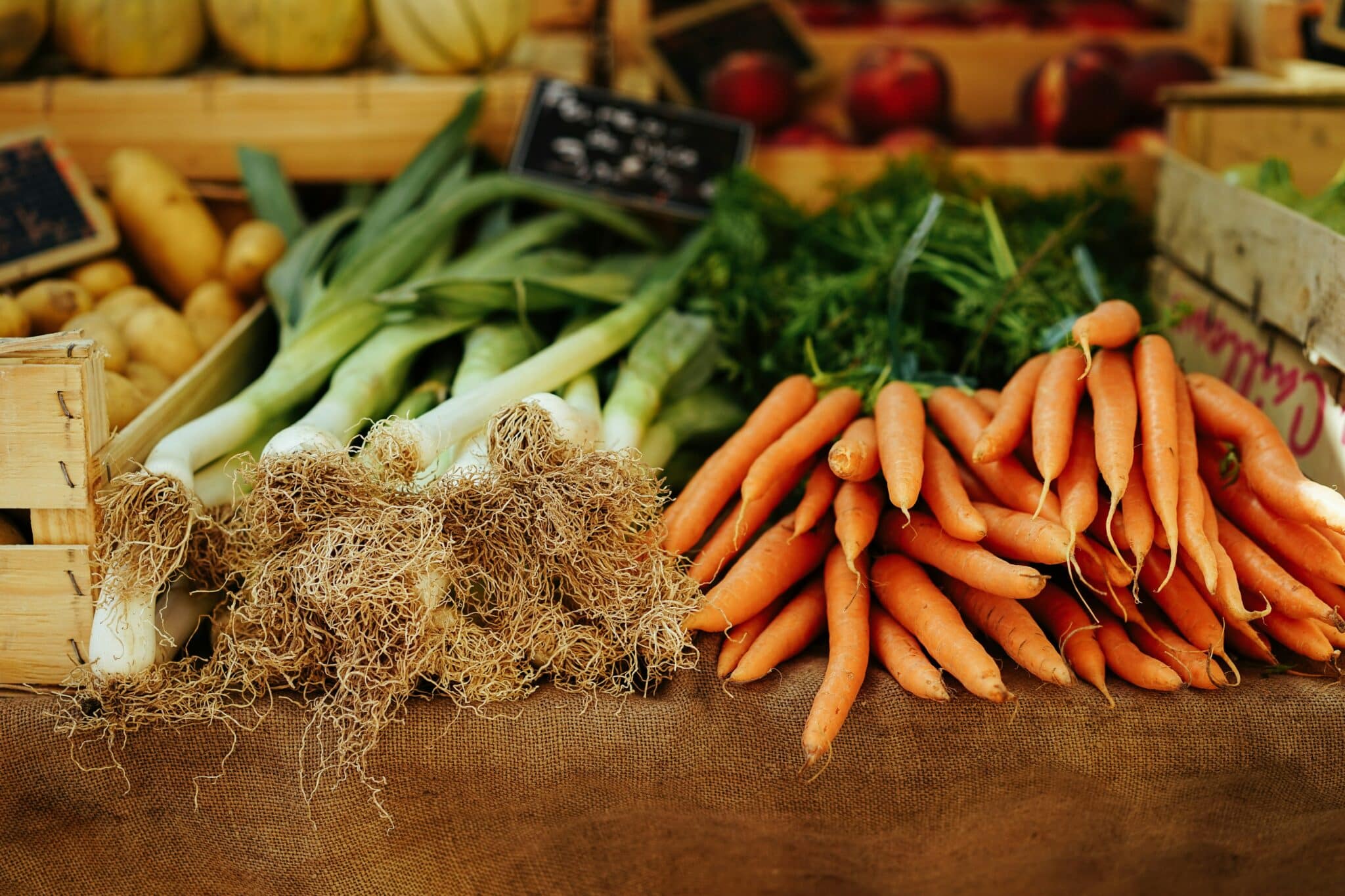

Every day, millions of Americans pile their plates with leafy greens and fresh vegetables—choices driven by a desire to eat healthier. But beneath that healthy image lies a hidden risk. Over the past two decades, fresh produce has emerged as one of the most common vehicles for E. coli outbreaks in the United States, especially when it comes to items like romaine lettuce, spinach, and bagged salad mixes.
Despite being raw, rinsed, and sometimes even labeled “triple-washed,” these greens can still harbor a deadly threat: E. coli O157:H7, a strain of bacteria that can cause severe gastrointestinal illness, kidney failure, and even death.
How Does Produce Become Contaminated?
Unlike meat or dairy, which undergo various kill steps like pasteurization or cooking, leafy greens are almost always consumed raw. That means any contamination that occurs at the farm, during transport, or in packaging can reach the consumer completely intact.
The most common sources of contamination include:
- Irrigation with contaminated water (often containing runoff from nearby cattle farms)
- Handling by farm workers or processing employees who carry the bacteria
- Improper sanitation of harvesting or packaging equipment
- Contaminated soil or manure-based fertilizer
Because leafy greens are often mixed and processed in large batches, one contaminated head of lettuce can affect thousands of bags of salad.
Case 1: The 2019 Romaine Lettuce Outbreak
In late 2019, the CDC and FDA identified a multistate E. coli O157:H7 outbreak tied to romaine lettuce harvested from the Salinas Valley region of California. More than 160 people across 27 states became ill, with over 85 hospitalized. Investigators traced the contamination back to multiple farms using untreated irrigation water from nearby reservoirs.
What made this outbreak especially concerning was that no single producer or brand could be blamed—multiple suppliers contributed to the contaminated supply chain. As a result, romaine from the entire Salinas region was pulled from store shelves nationwide.
The 2019 outbreak reinforced how E. coli can infiltrate entire growing regions and emphasized the need for traceability, safe irrigation practices, and consistent testing across all farms.
Case 2: The 2018 Romaine Lettuce Crisis
Another large-scale outbreak occurred in 2018, again tied to romaine lettuce. This time, the contamination was traced back to irrigation water used in the Yuma, Arizona growing region. The E. coli O157:H7 strain sickened 210 people in 36 states, hospitalized 96, and led to five deaths. The sheer scale and geographic spread of the outbreak forced the CDC to issue a sweeping warning for consumers to avoid all romaine lettuce regardless of brand or source.
It also highlighted a frustrating limitation in food traceability: by the time consumers and stores learned about the contamination, most of the lettuce had already been eaten.
What Makes E. coli O157:H7 So Dangerous?
E. coli bacteria are naturally found in the intestines of humans and animals, but the O157:H7 strain produces a powerful toxin called Shiga toxin. This toxin can cause severe damage to the lining of the intestines and, in some people, trigger hemolytic uremic syndrome (HUS)—a potentially fatal condition that causes kidney failure.
People most at risk include:
- Children under 5 years old
- Older adults
- People with weakened immune systems
- Pregnant individuals
For these vulnerable populations, even a small amount of contamination—just a few bacteria—can be enough to trigger serious illness.
Why Are Recalls Often Too Late?
By the time an outbreak is detected, the contaminated produce has usually already made its way into homes, restaurants, and school cafeterias. It can take days or even weeks for cases to be reported, samples to be tested, and patterns to emerge.
During this time, sick individuals often suffer without knowing what caused their illness—and others continue consuming the same tainted product.
The decentralized nature of produce sourcing complicates matters. A single bag of salad might contain leaves from multiple farms, processed in different facilities, across various states. This makes tracing the contamination difficult and hinders timely recalls.
Are Triple-Washed or Organic Greens Safer?
Not necessarily. The label “triple-washed” might suggest extra safety, but it doesn’t guarantee the elimination of E. coli. Washing can reduce surface bacteria but won’t eliminate pathogens that have adhered tightly to leaf surfaces—or, in some cases, absorbed into damaged tissue.
Similarly, organic certification ensures fewer pesticides, but not fewer pathogens. Organic produce is just as vulnerable to contamination if exposed to untreated water, manure, or unsanitary handling.
What Can You Do to Stay Safe?
While no method is foolproof, consumers can take steps to reduce risk:
- Buy whole heads of lettuce instead of pre-chopped mixes when possible.
- Rinse greens under running water, even if labeled “pre-washed.”
- Store produce in the refrigerator, away from raw meats or seafood.
- Eat leafy greens within a few days of purchase.
- Pay attention to recall alerts on FoodSafety.gov or the CDC’s outbreak pages.
If you or someone in your household is in a high-risk category, you may want to consider lightly cooking spinach or other greens—or avoiding raw varieties altogether during active outbreak warnings.
Legal Accountability for Contaminated Produce
Food producers and processors have a legal responsibility to prevent contamination. When they fail, the consequences can be life-altering. Law firms like Ron Simon & Associates specialize in representing victims of E. coli and other foodborne illnesses, helping families recover damages for medical bills, missed work, and emotional distress.
Beyond compensation, these legal actions push for change—stricter water testing, better sanitation, and more transparency in food sourcing. Many of the industry reforms in leafy green production have come about because consumers and victims demanded accountability.
Final Thoughts
Leafy greens will always be a staple of a healthy diet. But as recent outbreaks have shown, “fresh” doesn’t always mean “safe.” Until farms, processors, and regulators can better guarantee food safety across the board, the burden falls largely on consumers to stay informed and vigilant.
The next time you grab that bag of spinach or romaine, remember: the most dangerous ingredient might not be what you see—it could be what you can’t.
