
Close Menu
  • Food Poisoning
    • Symptoms
    • Prevention
    • Treatment
    • Causes
  • Pathogens
    • Botulism
    • Campylobacter
    • E. coli
    • Cyclospora
    • Norovirus
    • Hepatitis A
    • Salmonella
    • Listeria
    • Shigella
  • Food Safety
    • How to wash your hands
    • Food Safty And The Holidays
  • Legal
    • Can I sue for Food Poisoning?
    • E. coli Lawyer
      • E. coli Lawsuit
    • Salmonella Lawyer
      • Salmonella Lawsuit
    • Botulism Lawyer
    • Cyclospora Lawyer
    • Shigella Lawyer
    • Hepatitis A Lawyer
  • Outbreaks and Recalls
  • Connect With A Lawyer
What's Hot

Neurolisteriosis: Why Listeria Monocytogenes Causes Meningitis and Encephalitis

January 19, 2026

Back-to-School Food Risks: How Lunch Packing, Cafeterias, and Shared Spaces Increase Food Poisoning

January 14, 2026

Campylobacter Infection: Where It Comes From and Why It’s One of the Most Common Foodborne Illnesses

January 14, 2026
Facebook X (Twitter) Instagram
Facebook X (Twitter) YouTube
  • About
  • Contact Us
Food Poisoning NewsFood Poisoning News
  • Home
  • Food Poisoning
    • What is Food Poisoning?
      • Symptoms
      • Causes
      • Prevention
      • Treatment
      • Statistics
    • Pathogens
      • Botulism
      • Campylobacter
      • E. coli
      • Hepatitis A
      • Shigella
      • Norovirus
      • Salmonella
      • Cyclospora
      • Listeria
  • Food Safety
    • How to wash your hands
    • Food Safty And The Holidays
  • Legal
    • Salmonella Lawyer
      • Salmonella Lawsuit
    • E. coli Lawyer
      • E. coli Lawsuit
    • Cyclospora Lawyer
    • Shigella Lawyer
    • Hepatitis A Lawyer
    • Botulism Lawyer
  • Outbreaks and Recalls
Food Poisoning NewsFood Poisoning News
Home»Helpful Articles»Wastewater Epidemiology: An Early Warning System for Foodborne Outbreaks
Wastewater Epidemiology: An Early Warning System for Foodborne Outbreaks
Helpful Articles

Wastewater Epidemiology: An Early Warning System for Foodborne Outbreaks

Kit RedwineBy Kit RedwineJuly 10, 2025No Comments3 Mins Read
Share
Facebook Twitter LinkedIn Pinterest Email Reddit

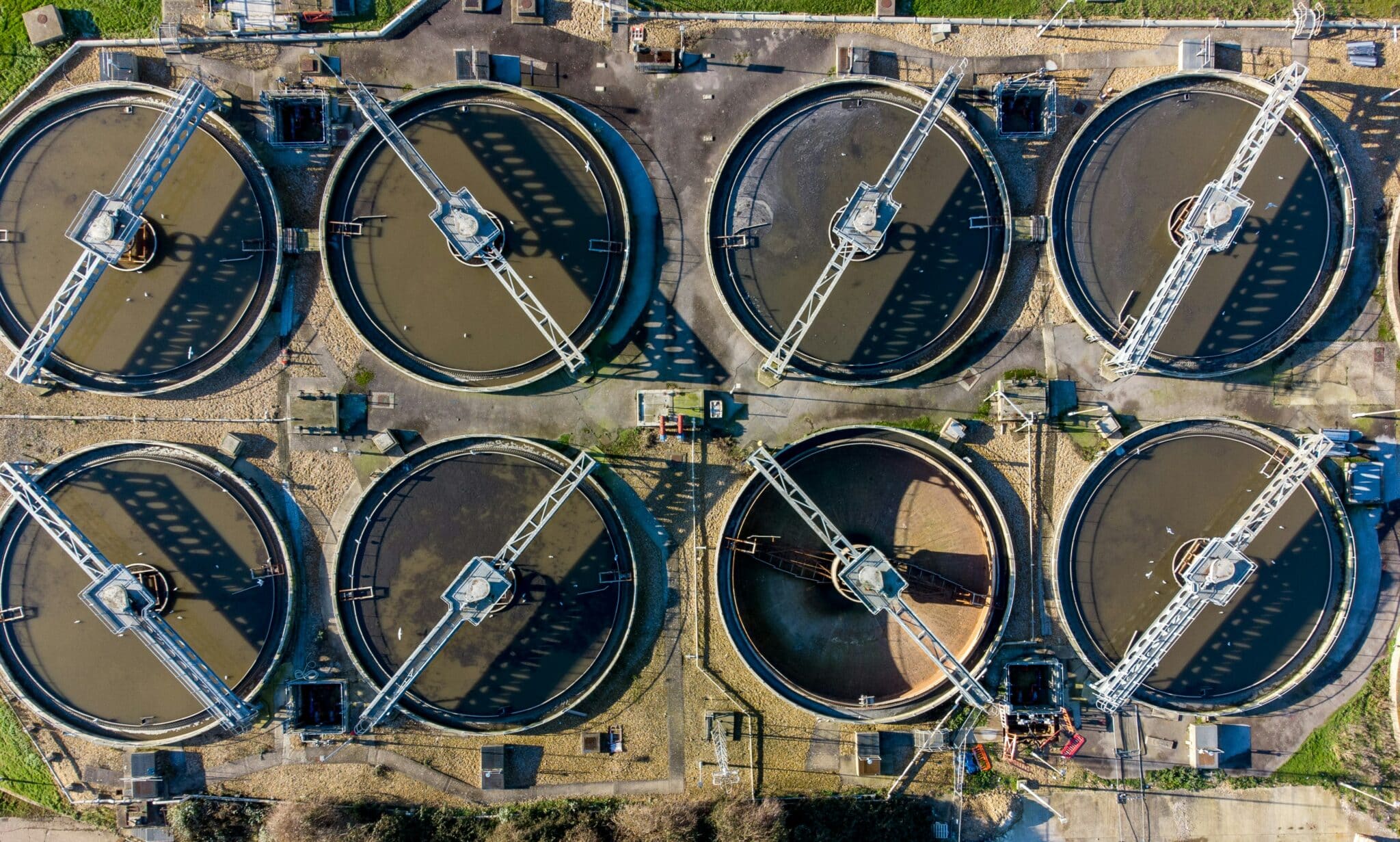
As foodborne disease outbreaks in Europe surged by 43.9% in 2022, public health agencies are increasingly adopting wastewater-based epidemiology (WBE) to detect pathogens before clinical cases emerge. This approach analyzes sewage to identify infectious agents shed in feces, providing community-level surveillance that captures symptomatic and asymptomatic infections alike.   

How Wastewater Surveillance Works  

WBE employs a three-step detection strategy:  

  1. Untargeted Screening: Wastewater undergoes metagenomic analysis to detect diverse microorganisms.   
  2. Targeted Quantification: Pathogens showing elevated concentrations are measured using PCR to confirm trends.   
  3. Data Integration: Wastewater results are correlated with clinical reports to model outbreak trajectories.   

This method proved effective during the COVID-19 pandemic, where viral load increases in wastewater preceded hospital admissions by up to 63 days.   

Documented Successes  

  • In central Pennsylvania, wastewater monitoring detected Salmonella enterica serovar Baildon, a rare strain causing a 2022 outbreak, through genomic sequencing of sewage isolates. These matched clinical samples from infected patients, confirming WBE’s outbreak detection capabilities.   
  • Gothenburg’s wastewater surveillance identified norovirus concentrations 2 to 3 weeks before clinical cases and hepatitis A virus 5 to13 weeks ahead of diagnoses during a berry-linked outbreak.   
  • Spain’s 2020 to 2021 enteric virus monitoring found noroviruses in 62 to 83% of samples, demonstrating WBE’s sensitivity for community-level pathogen tracking.   

Advantages Over Traditional Surveillance

WBE addresses critical gaps in conventional reporting:  

  • Early Detection: Identifies pathogens before symptomatic cases are clinically confirmed.   
  • Asymptomatic Capture: Detects infections missed by healthcare systems, as shown by hepatitis A surveillance revealing higher community spread than reported cases.   
  • Cost Efficiency: One sample monitors thousands of people, reducing per-capita surveillance costs.   

Table: Comparing Surveillance Approaches for Foodborne Pathogens  

ParameterClinical ReportingWastewater Surveillance
Detection SpeedDays to weeks after symptom onsetUp to 13 weeks pre-outbreak
Asymptomatic CasesRarely identifiedCaptured via fecal shedding
Data RepresentativenessLimited to healthcare seekersCommunity-wide coverage
Outbreak PredictionReactive confirmationProactive early warning
Cost per CapitaHigh (testing infrastructure)Lower (bulk sample analysis)

Implementation Challenges  

Despite promise, barriers remain:  

  • Standardization: Methods for sample collection (e.g., composite vs. grab sampling) and viral concentration require harmonization to ensure comparability.   
  • Sensitivity: Pathogens with low fecal shedding or environmental persistence may evade detection.   
  • Data Interpretation: Population size estimation, flow dynamics, and dilution effects complicate infection burden calculations.   

Emerging solutions include machine learning models that integrate wastewater data with environmental factors and crowdsourced symptom searches to improve prediction accuracy.   

Future Directions  

The CDC’s National Wastewater Surveillance System, initially designed for SARS-CoV-2, now expands to foodborne pathogens. Researchers advocate integrating WBE with genomic sequencing to accelerate source tracing during outbreaks, potentially preventing wider transmission.  As standardization improves, WBE could become routine in public health infrastructure, transforming wastewater from waste to a vital epidemiological sentinel. 

Share. Facebook Twitter Pinterest LinkedIn Tumblr Email
Avatar photo
Kit Redwine

Related Posts

How Long Do Foodborne Bacteria Survive on Kitchen Surfaces—and Why Cleaning Isn’t Always Enough

January 14, 2026

Norovirus: What You Need to Know About the Highly Contagious “Stomach Bug”

January 8, 2026

A Rising Tide of Risk: Navigating the Hidden Dangers in Raw Seafood

December 30, 2025

The Hidden Journey Bacteria Through Modern Food Processing

December 28, 2025
Add A Comment
Leave A Reply Cancel Reply

Attorney Advertisement
Ron Simon

Subscribe to Updates

Get the latest food safety recall, outbreak, & investigation news.

Latest Posts

Neurolisteriosis: Why Listeria Monocytogenes Causes Meningitis and Encephalitis

January 19, 2026

Back-to-School Food Risks: How Lunch Packing, Cafeterias, and Shared Spaces Increase Food Poisoning

January 14, 2026

What Foods Are Most Likely to Carry Salmonella—and Why Contamination Happens So Easily

January 14, 2026

Food Poisoning News is a website devoted to providing you with the most current information on food safety, dangerous pathogens, food poisoning outbreaks and outbreak prevention, and food poisoning litigation.

We're social. Connect with us:

Facebook X (Twitter) YouTube
Latest Posts

Neurolisteriosis: Why Listeria Monocytogenes Causes Meningitis and Encephalitis

January 19, 2026

Back-to-School Food Risks: How Lunch Packing, Cafeterias, and Shared Spaces Increase Food Poisoning

January 14, 2026

What Foods Are Most Likely to Carry Salmonella—and Why Contamination Happens So Easily

January 14, 2026
Get Informed

Subscribe to Updates

Get the latest food safety recall, outbreak, & investigation news.

Facebook X (Twitter) YouTube
  • Home
© 2026 Food Poisoning News. Sponsored by Ron Simon & Associates a Houston, TX law firm. Powered by ArmaVita.
Our website and content are for informational purposes only. Food Poisoning News does not provide legal advice, medical advice, diagnosis, or treatment.

Type above and press Enter to search. Press Esc to cancel.