

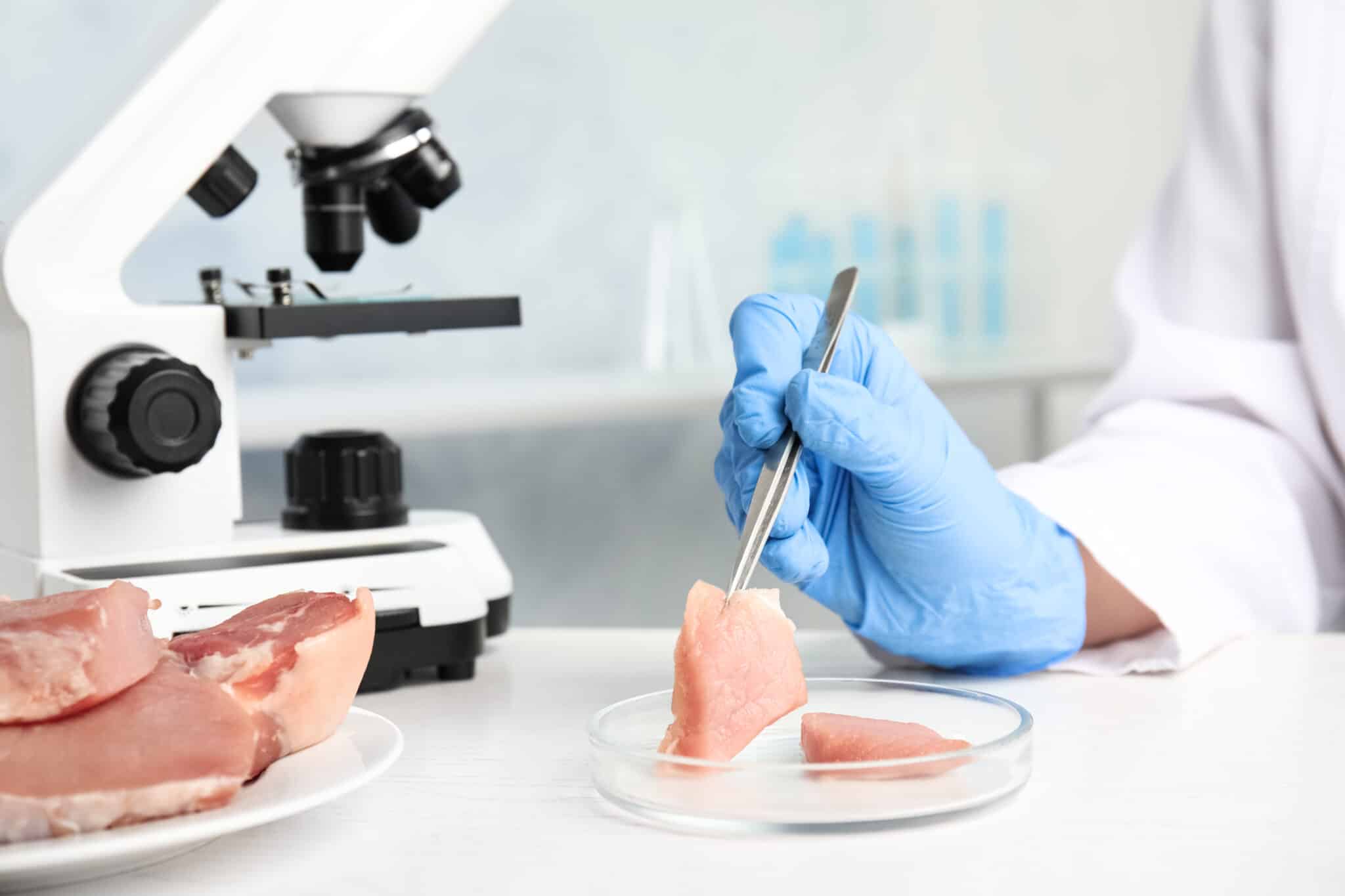

Food poisoning—also known as foodborne illness—refers to an illness caused by consuming contaminated food or beverages. Contaminants can include harmful microorganisms such as bacteria, viruses, parasites, or chemical toxins. Food poisoning typically manifests with symptoms like nausea, vomiting, diarrhea, abdominal cramps, and sometimes fever. What are the most common forms of each of these classes of food contamination?
Section 1: Bacterial Food Poisoning
The most common types of bacterial food poisoning are caused by a variety of bacteria, each leading to specific symptoms and health risks. Here are the most prevalent ones:
1. Salmonella
Source: Found in raw or undercooked poultry, eggs, meat, and unpasteurized milk or juice. It can also contaminate fruits and vegetables through improper handling.
Symptoms: Diarrhea, fever, abdominal cramps, and vomiting. Symptoms typically start 6-48 hours after exposure and can last 4-7 days.
Complications: In severe cases, it can lead to hospitalization and systemic infections, particularly in immunocompromised individuals.
2. Escherichia coli (E. coli)
Source: Often linked to undercooked ground beef, raw vegetables, and contaminated water.
Symptoms: Diarrhea (sometimes bloody), severe stomach cramps, vomiting, and occasionally mild fever. Symptoms usually appear 1-10 days after consumption.
Complications: Some strains, like E. coli O157, can cause hemolytic uremic syndrome (HUS), a serious condition leading to kidney failure, particularly in children and older adults.
3. Campylobacter
Source: Commonly found in raw or undercooked poultry, unpasteurized dairy products, and contaminated water.
Symptoms: Diarrhea (often bloody), fever, stomach cramps, and nausea. Symptoms typically begin 2-5 days after exposure and can last about a week.
Complications: Can lead to Guillain-Barré syndrome, a rare neurological disorder that causes muscle weakness and paralysis.
4. Listeria monocytogenes
Source: Found in contaminated deli meats, hot dogs, unpasteurized dairy products, and soft cheeses. It can also grow in refrigerated environments.
Symptoms: Fever, muscle aches, nausea, and diarrhea. In severe cases, it can cause meningitis and sepsis. Symptoms may start 1-4 weeks after exposure.
Complications: Particularly dangerous for pregnant women, newborns, the elderly, and immunocompromised individuals. It can lead to miscarriages, stillbirths, or severe neonatal infections.
5. Clostridium perfringens
Source: Associated with improperly cooked and stored meats, poultry, gravies, and casseroles, particularly when food is left out for too long.
Symptoms: Diarrhea and abdominal cramps without fever or vomiting. Symptoms usually appear within 6-24 hours and resolve within a day.
Complications: Rarely causes serious illness but can lead to severe dehydration if untreated.
6. Clostridium botulinum (Botulism)
Source: Found in improperly canned or preserved foods, as well as fermented fish, honey (for infants), and garlic oil.
Symptoms: Causes a neurotoxic reaction leading to blurred vision, muscle weakness, difficulty swallowing, and respiratory failure. Symptoms typically appear 18-36 hours after exposure.
Complications: Botulism is life-threatening and requires immediate medical attention, as it can cause paralysis.
7. Staphylococcus aureus
Source: Commonly found on human skin and in the nose; it can contaminate food through improper handling, particularly foods like salads, sandwiches, and dairy products.
Symptoms: Sudden onset of nausea, vomiting, cramps, and diarrhea. Symptoms typically appear 1-6 hours after exposure and last for about a day.
Complications: Rarely serious, but dehydration can occur in vulnerable individuals.
8. Shigella
Source: Spread through contaminated water and food, particularly in unsanitary conditions.
Symptoms: Severe diarrhea, abdominal pain, and fever. Symptoms appear 1-2 days after exposure and can last up to a week.
Complications: Can cause severe dehydration and lead to hemolytic uremic syndrome (HUS) in rare cases.
Bacterial Pathophysiology
Pathophysiology of foodborne bacterial infections refers to the biological processes that occur in the body following the ingestion of contaminated food, leading to illness. Each bacterium has a unique mechanism of causing disease, but they generally follow similar pathways from ingestion to the onset of symptoms. Understanding the pathophysiology of foodborne bacterial infections involves examining how these bacteria enter the body, how they evade the immune system, and how they cause damage to tissues and organs.
1. Entry into the Body:
Foodborne bacteria are typically ingested through contaminated food or water. They enter the gastrointestinal (GI) tract and can survive the acidic environment of the stomach, depending on the bacteria’s resistance to stomach acid. Once in the intestines, they begin their pathogenic process.
2. Colonization of the Gastrointestinal Tract:
Upon entering the small intestine or colon, bacteria attach to the epithelial lining of the intestines. Some bacteria remain localized, while others may penetrate the intestinal lining and enter deeper tissues.
Adhesion: Many bacteria possess adhesins, proteins that allow them to attach to the intestinal wall. For example, Escherichia coli and Salmonella have surface molecules that bind to receptors on host cells, allowing colonization.
Invasion: Some bacteria, like Salmonella and Shigella, invade intestinal epithelial cells, using specialized proteins to penetrate host cells and evade the immune response.
3. Toxin Production
Many pathogenic bacteria cause symptoms primarily through the production of toxins. These toxins can be divided into endotoxins and exotoxins:
- Exotoxins: These are proteins secreted by bacteria that directly cause damage to host cells. Exotoxins can have various effects depending on their target.
- Enterotoxins: These specifically target the intestines, leading to symptoms such as diarrhea and vomiting. For example, Staphylococcus aureus and Bacillus cereus produce heat-stable enterotoxins that cause rapid onset of symptoms.
- Cytotoxins: These destroy host cells, causing tissue damage. Shiga toxin produced by E. coli O157 is an example of a cytotoxin that causes bloody diarrhea by damaging the lining of the intestines.
- Neurotoxins: Clostridium botulinum produces a neurotoxin that affects the nervous system, leading to paralysis by inhibiting the release of acetylcholine at neuromuscular junctions.
- Endotoxins: These are part of the bacterial cell wall, typically associated with Gram-negative bacteria such as Salmonella and E. coli. When the bacteria die and their cell walls break down, the lipopolysaccharides (LPS) of the endotoxins are released, causing a strong immune response. This can lead to fever, inflammation, and, in severe cases, sepsis.
4. Evasion of the Immune System
Pathogenic bacteria have developed several mechanisms to evade or subvert the host’s immune response:
- Inhibition of phagocytosis: Some bacteria, like Salmonella, can survive inside macrophages (immune cells that normally digest pathogens) by preventing the fusion of lysosomes (which contain digestive enzymes) with the phagosome (the compartment holding the bacteria).
- Antigenic variation: Bacteria like Campylobacter can change their surface proteins, making it harder for the immune system to recognize and attack them.
- Biofilm formation: Some bacteria can form biofilms (a protective matrix) that shield them from immune system attacks and antimicrobial agents.
5. Inflammatory Response
The body’s immune response to bacterial invasion often leads to inflammation of the intestinal lining (gastroenteritis). This involves:
- Cytokine release: In response to bacterial toxins and invasion, immune cells release cytokines, which signal other immune cells to attack the bacteria. However, this inflammatory response also leads to increased permeability of the intestinal lining and the production of fluid, causing diarrhea.
- Immune cell infiltration: Neutrophils and macrophages are recruited to the site of infection, leading to swelling, redness, and further damage to the intestinal epithelium. The immune response is responsible for many of the symptoms of bacterial food poisoning, such as pain, fever, and diarrhea.
6. Damage to Host Tissues
The damage caused by bacterial toxins and the immune response can disrupt normal intestinal function:
- Increased secretion of water and electrolytes: Many enterotoxins stimulate the secretion of chloride ions and water into the intestines, leading to watery diarrhea (e.g., Vibrio cholerae and Escherichia coli enterotoxins).
- Destruction of intestinal cells: Cytotoxins such as Shiga toxin damage the intestinal epithelium, leading to bloody diarrhea and, in severe cases, a breakdown in the intestinal barrier, allowing bacteria and toxins to enter the bloodstream (sepsis).
- Systemic effects: In severe cases, the bacteria or their toxins can enter the bloodstream, leading to bacteremia or toxemia. This can cause systemic inflammation, organ damage, and septic shock.
7. Symptoms and Clinical Presentation
The clinical symptoms of bacterial food poisoning are the result of these pathophysiological processes. Common symptoms include:
- Diarrhea: Caused by increased intestinal secretion and inflammation.
- Vomiting: A reflex in response to toxins and irritation of the stomach and intestines.
- Fever: A common immune response to infection.
- Abdominal cramps: Resulting from inflammation and irritation of the intestinal walls.
In severe cases, bacterial food poisoning can lead to dehydration, electrolyte imbalances, sepsis, and long-term complications such as hemolytic uremic syndrome (HUS) in E. coli infections, Guillain-Barré syndrome following Campylobacter infection, or chronic digestive issues like irritable bowel syndrome (IBS).
The pathophysiology of foodborne bacterial infections involves a complex interaction between bacterial toxins, immune responses, and tissue damage. These processes lead to the characteristic symptoms of food poisoning, which can range from mild to life-threatening depending on the bacterial strain and the host’s immune response. Early recognition and appropriate treatment are critical to managing the potentially severe complications of foodborne bacterial infections.
Section 2: Viral Food Poisoning
Viral food poisoning, also known as viral gastroenteritis or stomach flu, is an illness caused by the ingestion of food or water contaminated with viruses. Unlike bacterial food poisoning, which involves toxins or bacterial invasion of tissues, viral food poisoning results from the body’s immune response to the viral infection, which primarily affects the gastrointestinal system.
Common Viruses That Cause Food Poisoning
- Norovirus:
- Source: Norovirus is the leading cause of viral foodborne illness worldwide. It is highly contagious and can spread through contaminated food, water, surfaces, and from person to person.
- Symptoms: Diarrhea, vomiting, nausea, stomach pain, and sometimes fever. Symptoms usually appear within 12-48 hours after exposure and last 1-3 days.
- Complications: Dehydration is the most serious concern, especially in young children, the elderly, and immunocompromised individuals.
- Rotavirus:
- Source: Primarily affects young children, and it’s transmitted via the fecal-oral route, often through contaminated food or water or contact with infected individuals.
- Symptoms: Severe watery diarrhea, vomiting, fever, and abdominal pain. Symptoms typically appear 1-3 days after exposure and can last 3-8 days.
- Complications: Severe dehydration, particularly in infants and young children, can be life-threatening without proper rehydration.
- Hepatitis A:
- Source: Spread through ingestion of food or water contaminated with fecal matter. It is common in regions with poor sanitation and is often linked to raw or undercooked shellfish, fruits, and vegetables.
- Symptoms: Jaundice (yellowing of the skin and eyes), fatigue, nausea, vomiting, abdominal pain, loss of appetite, fever, and dark urine. Symptoms usually appear 2-7 weeks after exposure.
- Complications: Hepatitis A primarily affects the liver, and while most people recover fully, in rare cases, it can lead to liver failure, especially in individuals with pre-existing liver conditions.
- Astrovirus:
- Source: Commonly affects children and immunocompromised individuals. Spread through contaminated food, water, or person-to-person contact.
- Symptoms: Diarrhea, vomiting, and fever, typically milder than norovirus or rotavirus. Symptoms usually appear within 3-4 days after infection.
- Sapovirus:
- Source: Similar to norovirus, sapovirus causes gastroenteritis and is transmitted through contaminated food or water.
- Symptoms: Diarrhea, vomiting, and abdominal pain. It primarily affects young children and the elderly, with symptoms lasting 1-4 days.
Pathophysiology of Viral Food Poisoning
- Viral Entry:
- Viruses enter the body through the ingestion of contaminated food or water. They pass through the stomach’s acidic environment and reach the intestines, where they begin to replicate.
- Replication in the Intestinal Epithelium:
- Once in the intestines, viruses invade the epithelial cells lining the intestinal tract. For example, norovirus and rotavirus attach to receptors on these cells, facilitating entry into the cells.
- Immune Response:
- The body’s immune system reacts to the viral infection by activating immune cells and producing cytokines. This response leads to inflammation in the intestinal lining.
- The inflammatory response increases fluid secretion and reduces the absorption of water and electrolytes in the intestines, leading to diarrhea and vomiting.
- Disruption of Digestive Function:
- The destruction of intestinal epithelial cells and the immune response impair the digestive system’s ability to absorb fluids and nutrients, contributing to the characteristic symptoms of viral gastroenteritis.
- Shedding and Contagion:
- Infected individuals continue to shed large amounts of the virus in their stool and vomit, which contributes to the virus’s rapid spread through contamination of surfaces, food, water, or direct contact.
Symptoms of Viral Food Poisoning
- Diarrhea (watery, non-bloody)
- Nausea and vomiting
- Abdominal cramps and pain
- Fever (in some cases)
- Headache and body aches
- Fatigue and malaise
These symptoms usually develop 12-72 hours after exposure and typically resolve within 1-3 days for most viral infections, although rotavirus may cause illness lasting up to a week.
Complications
- Dehydration: The most significant complication, particularly in children, the elderly, and people with weakened immune systems. Severe dehydration can lead to kidney failure, shock, or death if not properly managed.
- Malnutrition: Prolonged diarrhea or vomiting can lead to malabsorption and nutritional deficiencies, especially in infants and children.
- Chronic hepatitis: In the case of Hepatitis A, long-term liver damage or failure can occur in rare cases, particularly in individuals with pre-existing liver disease.
Treatment and Management
- Rehydration:
- Oral rehydration therapy (ORT) with water, salts, and sugar is crucial to replace lost fluids and electrolytes.
- In severe cases, intravenous (IV) fluids may be necessary.
- Symptomatic Treatment:
- Over-the-counter medications like antiemetics (for vomiting) or antidiarrheals (for diarrhea) may help reduce symptoms, though their use is typically restricted to avoid prolonging viral shedding.
- Rest: Allowing the body to recover through rest and avoidance of irritating foods (such as fatty, spicy, or sugary foods) can help speed recovery.
- Antivirals: In the case of Hepatitis A, vaccines can prevent infection, and antivirals may be used in certain circumstances.
Prevention of Viral Food Poisoning
- Hand hygiene: Proper hand washing, particularly after using the bathroom or handling food.
- Safe food handling: Proper cooking, storage, and handling of food, especially shellfish, fruits, and vegetables.
- Vaccination: Vaccines for rotavirus and Hepatitis A can significantly reduce the risk of infection.
- Disinfection: Thorough cleaning and disinfection of surfaces, particularly in environments prone to outbreaks, such as schools, hospitals, and cruise ships.
Viral food poisoning is a common and highly contagious illness caused by viruses such as norovirus, rotavirus, and Hepatitis A. The infection typically leads to gastrointestinal symptoms, which are generally self-limiting but can be serious in vulnerable populations. Prevention through proper hygiene, food safety practices, and vaccination is key to reducing the incidence of viral foodborne illnesses.
Section 3: Parasitic Food Poisoning
Parasitic food poisoning, also known as foodborne parasitic infection, occurs when a person ingests food or water contaminated with parasites. These parasites can live and multiply within the human body, often causing gastrointestinal symptoms and, in severe cases, more systemic health issues. The contamination usually results from consuming undercooked or raw meat, contaminated water, or food that has been exposed to fecal matter.
Common Parasites That Cause Foodborne Illness
- Giardia lamblia (Giardiasis)
- Source: Found in contaminated water, food, or surfaces that have come into contact with the feces of infected individuals or animals.
- Symptoms: Diarrhea, gas, stomach cramps, nausea, and dehydration. Symptoms usually appear 1-3 weeks after exposure.
- Complications: If left untreated, giardiasis can lead to malnutrition and chronic digestive issues, especially in children.
- Transmission: Often associated with drinking untreated water (e.g., from lakes or rivers), and poor sanitation practices.
- Toxoplasma gondii (Toxoplasmosis)
- Source: This parasite is commonly found in undercooked, contaminated meat (especially pork, lamb, and venison), unwashed fruits and vegetables, and contaminated water. It can also be transmitted through handling cat litter.
- Symptoms: In healthy individuals, symptoms are often mild or flu-like, including muscle aches, swollen lymph nodes, and fever. In severe cases, particularly in immunocompromised individuals, it can lead to neurological symptoms, such as seizures and confusion.
- Complications: Toxoplasmosis can cause severe birth defects or miscarriage if contracted during pregnancy. In immunocompromised individuals, it can lead to encephalitis or damage to other organs.
- Transmission: Often linked to consumption of undercooked meat or exposure to contaminated cat litter.
- Cryptosporidium (Cryptosporidiosis)
- Source: Contaminated water, raw or undercooked food, or contact with infected individuals or animals. Cryptosporidium is resistant to chlorine, making it a common cause of waterborne outbreaks.
- Symptoms: Watery diarrhea, stomach cramps, nausea, vomiting, and fever. Symptoms typically begin 2-10 days after exposure.
- Complications: In immunocompromised individuals, cryptosporidiosis can cause prolonged or severe illness, including chronic diarrhea and malabsorption.
- Transmission: Often contracted through drinking contaminated water or consuming contaminated food, particularly in areas with poor sanitation.
- Trichinella spiralis (Trichinosis)
- Source: Primarily found in undercooked or raw meat from infected animals, especially pork and wild game (like bear or boar).
- Symptoms: Early symptoms include nausea, diarrhea, vomiting, and abdominal pain. As the infection progresses, muscle pain, fever, swelling around the eyes, and fatigue may develop. Symptoms usually appear within a week after consumption.
- Complications: Severe trichinosis can lead to heart and respiratory problems, and in rare cases, it can be fatal.
- Transmission: Eating undercooked meat infected with the parasite.
- Entamoeba histolytica (Amebiasis)
- Source: Contaminated food or water, especially in areas with poor sanitation. This parasite is spread via the fecal-oral route.
- Symptoms: Diarrhea, stomach pain, and cramping. In more severe cases, it can cause liver abscesses and dysentery (severe, bloody diarrhea). Symptoms typically begin 1-4 weeks after exposure.
- Complications: Can cause abscesses in the liver or other organs if it spreads beyond the intestines. Amebiasis can be fatal if not treated in its severe form.
- Transmission: Primarily spread through ingestion of food or water contaminated with feces from an infected individual.
- Anisakis (Anisakiasis)
- Source: Found in raw or undercooked fish and seafood, particularly sushi, sashimi, and ceviche.
- Symptoms: Severe abdominal pain, nausea, vomiting, and diarrhea. Symptoms typically appear within hours of consuming infected fish.
- Complications: In some cases, the parasite can burrow into the intestinal wall, causing inflammation, requiring surgical removal.
- Transmission: Eating raw or undercooked seafood.
Pathophysiology of Parasitic Food Poisoning
- Entry into the Body:
- Parasites are usually ingested through contaminated food or water. Some parasites, like Giardia and Cryptosporidium, can survive in harsh environments such as the stomach’s acidic conditions, allowing them to reach the intestines.
- Invasion and Replication:
- Once in the intestines, many parasites attach to or invade the intestinal lining. For instance, Giardia attaches to the intestinal wall, where it disrupts normal absorption, leading to diarrhea and malnutrition. Toxoplasma gondii can invade and replicate within host cells, particularly in tissues like the brain, eyes, and muscles.
- Immune Response:
- The immune system responds to the presence of the parasites by releasing immune cells and inflammatory mediators, which leads to symptoms such as diarrhea, vomiting, and abdominal pain.
- Tissue Damage:
- Some parasites, like Entamoeba histolytica, can directly destroy intestinal tissues, leading to ulcers, dysentery, and sometimes abscesses in organs like the liver.
- Systemic Effects:
- Some parasites, like Toxoplasma and Trichinella, can spread beyond the intestines and affect other organs. Toxoplasma can reach the brain, leading to neurological symptoms, while Trichinella larvae migrate to the muscles, causing pain and swelling.
Symptoms of Parasitic Food Poisoning
- Diarrhea (sometimes chronic)
- Nausea and vomiting
- Abdominal pain or cramping
- Weight loss (due to malabsorption and prolonged illness)
- Fatigue and muscle aches (in certain infections like Trichinella spiralis)
- Fever and chills
The onset of symptoms can range from days to weeks, depending on the parasite, and symptoms can persist for weeks or even months if left untreated.
Complications
- Chronic gastrointestinal symptoms: Some parasitic infections, particularly Giardia and Cryptosporidium, can lead to long-term digestive problems like malabsorption and weight loss.
- Organ damage: In more severe cases, parasites like Toxoplasma and Entamoeba histolytica can cause damage to organs like the brain, liver, or lungs.
- Pregnancy complications: Toxoplasma gondii can cause severe birth defects or miscarriage if contracted during pregnancy.
- Immunocompromised individuals: Parasites like Cryptosporidium and Toxoplasma can cause life-threatening complications in individuals with weakened immune systems.
Treatment and Management
- Antiparasitic Medications:
- Metronidazole or tinidazole for Giardia and Entamoeba histolytica.
- Nitazoxanide for Cryptosporidium.
- Pyrimethamine and sulfadiazine for Toxoplasma gondii.
- Supportive Care:
- Oral rehydration therapy (ORT) to replace fluids and electrolytes lost due to diarrhea and vomiting.
- Nutritional support, particularly in cases of chronic malnutrition or weight loss.
- Surgical Intervention:
- In rare cases, such as severe anisakiasis or amebiasis, surgery may be required to remove parasites or repair damaged tissues.
Prevention of Parasitic Food Poisoning
- Proper food handling: Ensure that meat, particularly pork and wild game, is thoroughly cooked to kill parasites. Avoid raw or undercooked fish unless it has been properly frozen to eliminate parasites.
- Clean water: Drink only treated or boiled water, especially in regions where sanitation is poor or when camping.
- Hand hygiene: Wash hands thoroughly after handling raw meat, using the bathroom, or coming into contact with animals.
- Safe food sources: Wash fruits and vegetables, and avoid unwashed produce, particularly in areas with high rates of parasitic infection.
Parasitic food poisoning is a serious health concern caused by ingesting contaminated food or water. While symptoms often revolve around gastrointestinal distress, certain parasites can lead to more severe, systemic complications. Preventive measures such as proper food handling, hygiene, and safe water consumption are key to reducing the risk of parasitic infections.
Section 4: Chemical Food Poisoning
Chemical food poisoning occurs when a person consumes food or drink contaminated with harmful chemicals. These chemicals can be naturally occurring toxins in food, environmental contaminants, or substances added during food processing. Chemical food poisoning can lead to a wide range of health effects, from mild symptoms like nausea and vomiting to severe complications such as organ failure, long-term neurological damage, or even death.
Common Causes of Chemical Food Poisoning
- Heavy Metals
- Mercury:
- Source: Commonly found in fish, especially large predatory species like shark, swordfish, and king mackerel. Mercury accumulates in fish tissues through the process of bioaccumulation.
- Symptoms: Neurological symptoms such as tremors, memory problems, cognitive impairment, numbness in the extremities, and developmental issues in children.
- Complications: Long-term exposure can cause irreversible damage to the brain and nervous system, particularly in fetuses and young children.
- Lead:
- Source: Lead can contaminate food through soil, water, or improperly stored food in lead-based containers.
- Symptoms: Gastrointestinal symptoms (abdominal pain, vomiting), fatigue, irritability, and developmental delays in children.
- Complications: Prolonged lead exposure can lead to anemia, kidney damage, and neurological deficits, especially in children, where it can cause cognitive and developmental problems.
- Mercury:
- Pesticides and Herbicides
- Source: Pesticide residues on fruits, vegetables, and grains or ingestion of contaminated water. Workers in agricultural industries may also be at higher risk of exposure.
- Symptoms: Nausea, vomiting, diarrhea, dizziness, respiratory distress, and in severe cases, seizures or unconsciousness.
- Complications: Chronic exposure to certain pesticides, such as organophosphates, is associated with an increased risk of cancer, hormonal imbalances, reproductive problems, and neurological disorders.
- Food Additives
- Source: Preservatives, coloring agents, and flavor enhancers that are added to food to improve taste, appearance, or shelf life. While most additives are considered safe at regulated levels, improper use or allergic reactions can cause poisoning.
- Examples:
- Sodium nitrate: Found in processed meats like bacon and sausages. In high quantities, it can lead to conditions like methemoglobinemia (a condition where the blood cannot carry enough oxygen).
- Monosodium glutamate (MSG): An additive used to enhance flavor in processed foods. While generally considered safe, some individuals may experience “Chinese restaurant syndrome,” characterized by headaches, nausea, and chest pain after consuming large amounts.
- Natural Toxins
- Mycotoxins:
- Source: Produced by molds and fungi that grow on crops such as peanuts, corn, and wheat. The most dangerous type is aflatoxin, which is produced by the fungus Aspergillus.
- Symptoms: Nausea, vomiting, abdominal pain, and jaundice.
- Complications: Aflatoxins are potent carcinogens, and chronic exposure can lead to liver cancer and other serious liver diseases.
- Ciguatoxin:
- Source: Found in certain species of tropical and subtropical fish, such as barracuda, grouper, and snapper, which have consumed toxic algae.
- Symptoms: Nausea, vomiting, diarrhea, and neurological symptoms such as tingling, muscle pain, and temperature sensitivity (e.g., feeling cold when touching something hot).
- Complications: Symptoms can persist for weeks or months and, in rare cases, cause long-term neurological damage.
- Tetrodotoxin:
- Source: Found in pufferfish (fugu), a delicacy in some countries, particularly Japan. The toxin is concentrated in the liver, skin, and ovaries of the fish.
- Symptoms: Numbness, dizziness, vomiting, and difficulty breathing. Tetrodotoxin poisoning can lead to paralysis and death within hours if not treated.
- Complications: There is no known antidote, and the toxin can cause death by respiratory failure if the poisoning is severe enough.
- Shellfish Toxins:
- Source: Contaminated shellfish (such as mussels, clams, oysters) that have been exposed to harmful algal blooms, commonly referred to as “red tide.” These toxins include paralytic shellfish toxin and amnesic shellfish toxin.
- Symptoms:
- Paralytic shellfish poisoning: Numbness, tingling, dizziness, muscle weakness, and in severe cases, paralysis and respiratory failure.
- Amnesic shellfish poisoning: Nausea, vomiting, abdominal pain, and memory loss.
- Complications: Paralytic shellfish poisoning can be fatal, while amnesic shellfish poisoning can cause long-term neurological damage.
- Mycotoxins:
- Histamine Poisoning (Scombroid Poisoning)
- Source: Occurs when fish, such as tuna, mackerel, or sardines, are improperly stored, allowing bacteria to convert naturally occurring histidine in the fish into histamine.
- Symptoms: Skin rash, flushing, headache, nausea, vomiting, and diarrhea. Symptoms appear rapidly after ingestion, often within minutes to hours.
- Complications: Generally mild and self-limiting, but in severe cases, histamine poisoning can cause breathing difficulties or a drop in blood pressure, especially in those with pre-existing allergies or asthma.
Pathophysiology of Chemical Food Poisoning
- Ingestion of Chemicals:
- The harmful chemicals enter the body when contaminated food or drink is ingested. Once in the digestive system, they may be absorbed into the bloodstream, leading to both localized and systemic effects.
- Toxic Effects on Organs:
- Gastrointestinal tract: Many chemicals irritate the lining of the stomach and intestines, leading to symptoms like nausea, vomiting, diarrhea, and abdominal pain.
- Liver: The liver is often the first organ to be affected as it metabolizes toxins. Chemical toxins such as aflatoxins can lead to liver damage, cirrhosis, or even cancer.
- Nervous system: Certain toxins, such as mercury or lead, can cross the blood-brain barrier and cause neurological symptoms. Ciguatoxin and tetrodotoxin can interfere with nerve transmission, leading to numbness, tingling, and in severe cases, paralysis.
- Kidneys: The kidneys are responsible for filtering toxins from the blood. Prolonged exposure to certain toxins, such as heavy metals or pesticides, can lead to kidney damage or chronic kidney disease.
- Immune Response:
- The body’s immune system may react to chemical contaminants, leading to symptoms such as rash, hives, or anaphylaxis in the case of severe allergic reactions to additives or natural toxins.
- Long-Term Effects:
- Chronic exposure to certain chemicals, such as pesticides, heavy metals, or aflatoxins, can cause long-term health problems, including cancer, organ damage, or neurological disorders.
Symptoms of Chemical Food Poisoning
- Gastrointestinal: Nausea, vomiting, diarrhea, abdominal pain.
- Neurological: Numbness, tingling, headaches, dizziness, confusion, muscle weakness, and in severe cases, paralysis or coma.
- Respiratory: Difficulty breathing, wheezing, or respiratory failure in cases of severe toxin exposure.
- Systemic: Skin rashes, flushing, fever, and in cases of severe poisoning, shock or organ failure.
Complications
- Organ damage: Chronic exposure to certain chemicals can lead to damage to the liver, kidneys, or brain.
- Neurological effects: Some toxins can cause permanent neurological damage, such as memory loss or paralysis.
- Cancer: Long-term exposure to carcinogenic chemicals, such as aflatoxins or pesticides, increases the risk of developing cancer.
- Death: In cases of severe poisoning, such as from tetrodotoxin or ciguatoxin, chemical food poisoning can be fatal.
Treatment and Management
- Immediate Care:
- Activated charcoal: May be administered in the case of recent ingestion to help absorb the toxins in the gastrointestinal tract.
- Gastric lavage: In severe cases, stomach pumping may be performed to remove the toxin before it is absorbed.
- Supportive Care:
- IV fluids: To replace lost fluids and electrolytes from vomiting and diarrhea.
- Oxygen therapy: For respiratory distress caused by certain chemical toxins.
- Antidotes:
- Chelation therapy: Used for heavy metal poisoning (e.g., lead or mercury). This involves administering agents that bind to the metals, allowing them to be excreted.
- Antitoxins: Available for certain types of poisoning, such as botulism. However, for many natural toxins (e.g., ciguatoxin, tetrodotoxin), there are no specific antidotes, and treatment is supportive.
- Symptomatic Treatment:
- Antihistamines: For histamine poisoning or allergic reactions.
- Anti-nausea medications: To control vomiting and prevent dehydration.
Prevention of Chemical Food Poisoning
- Proper food storage: Store fish and other perishable foods at the correct temperature to prevent bacterial growth and histamine production.
- Regulated use of additives and pesticides: Ensure that food additives and pesticides are used within safety limits established by regulatory authorities.
- Avoid high-risk foods: Be cautious with certain types of fish (like pufferfish or large predatory fish) that are known to carry natural toxins. Ensure proper cooking and preparation.
- Choose safe sources: Purchase food from trusted sources and be aware of food recalls related to chemical contamination.
- Personal protective equipment: Agricultural workers should wear protective gear to minimize pesticide exposure.
Chemical food poisoning results from the ingestion of harmful substances, either naturally occurring or introduced during food production and handling. The symptoms and severity vary depending on the type of chemical, but they can range from mild gastrointestinal discomfort to life-threatening organ failure. Prevention requires careful food handling, adherence to food safety regulations, and public awareness of high-risk foods and chemicals.
Conclusion:
Preventing foodborne illnesses requires stringent food safety protocols. This includes proper food handling, cooking, and storage practices, as well as governmental regulations to ensure food safety from farm to table. Public health initiatives, such as vaccination against Hepatitis A and education on food safety, have significantly reduced the burden of food poisoning worldwide .
Food poisoning poses significant health risks ranging from mild gastroenteritis to life-threatening conditions such as kidney failure, liver damage, or chronic neurological impairment. The various causative agents—bacteria, viruses, parasites, and chemicals—require distinct public health responses to mitigate their impact. By improving food safety measures and public education, the global burden of foodborne illnesses can be substantially reduced.
Sources:
