

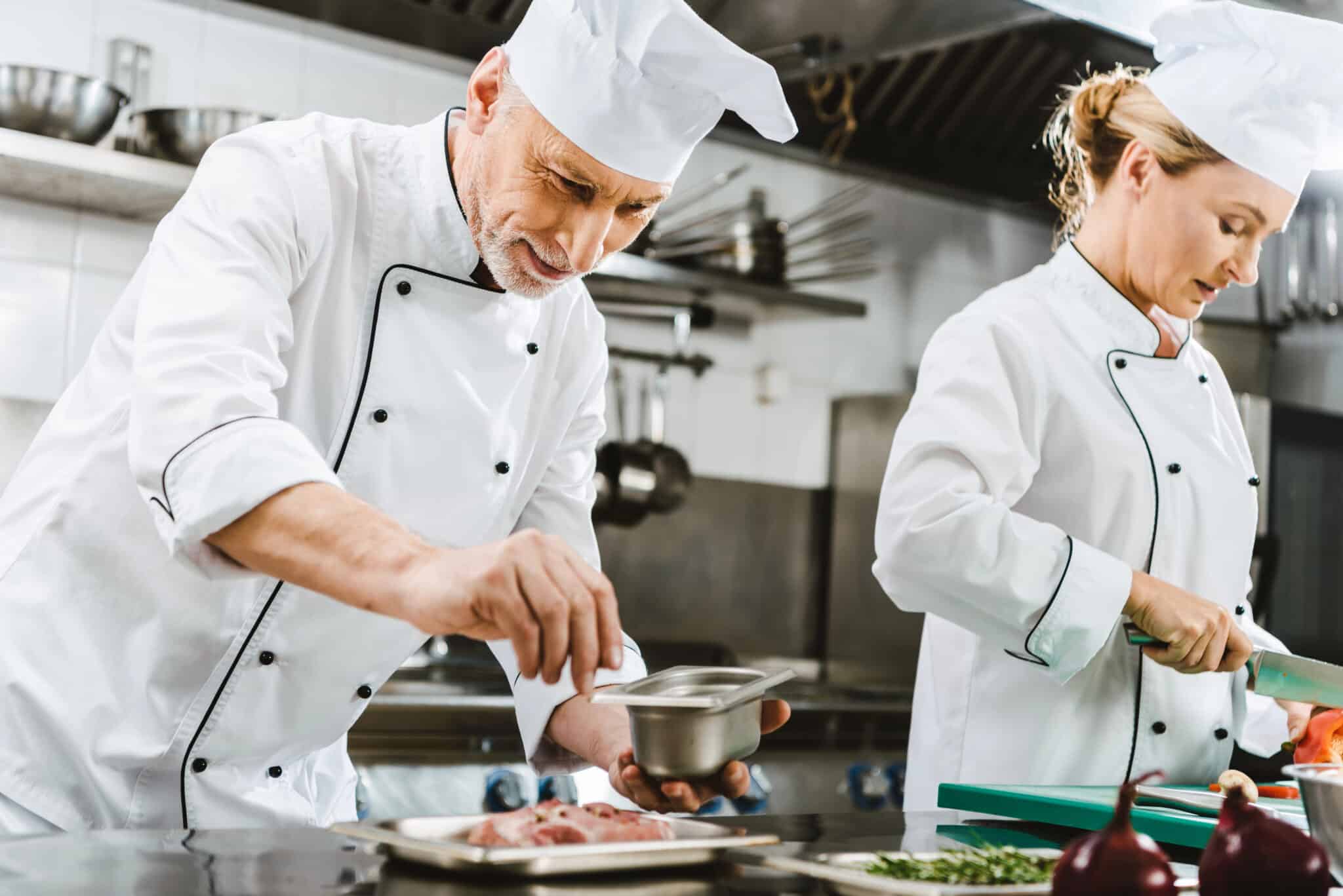

Here are 18 common mistakes that cooks often make in the kitchen, which can lead to food poisoning:
- Not washing hands properly – Failing to wash hands with soap and water before handling food can spread harmful bacteria.
- Cross-contamination – Using the same cutting board or knife for raw meats and other foods (like vegetables) without cleaning them between uses can transfer harmful bacteria.
- Improper storage of raw meat – Storing raw meat above or alongside ready-to-eat foods in the fridge can cause juices to drip and contaminate other items.
- Not cooking food to the right temperature – Undercooking meat, poultry, or eggs may leave harmful bacteria like Salmonella and E. coli alive.
- Leaving food at room temperature for too long – Bacteria can multiply rapidly when perishable foods are left at room temperature for more than two hours.
- Improper thawing methods – Thawing food on the counter instead of in the fridge, cold water, or microwave can allow bacteria to grow on the surface before the inside is thawed.
- Not washing fruits and vegetables properly – Failing to rinse fruits and vegetables can leave harmful pesticides or bacteria on the surface.
- Not cleaning the sink or countertops – Bacteria from raw meat can linger on surfaces and contaminate other foods if not properly cleaned.
- Reusing marinades – Using the same marinade for raw meat on cooked meat without boiling it first can lead to cross-contamination.
- Not checking food expiration dates – Using expired food can increase the risk of contamination from spoiled items.
- Improper refrigeration – Storing food at temperatures above 40°F (4°C) can allow bacteria to grow. Keeping the fridge too full can also reduce airflow, making cooling inefficient.
- Using dish towels or sponges for too long – Sponges and dish towels can harbor bacteria if not cleaned or replaced regularly.
- Not rinsing cans before opening – Dirt and bacteria on the outside of cans can contaminate the food inside when opened.
- Tasting raw dough or batter with raw eggs – Raw eggs can carry Salmonella, and consuming them without cooking can lead to foodborne illness.
- Not reheating leftovers properly – Leftovers should be reheated to an internal temperature of at least 165°F (74°C) to kill any lingering bacteria.
- Improper use of food thermometers – Not using a food thermometer or using it incorrectly can result in food being undercooked.
- Washing raw meat or poultry – Washing meat can spread bacteria to nearby surfaces through splashing, which increases the risk of contamination.
- Eating food that smells or tastes “off” – Relying on smell or taste alone isn’t always a reliable method to determine whether food is safe to eat, as some bacteria don’t affect taste or odor.
Being mindful of these mistakes can help reduce the risk of food poisoning in the kitchen!
