

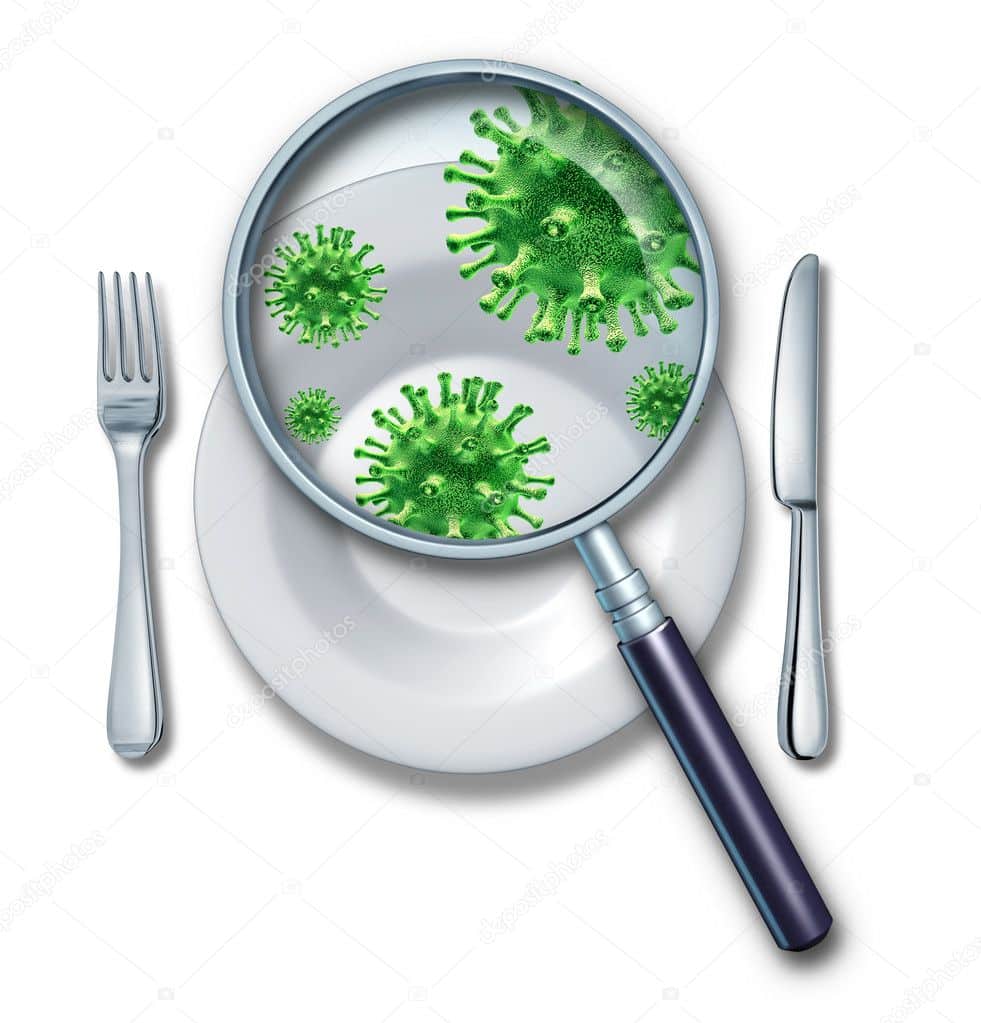

Food poisoning is a widespread issue that affects millions of people each year across the globe. It occurs when individuals consume contaminated food or drink, leading to gastrointestinal illness. While most cases of food poisoning are mild and resolve without medical intervention, some instances can be severe, leading to serious complications or even death. In these cases, it is critical for individuals to know how to manage their symptoms and when to seek professional help. Furthermore, it is also crucial to understand when and how to contact a public health agency or a food poisoning law firm in cases of serious illness due to foodborne pathogens.
This article provides a comprehensive guide on how to handle a food poisoning illness, what steps to take when symptoms are severe, and how to get in touch with the appropriate authorities, including public health agencies and legal professionals. By understanding these steps, individuals can ensure their health is properly managed, and, if necessary, they can seek justice for any harm caused by foodborne illnesses.
Understanding Food Poisoning
Food poisoning, also known as foodborne illness, is caused by eating contaminated food or drink. Contaminants can include bacteria, viruses, parasites, toxins, or chemicals. The pathogens that cause food poisoning typically live in undercooked or improperly handled food. Common culprits include Salmonella, Escherichia coli (E. coli), Campylobacter, Norovirus, and Listeria, but many other types exist.
Common Symptoms of Food Poisoning
Food poisoning symptoms can vary depending on the pathogen, the amount of contaminated food consumed, and the person’s overall health. However, common symptoms include:
- Nausea and vomiting
- Diarrhea (sometimes with blood or mucus)
- Abdominal pain and cramps
- Fever
- Headaches
- Fatigue
In most cases, food poisoning symptoms begin within hours to a few days after consuming contaminated food. The illness may last anywhere from a few hours to several days, with mild cases often resolving without the need for medical intervention. However, in certain cases, food poisoning can lead to more severe complications, requiring urgent care.
What to Do When Faced with Serious Food Poisoning Illness
If you suspect you have food poisoning and your symptoms are severe, it is crucial to take immediate action to manage your condition effectively and avoid complications.
1. Hydration and Fluid Management
The most immediate concern with food poisoning is dehydration, especially if you are experiencing vomiting and diarrhea. When fluids are lost through vomiting and diarrhea, it is essential to replenish them to prevent dehydration, which can lead to further complications. Water is the most basic and essential fluid to drink. However, it is important to replace lost electrolytes as well, especially in cases of severe vomiting or diarrhea.
Oral rehydration solutions (ORS), available over the counter or made at home, can help restore electrolytes like sodium, potassium, and glucose. If you cannot find ORS, you can make a simple solution by mixing 1 liter of water with 6 teaspoons of sugar and 1/2 teaspoon of salt.
Avoid sugary drinks, like soda or fruit juices, as they can worsen diarrhea. Also, avoid caffeine and alcohol, which can contribute to dehydration.
2. Rest and Monitoring Symptoms
Resting is essential when dealing with food poisoning. Your body requires energy to fight the infection, and rest helps conserve energy for recovery. Keep a close eye on the severity of your symptoms. If you experience severe abdominal pain, high fever, blood in your stool, or symptoms lasting longer than three days, it is crucial to seek medical attention.
Warning Signs for Serious Food Poisoning:
- Severe dehydration (dry mouth, extreme thirst, little or no urine, dizziness, or lightheadedness)
- Persistent vomiting (unable to keep fluids down)
- High fever (above 101.5°F or 38.5°C)
- Blood in stool or vomit
- Severe abdominal cramps or pain
- Prolonged symptoms lasting more than 72 hours
- Confusion or dizziness (signs of a possible neurological effect)
3. Seek Medical Attention
If you experience any of the warning signs mentioned above, it is critical to consult with a healthcare provider. In some cases, food poisoning can cause severe complications such as kidney failure, meningitis, or sepsis, all of which require urgent medical intervention. Depending on the type of pathogen, a healthcare provider may recommend treatment with medications (such as antibiotics or antivirals), fluids via IV, or hospitalization in extreme cases.
A healthcare professional can conduct laboratory tests to identify the pathogen causing your illness. This can be crucial for determining the best course of treatment and may also be important in tracking outbreaks of foodborne illnesses.
4. Avoid Further Exposure
If you have identified the source of the food poisoning (for example, a restaurant, particular food item, or a contaminated product), avoid consuming any further portions of the same food. Take note of any packaging details, such as product codes or expiration dates, as this information can help trace the source of contamination.
If the source is a restaurant or food establishment, it may be useful to contact the establishment to inform them about the potential health risks associated with the food they have served.
5. Keep a Record of Symptoms
Documenting your symptoms and when they started can be useful if you need to report the incident to a public health agency or a law firm. Write down everything you ate, when, and where, and how long it took for the symptoms to appear. If you sought medical attention, keep a record of any diagnoses, lab results, treatments, or prescriptions.
This record can help medical professionals diagnose the issue quickly and may serve as valuable evidence if you later pursue legal action or file a complaint with public health authorities.
When to Contact a Public Health Agency
Public health agencies play a crucial role in monitoring foodborne illnesses and preventing widespread outbreaks. In many cases, foodborne illnesses are the result of unsafe food practices or contamination at a production facility, which can affect many people. Reporting your illness to the appropriate health authorities can help prevent further outbreaks and ensure that the responsible parties are held accountable.
When to Contact a Public Health Agency
You should consider contacting a public health agency if you experience any of the following situations:
- The illness appears to be part of a larger outbreak: If you suspect that multiple people are experiencing similar symptoms after consuming the same food, it’s essential to notify a public health agency. Health officials can investigate whether an outbreak has occurred, trace the source of contamination, and take action to prevent further illness.
- The food poisoning was caused by a business or establishment: If you believe that a restaurant, food retailer, or food manufacturer is responsible for your illness, it is important to contact the local or national public health agency. Reporting the incident helps health officials trace potential sources of contamination, conduct inspections, and enforce food safety regulations.
- The illness is serious or results in severe complications: If the food poisoning leads to serious complications, such as hospitalization, long-term health effects, or death, public health authorities need to be alerted to investigate and take further steps to prevent future cases.
- You want to contribute to public safety: Even if your symptoms were mild and you did not require hospitalization, reporting foodborne illnesses can help public health agencies track trends, identify emerging pathogens, and improve food safety protocols.
How to Report Food Poisoning to Public Health Agencies
You can typically report foodborne illnesses to your local or national public health agency, such as the Centers for Disease Control and Prevention (CDC) in the United States or the Food Standards Agency (FSA) in the UK. Most agencies have online reporting systems or hotlines that allow individuals to file complaints or provide information on outbreaks.
When reporting food poisoning, be prepared to provide:
- The food you ate
- The date and time you ate it
- Any packaging information (brand, product code, etc.)
- The name and location of the food establishment, if applicable
- A description of your symptoms
- Any medical attention you received
Reporting foodborne illness helps health agencies track patterns and identify the sources of outbreaks more effectively.
When to Contact a Food Poisoning Law Firm
In cases where food poisoning leads to significant health complications, including hospitalization, long-term effects, or loss of income, you may consider contacting a food poisoning law firm to explore your legal options. A law firm specializing in foodborne illness can help you understand whether you have a valid claim for compensation and assist in navigating the legal process.
When to Contact a Food Poisoning Law Firm
You should consider contacting a food poisoning law firm under the following circumstances:
- Serious illness or hospitalization: If you are seriously ill and require hospitalization, it may be appropriate to seek legal advice. A law firm can help you determine whether the foodborne illness was caused by negligence or unsafe food handling practices and whether you are entitled to compensation for medical expenses, lost wages, and pain and suffering.
- Long-term or permanent health effects: Some foodborne illnesses can result in long-term or permanent health complications, such as kidney damage, neurological issues, or chronic gastrointestinal problems. In these cases, legal action may be necessary to recover compensation for ongoing medical treatment, rehabilitation, and other associated costs.
- You believe a business or producer is at fault: If you believe that a restaurant, food manufacturer, or food retailer is responsible for your food poisoning due to unsafe food practices, poor hygiene, or faulty products, a food poisoning law firm can help you gather evidence and pursue a claim.
- Multiple victims or a large outbreak: If you are part of a larger group of people who have suffered from the same foodborne illness (e.g., a restaurant outbreak or contaminated product), a law firm can help organize the case and seek compensation for multiple victims collectively. In some cases, food poisoning law firms may handle class-action lawsuits involving large outbreaks.
How a Food Poisoning Law Firm Can Help
A food poisoning lawyer can provide valuable support in building a case. Their services may include:
- Investigating the cause of the illness: Lawyers can work with medical professionals and public health experts to determine the cause of your foodborne illness and identify any liable parties.
- Gathering evidence: Legal professionals can help gather evidence such as medical records, food packaging, restaurant receipts, and other documentation to support your claim.
- Negotiating with insurance companies: A food poisoning law firm can handle negotiations with insurance companies or the responsible parties to ensure you receive fair compensation for your injuries.
- Filing a lawsuit: If negotiations fail, a lawyer can file a personal injury lawsuit on your behalf and represent you in court.
Serious Cases of Food Poisoning Require Action
Food poisoning is a common but serious health issue that can have lasting effects on your health and well-being. While most cases of foodborne illness resolve on their own with proper care and hydration, severe instances can lead to hospitalization, long-term complications, or even death. It is essential to know when to seek medical attention, when to contact a public health agency, and when to consider legal action. By understanding these steps, you can ensure your health is properly managed and take appropriate action to seek justice if you are the victim of negligence or unsafe food practices.
