


Vibrio bacteria, particularly Vibrio vulnificus and Vibrio parahaemolyticus, pose serious health risks to individuals who consume contaminated seafood or come into contact with seawater where these bacteria thrive. In severe cases, infection with Vibrio can lead to hospitalization or even death, prompting affected individuals and their families to consider legal action. A Vibrio lawsuit may become necessary to secure compensation for medical expenses, lost wages, and other damages, especially if the contamination results from negligence in food handling, storage, or labeling practices. To understand when filing a Vibrio lawsuit is prudent, it is crucial to explore what Vibrio is, the foods that commonly carry it, and the circumstances under which a lawsuit may be warranted.
What is Vibrio? Understanding the Bacteria and Its Impact
Vibrio bacteria are naturally found in coastal waters and thrive in warm, salty environments. Although there are several species of Vibrio, the two most concerning for human health are Vibrio vulnificus and Vibrio parahaemolyticus. These bacteria are particularly abundant in warm months, when seawater temperatures rise, leading to higher concentrations in shellfish and other seafood harvested from affected waters.
Infections caused by Vibrio bacteria, known as vibriosis, can manifest differently depending on the specific species involved. Vibrio parahaemolyticus generally causes gastrointestinal illness, with symptoms like diarrhea, vomiting, and abdominal cramps. However, Vibrio vulnificus is far more severe and can lead to invasive infections that affect the bloodstream and cause life-threatening complications. People with weakened immune systems or chronic liver conditions are particularly vulnerable to Vibrio vulnificus infections and may face a higher risk of severe complications, including septicemia and death.
While Vibrio bacteria are naturally occurring, their presence in seafood—particularly raw or undercooked shellfish—poses a significant risk to consumers. Understanding the common carriers of Vibrio is essential for identifying potential sources of infection and determining when legal action may be warranted.
Common Carriers of Vibrio: Foods to Be Cautious With
Vibrio bacteria primarily inhabit saltwater environments, meaning seafood is the most common carrier. However, not all seafood is equally risky. The main foods associated with Vibrio infections include:
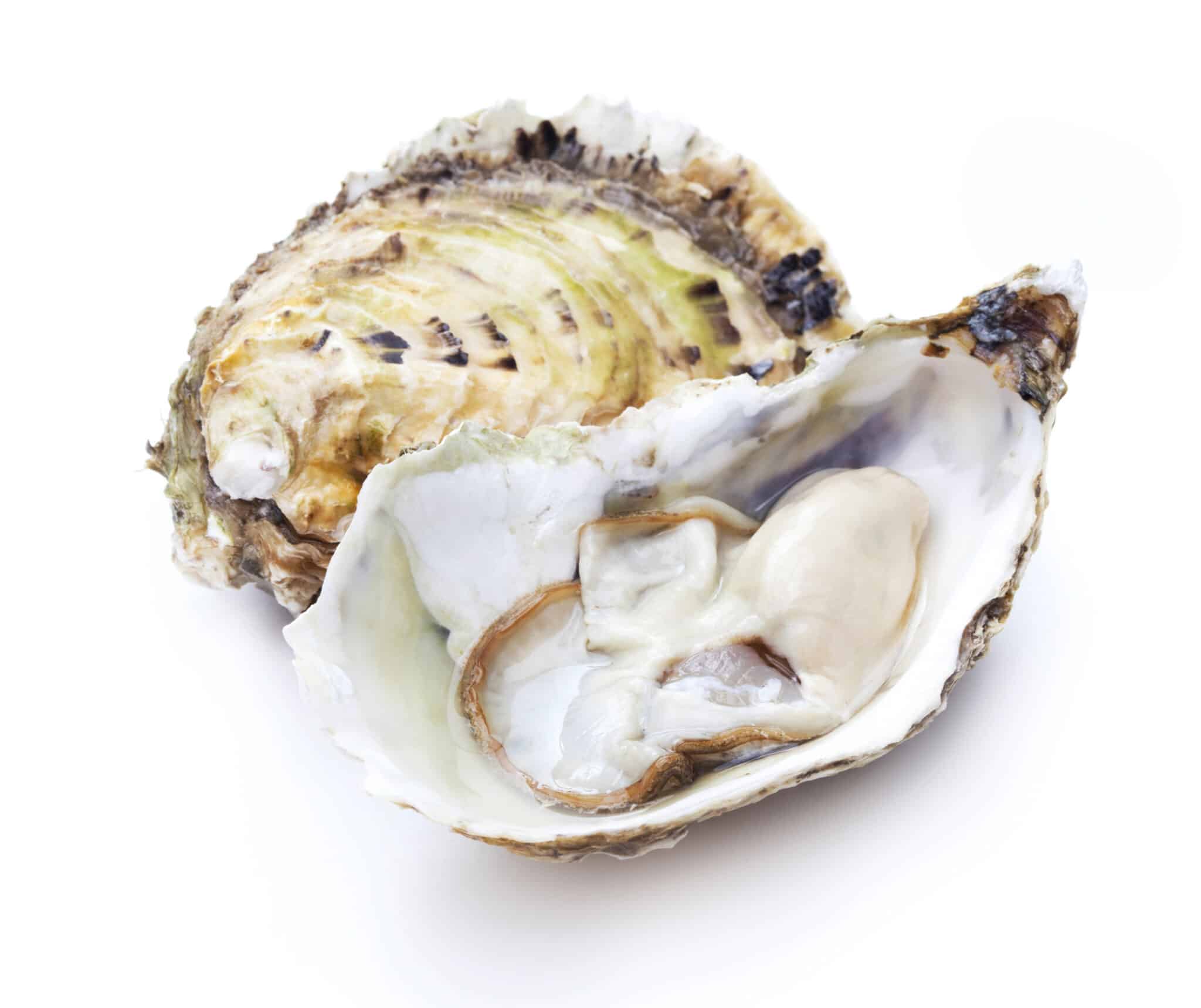
- Raw Oysters: Oysters are the primary vehicle for Vibrio bacteria, especially when they are harvested from warm, brackish waters. The filter-feeding nature of oysters allows them to accumulate bacteria from their environment, making them particularly susceptible to contamination. Raw or undercooked oysters are the leading cause of foodborne Vibrio infections in humans.
- Other Shellfish: While oysters pose the highest risk, other types of shellfish like clams, mussels, and crabs can also harbor Vibrio bacteria. Cooking these foods thoroughly can kill the bacteria, but cross-contamination during preparation is a concern, especially in settings where raw and cooked seafood may come into contact.
- Finfish and Other Seafood: Though less commonly associated with Vibrio infections, other seafood harvested from warm saltwater regions may also carry the bacteria. Again, proper cooking is essential to reduce the risk of infection.
- Seawater Exposure: While not a food source, it is worth noting that individuals who have open wounds and come into direct contact with seawater containing Vibrio vulnificus are at risk of infection. This aspect is significant, especially for seafood industry workers or individuals involved in activities like fishing or boating in Vibrio-prone waters.
Given these sources, individuals who consume raw or undercooked seafood, particularly oysters, are at risk of vibriosis. Therefore, food establishments and suppliers must ensure they follow safety protocols to minimize contamination risk.
When is it Prudent to File a Vibrio Lawsuit?
Filing a lawsuit may become prudent when there is evidence of negligence or failure to adhere to food safety standards on the part of the seafood supplier, processor, or establishment that served the contaminated food. Specific situations where legal action may be warranted include:
- Negligent Food Handling or Preparation: Restaurants and seafood vendors are responsible for handling, storing, and preparing seafood safely. If a food establishment serves raw or undercooked seafood without warning customers about the risks, it may be liable for negligence. In cases where an establishment fails to properly store or prepare seafood, leading to contamination, affected individuals may have grounds for a lawsuit.
- Inadequate Warning Labels on Packaging: For packaged raw seafood, particularly oysters and shellfish, suppliers must label their products appropriately, especially if they are sold for raw consumption. Packaging that lacks adequate warning labels or fails to inform consumers of the risks associated with raw shellfish consumption can be grounds for legal action, especially if it leads to severe illness.
- Failure to Conduct Safety Testing: In some cases, seafood suppliers are required to test their products for contaminants, including Vibrio bacteria. Failure to conduct such testing or negligence in quality control processes can contribute to the spread of Vibrio, putting consumers at risk. If a lack of safety testing leads to contamination, individuals affected by vibriosis may have grounds for a lawsuit.
- Recurrent Violations of Food Safety Standards: If a company or establishment has a history of food safety violations or has previously been linked to Vibrio outbreaks, this may indicate a pattern of negligence. In such cases, a lawsuit can hold the responsible party accountable and encourage stricter adherence to safety protocols.
- Illness Resulting in Severe Consequences: In cases where a Vibrio infection leads to hospitalization, long-term health complications, or death, legal action may be warranted to seek compensation for medical expenses, lost income, and emotional distress. Severe cases of vibriosis, particularly those caused by Vibrio vulnificus, can have devastating consequences, and pursuing legal action can provide some relief to affected individuals and their families.
The Legal Process for a Vibrio Lawsuit
The legal process for a Vibrio lawsuit generally involves several steps, including evidence gathering, filing the claim, and possibly reaching a settlement or going to trial. Critical components of a Vibrio lawsuit include:
- Establishing Causation: The plaintiff must demonstrate that their illness was caused by consuming contaminated seafood or exposure to seawater, as opposed to other potential sources. This may involve presenting medical records, laboratory results, or epidemiological evidence linking the infection to the defendant’s product.
- Proving Negligence or Liability: Plaintiffs must prove that the defendant acted negligently or failed to meet safety standards, leading to contamination. Evidence may include records of improper storage, lack of safety testing, or inadequate labeling.
- Seeking Damages: In Vibrio lawsuits, plaintiffs may seek compensation for medical expenses, lost wages, pain and suffering, and other damages. In severe cases, such as those involving fatalities, families may seek wrongful death damages.
The Impact of Vibrio Lawsuits on Food Safety
Vibrio lawsuits play a role in encouraging safer practices within the seafood industry. As lawsuits highlight the dangers of Vibrio contamination, they pressure companies to adopt stricter safety protocols, such as improved testing, handling, and labeling procedures. The potential for legal action incentivizes seafood producers, distributors, and food establishments to prioritize consumer safety, as failing to do so can result in costly settlements, reputational damage, and regulatory scrutiny.
Limitations and Challenges in Vibrio Lawsuits
While Vibrio lawsuits can provide compensation and promote accountability, they come with certain challenges. Establishing a direct link between the seafood consumed and the infection can be difficult, particularly when multiple potential sources of contamination exist. Additionally, the costs and duration of legal proceedings may deter some individuals from pursuing claims. Despite these challenges, Vibrio lawsuits remain a viable avenue for individuals seeking justice and compensation after suffering from vibriosis.
Conclusion
Filing a Vibrio lawsuit becomes prudent when there is clear evidence of negligence, improper handling, or failure to meet safety standards by the parties responsible for producing, handling, or serving contaminated seafood. Vibrio infections, which can have severe consequences, demand accountability from those in the seafood industry. By holding companies liable for negligence, Vibrio lawsuits play a critical role in protecting consumers, raising awareness of food safety risks, and promoting practices that help prevent future outbreaks. Although limitations exist, the impact of these lawsuits on both individuals and the industry underscores the importance of legal recourse in addressing foodborne illnesses like vibriosis.
