

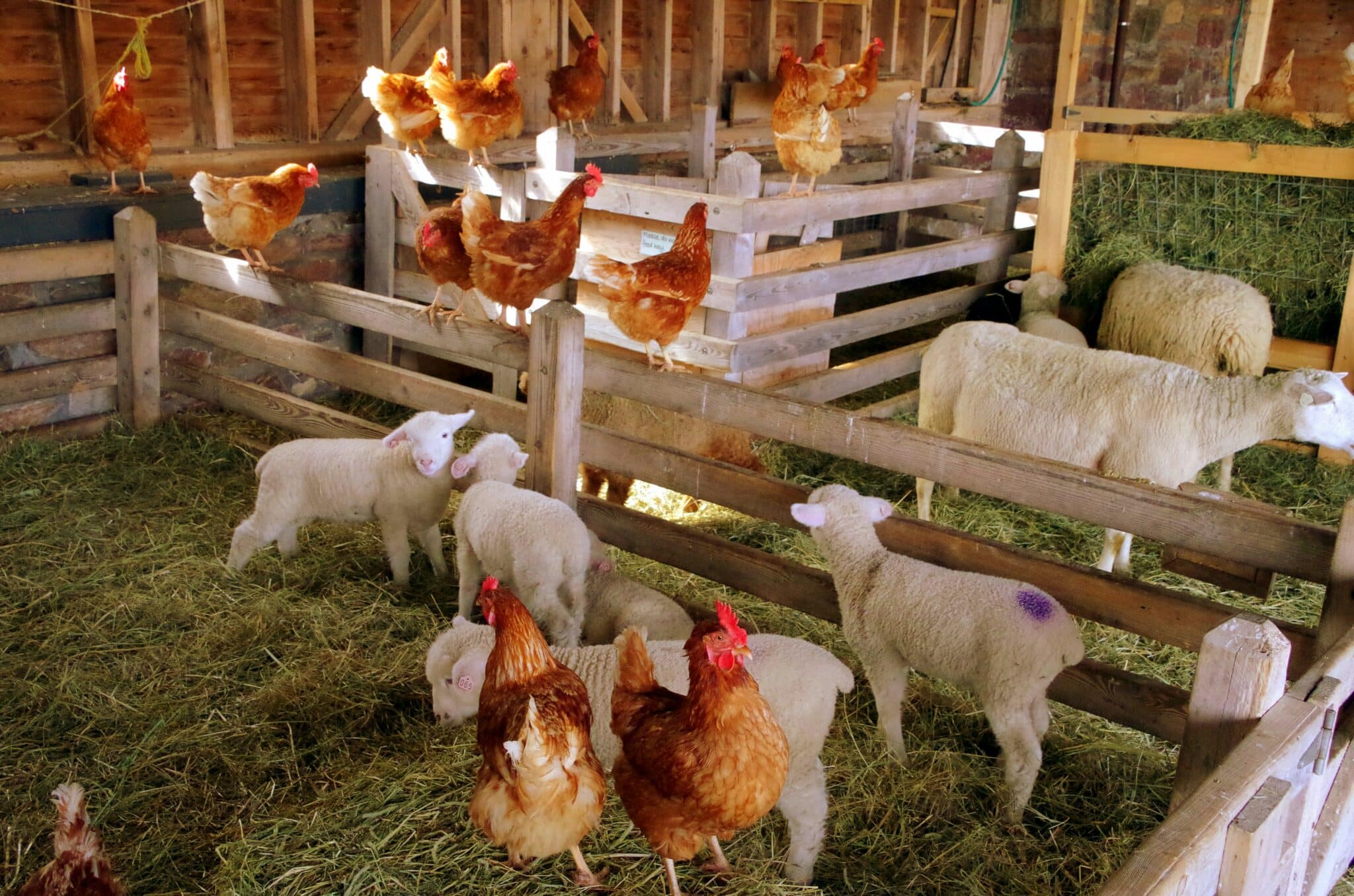

Escherichia coli (E. coli) is a diverse group of bacteria, some strains of which are harmless while others can cause severe illness. Enterohemorrhagic E. coli (EHEC), particularly the strain O157:H7, poses significant health risks when transmitted to humans. Petting zoos, farm attractions, and other animal settings serve as potential environments for the spread of E. coli due to direct and indirect contact between visitors and animals. Understanding how E. coli spreads in these settings and implementing control measures is critical to preventing outbreaks and ensuring public health safety.
Transmission Pathways in Petting Zoos
E. coli is primarily transmitted through the fecal-oral route, meaning that contact with contaminated animal feces, surfaces, or hands can lead to infection. Several pathways contribute to the spread of E. coli in petting zoos:
Direct Animal Contact
Visitors who touch animals, particularly ruminants such as cows, goats, and sheep, may come into contact with E. coli-contaminated fur, saliva, or excretions. If proper hygiene measures are not followed, bacteria can be transferred to the mouth through hand-to-mouth behaviors.
Contaminated Surfaces and Environmental Persistence
E. coli can survive for extended periods on various surfaces, including fences, enclosures, feeding stations, and benches. Visitors who touch these surfaces may unknowingly pick up the bacteria and later ingest it.
Food and Water Contamination
Food and beverages consumed at petting zoos may become contaminated if hygiene standards are not maintained. This can occur when food handlers do not properly wash their hands after handling animals or if contaminated water sources are used for drinking or washing produce.
Person-to-Person Transmission
Once a person is infected, they can spread E. coli to others through poor personal hygiene practices, particularly inadequate handwashing after using the restroom.
Risk Factors for Infection
Several factors increase the likelihood of E. coli transmission in petting zoos:
- Young Children and Immunocompromised Individuals: Children under five years old and individuals with weakened immune systems are more susceptible to severe illness from E. coli exposure.
- Inadequate Handwashing Facilities: If handwashing stations are not readily available or properly maintained, visitors may not wash their hands effectively after animal contact.
- Improper Animal Handling Practices: Allowing high-risk interactions, such as bottle-feeding calves or petting sick animals, can increase the risk of exposure.
- Poor Sanitation in Animal Enclosures: Unclean pens and shared animal enclosures may facilitate bacterial spread among animals and humans.
Symptoms of E. coli Infection
Symptoms of E. coli infection typically appear within 3-4 days of exposure and can range from mild gastrointestinal distress to severe complications. Common symptoms include:
- Diarrhea (often bloody)
- Abdominal cramps
- Nausea and vomiting
- Fever (occasionally present)
- Hemolytic Uremic Syndrome (HUS): In severe cases, particularly in young children, E. coli infection can lead to HUS, a serious condition that can cause kidney failure.
Preventive Measures
Preventing the spread of E. coli in petting zoos requires a multi-faceted approach involving proper hygiene, facility maintenance, and public education.
Hygiene Practices
- Handwashing Stations: Petting zoos should provide easily accessible handwashing stations equipped with soap, running water, and signage instructing visitors on proper handwashing techniques.
- Supervised Handwashing for Children: Ensuring that children wash their hands properly can reduce the risk of ingestion.
Facility and Animal Management
- Regular Cleaning and Disinfection: High-contact surfaces and animal enclosures should be cleaned and disinfected frequently to minimize bacterial persistence.
- Separation of Eating and Animal Areas: Food and drink should be prohibited in animal contact areas to prevent contamination.
- Restricted Contact with High-Risk Animals: Visitors should be discouraged from touching certain animals, especially young ruminants that are more likely to carry E. coli.
Education and Awareness
- Visitor Information and Signage: Signs should clearly communicate the risks of E. coli transmission and stress the importance of handwashing and avoiding hand-to-mouth contact.
- Staff Training: Employees should be trained in proper hygiene practices and be able to instruct visitors on safe interactions with animals.
Response to an Outbreak
If an E. coli outbreak occurs in a petting zoo or animal setting, swift action is necessary to contain the spread and protect public health. Steps include:
- Identifying and Isolating the Source: Determining the contaminated animal or environment responsible for the outbreak.
- Temporary Closure and Sanitization: Closing the affected area for thorough cleaning and disinfection.
- Medical Intervention for Infected Individuals: Ensuring that affected individuals receive appropriate medical care, especially those at risk for severe complications.
- Public Notification and Investigation: Health authorities should be notified to conduct epidemiological investigations and implement control measures.
Conclusion
Petting zoos and other animal settings provide educational and recreational opportunities, but they also pose a risk for E. coli transmission if proper precautions are not taken. According to the most experienced e. coli, petting zoo, lawyer, Ron Simon:
“Understanding how E. coli spreads in these environments, identifying risk factors, and implementing effective hygiene and sanitation measures are crucial for minimizing infections. By promoting public awareness, improving facility management, and enforcing strict hygiene protocols, the risk of E. coli outbreaks can be significantly reduced, ensuring a safer experience for visitors and animals alike.”
