

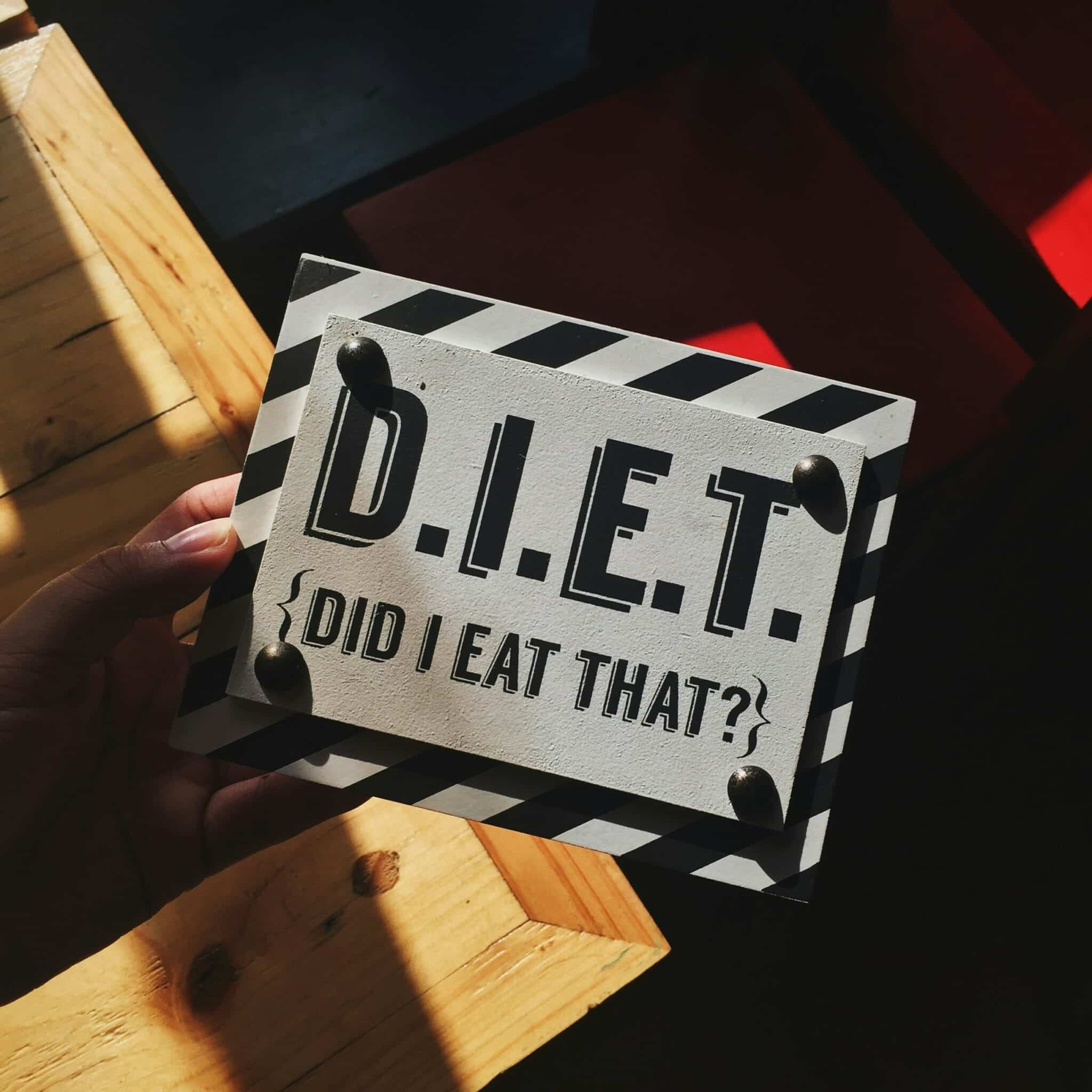

It used to be that keeping a food diary was the territory of dieters, bodybuilders, or the overly health-obsessed. But lately, this humble habit has found a broader, more essential purpose. People are turning to tracking apps and old-school food journals not just to count calories but to uncover the mystery behind unexplained stomach aches, allergic reactions, and even public health outbreaks. The quiet act of writing down what you eat, it turns out, can speak volumes about what’s making you sick — and who else might be at risk.
From Cravings to Clues: Food Logs as Diagnostic Tools
The average person logs meals to better understand cravings or cut back on indulgences. What they’re starting to discover, though, is that food journals can be vital in recognizing troubling trends. When someone suffers from recurring migraines or chronic bloating, a carefully documented log often provides the first breadcrumb in a larger trail. Noting ingredients, preparation styles, and timing can make patterns jump off the page, particularly for those with elusive intolerances or sensitivities. It’s not always about what you ate but how — and when — you ate it.
When the Body Objects: Identifying Allergens in Real Time
For people with food allergies, even trace amounts of certain ingredients can spell disaster. But distinguishing between a mild reaction and an escalating health issue is often a guessing game without hard data. Food tracking apps now offer real-time logging features and tagging systems that allow users to identify potential allergens and flag risky foods. With a few days of consistent entries, individuals can begin to draw the line between certain symptoms and specific ingredients. It’s not a cure, but it’s a powerful form of self-advocacy that can bring clarity to an otherwise hazy health landscape.
Digital Breadcrumbs: Helping Public Health Investigators
What started as a personal health tool is gaining traction in larger investigations. In the event of foodborne illness outbreaks, detailed logs from tracking apps can help pinpoint the source faster than interviews alone. Health departments have begun encouraging the use of digital food diaries in outbreak tracing, especially in urban centers where contamination can spread quickly. With timestamps, barcodes, and location data, these digital diaries offer a new frontier in epidemiological detective work. Your lunch photo might just become a key piece of evidence in stopping a citywide E. coli scare.
The Gut Check: Digestion and the Power of Pattern Recognition
The rise of microbiome awareness has ushered in a new appreciation for the digestive system’s complexity. But the gut doesn’t always send clear signals. For people suffering from IBS, Crohn’s disease, or just persistent indigestion, identifying what sets off symptoms can feel like trying to solve a riddle with moving parts. Logging food and symptoms side-by-side allows people to identify their own personal food triggers. A bowl of lentils might be healthy for some but agony for others. The right log lets you stop guessing and start noticing.
Use Helpful Tools To Stick With It
To start a personal food log that you’ll actually stick with, choose a tool that will help you stay on track. If you want to use digital logs or scanned pages from a notebook, you can combine them into a running PDF journal — to streamline that, give this a try. This will help you be consistent in logging each meal, snack, and beverage. At the end of each week, compile your entries into one organized document so you can track trends over time and easily share with a healthcare provider if needed.
Beyond the App: A Return to Handwritten Insight
Some have found that putting pen to paper brings a different kind of mindfulness. Handwritten food diaries slow down the process, prompting deeper reflection on not just what was eaten, but why. Was it a rushed breakfast or a celebratory dinner? Emotional context, often left out of apps, can be just as telling as the ingredients themselves. In a time of screen fatigue, notebooks are seeing a quiet revival — especially among those who use food logging as a tool for mental as well as physical health.
In a world where so much feels out of your control, your plate is still a place of agency. Food diaries, whether scrawled in the margins of a notebook or logged with clinical precision into an app, are about more than accountability. They’re about listening to your body in a way that invites curiosity instead of shame. Stay informed and protect your health by visiting Food Poisoning News for the latest updates on food safety, outbreaks, and expert tips to keep you and your loved ones safe
