

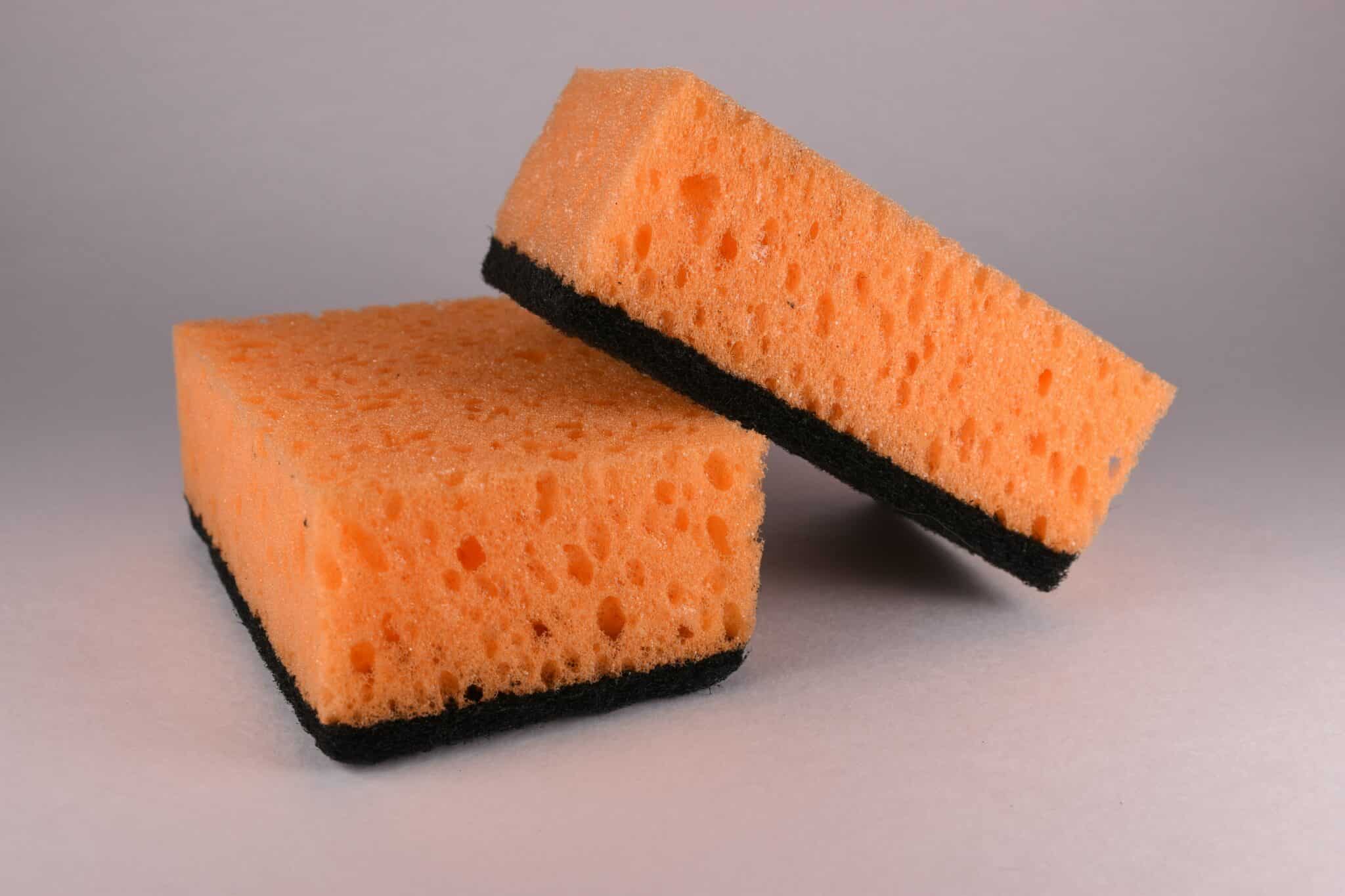

Your Kitchen Sponge: The Most Dangerous Item in the House
You might think your kitchen sponge is a helpful ally—but in reality, it’s one of the germiest objects in your home. Despite daily use, many people overlook how sponges quickly turn into bacterial breeding grounds. And because they’re often used to clean both dishes and surfaces, sponges can become super-spreaders of foodborne pathogens like Salmonella, E. coli, and Listeria. Here’s why that seemingly harmless scrubber can be a hidden hazard—and how to handle it safely.
Why Sponges Are So Dirty
Sponges are ideal for cleaning—but their structure and environment make them perfect habitats for bacteria:
- Always wet, warm, and nutrient-rich—just the kind of environment bacteria love.
- Studies show sponges often harbor millions—even billions—of bacteria, with counts surpassing those on toilet seats.
- Food residues linger inside their porous interiors, feeding germs even after rinsing.
In short, your sponge doesn’t just clean—it can spread bacteria to every surface it touches.
Study 1: Home Kitchens as a Common Setting for Foodborne Outbreaks
From 1998 to 2008, data show that 9% to 15% of reported foodborne illness outbreaks in the U.S. originated in private homes—not restaurants or public facilities. These cases frequently involved pathogens like Salmonella and norovirus, with contributing factors including cross-contamination and improper sanitation in domestic environments.
Study 2: CDC Emphasis on Cross-Contamination via Cleaning Tools
The CDC’s “Four Steps to Food Safety” framework emphasizes “Clean” as a critical first step—to wash hands and surfaces often, including utensils and countertops. While not calling out sponges explicitly, the guidelines point to the importance of cleaning tools in preventing the spread of pathogens. Improperly cleaned sponges contribute directly to surface contamination in home kitchens.
Why This Is More Than Just Gross
Here’s what makes sponge contamination especially dangerous:
- Cross-contamination: Many people use the same sponge for dishes, counters, and cutting boards. Bacteria easily transitions from sponge to food prep surfaces.
- Unsuspected risk: Sponges often look clean even when they’re not—and some pathogens don’t cause visible changes.
- Public health concern: The numbers from community studies show that this isn’t just one house; it’s a widespread issue.
How to Keep Your Kitchen Sponge Safe
Experts and food safety agencies recommend these best practices:
- Clean Frequently: Microwave the damp sponge for a minute, or run it through a sanitize cycle in the dishwasher—both eliminate over 99.9% of bacteria.
- Replace Often: Even sanitized sponges pick up germs over time. Swap them out every 1–3 weeks depending on usage.
- Avoid Raw Cross-Use: Don’t use the sponge to clean surfaces with raw meats; use disposable towels or the clean side of dual-use cloths instead.
- Let It Dry: Store sponges where they air-dry thoroughly—moisture keeps bacteria thriving.
- Consider Alternatives: Brush or microfiber cloths dry faster and harbor fewer germs.
Why It Matters
And when sponges carry antibiotic-resistant bacteria? That’s more than a minor stomach bug—it becomes a serious medical threat.
Bottom Line
Your kitchen sponge is doing the job you ask—but taking for granted that it’s safe is a mistake. Regular disinfection, timely replacement, and thoughtful handling can turn that hidden hazard back into a tool that really cleans.
Treat your sponge like you would any common household germ hotspot—and you’ll keep food poisoning risks—and antibiotics resistant threats—where they belong: out of your home.
