
Close Menu
  • Food Poisoning
    • Symptoms
    • Prevention
    • Treatment
    • Causes
  • Pathogens
    • Botulism
    • Campylobacter
    • E. coli
    • Cyclospora
    • Norovirus
    • Hepatitis A
    • Salmonella
    • Listeria
    • Shigella
  • Food Safety
    • How to wash your hands
    • Food Safty And The Holidays
  • Legal
    • Can I sue for Food Poisoning?
    • E. coli Lawyer
      • E. coli Lawsuit
    • Salmonella Lawyer
      • Salmonella Lawsuit
    • Botulism Lawyer
    • Cyclospora Lawyer
    • Shigella Lawyer
    • Hepatitis A Lawyer
  • Outbreaks and Recalls
  • Connect With A Lawyer
What's Hot

A History of Jalapeños: Foodborne Illness Outbreaks Linked to the Spicy Delicacy

August 6, 2026

Man Eats at Taco Bell, then Loses Job after Falling Ill from Cyclosporiasis

August 6, 2026

The Largest Recorded Cyclosporiasis Outbreak in U.S. History: Why the CDC Expanded the Investigation to Fifteen States

August 6, 2026
Facebook X (Twitter) Instagram
Facebook X (Twitter) YouTube
  • About
  • Contact Us
Food Poisoning NewsFood Poisoning News
  • Home
  • Food Poisoning
    • What is Food Poisoning?
      • Symptoms
      • Causes
      • Prevention
      • Treatment
      • Statistics
    • Pathogens
      • Botulism
      • Campylobacter
      • E. coli
      • Hepatitis A
      • Shigella
      • Norovirus
      • Salmonella
      • Cyclospora
      • Listeria
  • Food Safety
    • How to wash your hands
    • Food Safty And The Holidays
  • Legal
    • Salmonella Lawyer
      • Salmonella Lawsuit
    • E. coli Lawyer
      • E. coli Lawsuit
    • Cyclospora Lawyer
    • Shigella Lawyer
    • Hepatitis A Lawyer
    • Botulism Lawyer
  • Outbreaks and Recalls
Food Poisoning NewsFood Poisoning News
Home»Featured»The Surprising Risks of Pre-Washed Salad Greens
The Surprising Risks of Pre-Washed Salad Greens
Featured

The Surprising Risks of Pre-Washed Salad Greens

Kit RedwineBy Kit RedwineApril 30, 2025No Comments3 Mins Read
Share
Facebook Twitter LinkedIn Pinterest Email Reddit

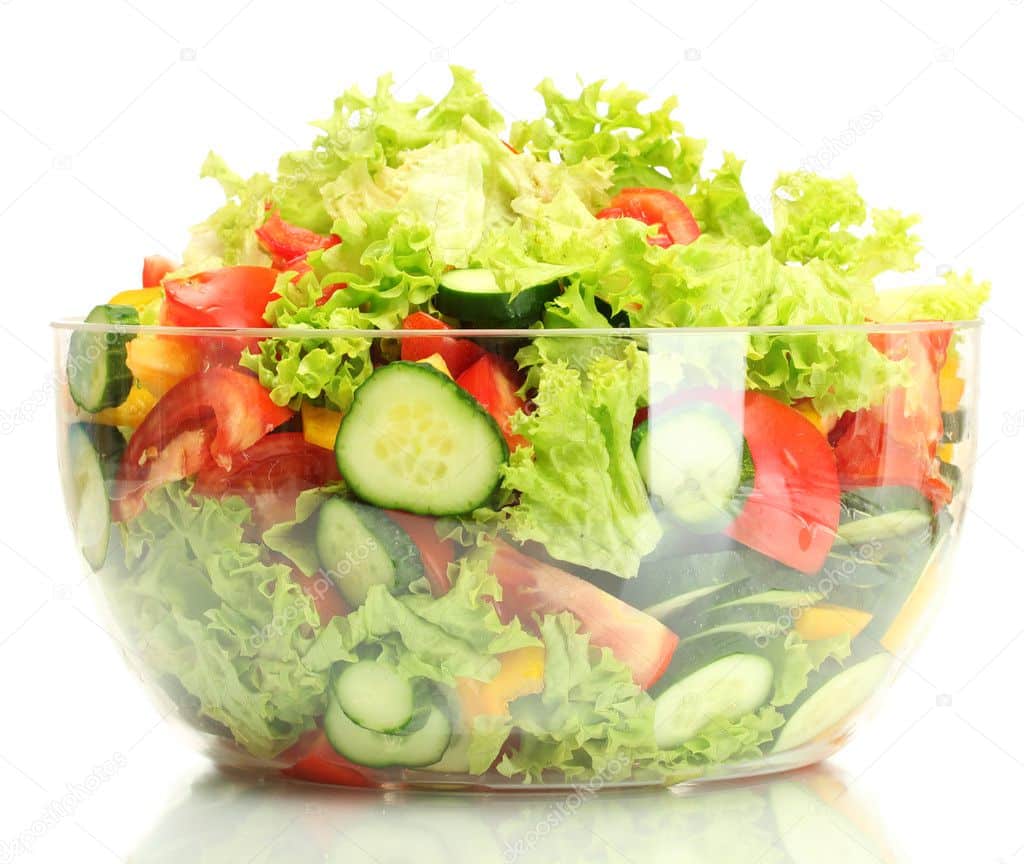
Pre-washed salad greens, marketed for their convenience and readiness to eat, have become a staple in households worldwide. However, recurring foodborne illness outbreaks linked to these products reveal systemic vulnerabilities in their production and handling. Food safety experts and recent studies highlight these persistent contamination risks, raising questions about the safety of bagged greens despite industry assurances.   

Contamination Pathways  

Leafy greens are particularly susceptible to contamination due to their growth close to the ground and exposure to environmental pathogens. Irrigation water contaminated by runoff from nearby livestock operations, such as cattle feedlots, is a primary vector for harmful bacteria like E. coli O157:H7, a strain linked to severe illnesses, including kidney failure.  For instance, lettuce farms in Arizona and California, major U.S. producers, often neighbor cattle farms, increasing the risk of pathogen transmission through water or airborne particles.   

Processing facilities, where greens from multiple farms are mixed, washed, and packaged, present additional risks. Industrial rinsing processes, which often use chlorinated water, aim to reduce pathogens but may inadvertently spread contamination if a single tainted leaf enters the system. This batch-processing method has been implicated in widespread outbreaks, as seen in a 2018 E. coli incident tied to romaine lettuce, which affected over 200 people and caused five deaths.   

The Limits of “Triple-Washed” Labels  

While labels like “triple-washed” or “ready-to-eat” suggest thorough sanitation, studies indicate that pathogens can persist. A 2010 Consumer Reports analysis found that 39% of pre-washed salads contained coliform bacteria, an indicator of fecal contamination, though no E. coli or Salmonella was detected.  Researchers note that bacteria such as Listeria can form biofilms on leaves, resisting commercial washing and thriving even under refrigeration.   

Experts warn that home rinsing pre-washed greens offers little protection and may introduce cross-contamination from kitchen surfaces. The CDC and food safety specialists advise against rewashing these products, emphasizing that improper handling at home could negate industrial safety measures.   

Industry Measures and Ongoing Challenges  

Initiatives like the Leafy Greens Marketing Agreement (LGMA) enforce strict protocols for water testing, worker hygiene, and traceability. Over 90% of U.S. leafy greens now come from LGMA-certified farms, which undergo regular audits.  Despite these efforts, a 2024 study in Trends in Food Science & Technology highlights persistent gaps, noting that contamination can occur at any stage, from irrigation to packaging, and that zero risk remains statistically unattainable.   

Consumer Guidance and Outlook  

To mitigate risks, experts recommend checking for recalls, inspecting packaging for damage, and storing greens at or below 40°F. Opting for whole heads of lettuce, which have less exposed surface area, may also reduce contamination likelihood.  While the industry continues to adopt technologies like DNA sequencing for early pathogen detection, consumers are urged to stay informed and prioritize proper storage and handling practices.   

As demand for convenience grows, balancing safety with efficiency remains a critical challenge for producers and regulators alike. The recurring nature of outbreaks continues to highlight the need for ongoing awareness in both supply chain management and consumer education.


Commenting on this article, the nation’s leading E. coli lawyer said, “Consumers who choose to wash their pre-washed greens should make sure that all surfaces that the greens touch are thoroughly sanitized so that pathogens are not accidentally introduced into the food.”

Share. Facebook Twitter Pinterest LinkedIn Tumblr Email
Avatar photo
Kit Redwine

Kit Redwine is a senior technology sales and media professional with over 20 years of experience and holds an MBA. He is skilled in technology sales, creative engagement, and building strategic relationships in multiple industries. His career is dedicated to helping organizations streamline complex project portfolios and improve workflows. He currently researches and writes weekly articles to inform and create awareness of food safety practices to help prevent foodborne illness caused by pathogens such as Salmonella, Listeria, and E. coli.

Related Posts

A History of Jalapeños: Foodborne Illness Outbreaks Linked to the Spicy Delicacy

August 6, 2026

Chipotle Pulls Jalapeños From Minnesota Restaurants as Salmonella Outbreak Grows to 110

August 4, 2026

Two Deaths Reported in Historic Cyclosporiasis Outbreak; Ron Simon & Associates Represents Hundreds of Victims Nationwide

August 3, 2026

Why Salmonella in Eggs Remains a Persistent Food Safety Challenge

July 30, 2026
Add A Comment
Leave A Reply Cancel Reply

Attorney Advertisement
Ron Simon

Subscribe to Updates

Get the latest food safety recall, outbreak, & investigation news.

Latest Posts

A History of Jalapeños: Foodborne Illness Outbreaks Linked to the Spicy Delicacy

August 6, 2026

Man Eats at Taco Bell, then Loses Job after Falling Ill from Cyclosporiasis

August 6, 2026

Salmonella Javiana – Jalapeno’s at Chipotle

August 5, 2026

Food Poisoning News is a website devoted to providing you with the most current information on food safety, dangerous pathogens, food poisoning outbreaks and outbreak prevention, and food poisoning litigation.

We're social. Connect with us:

Facebook X (Twitter) YouTube
Latest Posts

A History of Jalapeños: Foodborne Illness Outbreaks Linked to the Spicy Delicacy

August 6, 2026

Man Eats at Taco Bell, then Loses Job after Falling Ill from Cyclosporiasis

August 6, 2026

Salmonella Javiana – Jalapeno’s at Chipotle

August 5, 2026
Get Informed

Subscribe to Updates

Get the latest food safety recall, outbreak, & investigation news.

Facebook X (Twitter) YouTube
  • Home
  • About
  • Editorial Standards & Ethics Policy
  • Sourcing & Fact-Checking Policy
  • Corrections & Clarifications Policy
  • Our Authors
  • Medical Disclaimer
  • Legal Disclaimer & Attorney Advertising Notice
  • Privacy Policy
  • Terms of Use
  • Get In Touch
© 2026 Food Poisoning News. Sponsored by Ron Simon & Associates a Houston, TX law firm. Powered by ArmaVita.
Our website and content are for informational purposes only. Food Poisoning News does not provide legal advice, medical advice, diagnosis, or treatment.

Type above and press Enter to search. Press Esc to cancel.