


The consumption of raw oysters, clams, and fish is a long-standing culinary practice in many cultures, and in the United States it has become a fixture of restaurant culture from oyster bars to sushi counters. Alongside that tradition runs a parallel and well-documented record of foodborne illness. The pathogens involved are not exotic contaminants introduced through gross negligence; they are organisms that occur naturally in coastal waters, concentrate in the tissues of filter-feeding animals, and reach consumers because the product is eaten without a kill step. The resulting outbreaks are frequent, geographically dispersed, and in some cases severe enough to produce rapid hospitalization or death.
This article examines the principal biological hazards associated with raw seafood, the clinical consequences of infection, and a series of outbreaks that illustrate how these risks have manifested in practice. It draws on public health surveillance, clinical references, and contemporaneous reporting rather than a single source, and it distinguishes between pathogens that cause self-limited gastroenteritis and those capable of invasive, life-threatening disease.
The Structural Risk of Filter Feeders
The fundamental vulnerability of bivalve shellfish is biological. Oysters, clams, and mussels are filter feeders. They draw large volumes of water through their gills to capture nutrients, and in the process they concentrate bacteria, viruses, and parasites present in the surrounding water. When the animal is eaten raw, the consumer ingests whatever the animal has accumulated. This mechanism means that a product can appear, smell, and taste entirely normal while carrying a pathogenic dose. Health authorities have repeatedly stated that visual and olfactory inspection cannot identify a contaminated oyster, and that common condiments, lemon juice, hot sauce, alcohol, do not neutralize the pathogens involved.
The risks extend beyond shellfish. Raw freshwater and marine fish can carry parasites and bacteria, and cross-contamination during processing can introduce pathogens to products that are subsequently eaten without cooking. The common thread is the absence of a thermal inactivation step.
Vibrio Species: The Most Lethal Seafood-Associated Pathogen
The Vibrio family comprises several species that cause human illness. Vibrio parahaemolyticus is a leading cause of seafood-associated gastroenteritis, while Vibrio vulnificus is responsible for the most severe infections and the majority of seafood-related deaths in the United States. It is estimated that vibriosis sickens approximately 80,000 people annually in the United States, with roughly 52,000 of those cases attributable to contaminated food.
V. vulnificus is present in warm coastal waters and is most abundant from May through October. Infection occurs either through ingestion of raw or undercooked shellfish, particularly oysters, or through exposure of an open wound to seawater or raw seafood juices. The clinical course can be rapid. In a 2025 advisory, the Louisiana Department of Health reported 26 cases among state residents, all of whom were hospitalized, with five deaths. The department stated that approximately one in five people with V. vulnificus infection die, sometimes within a day or two of becoming ill. The 2025 case count was substantially higher than the state’s ten-year average of roughly ten cases and one death per year.
The severity of V. vulnificus is reflected in national data. Nationally, 150 to 200 cases are reported annually, with about half occurring in Gulf states. The mortality rate approaches 50% even with aggressive medical treatment, and the infection can progress from gastrointestinal symptoms to septicemia, blistering skin lesions, and dangerously low blood pressure within 24 to 48 hours. Among those at elevated risk are people with liver disease, cancer, diabetes, HIV, thalassemia, or conditions requiring immune-suppressing therapy, as well as those taking medication that reduces stomach acid.
The 2025 Louisiana outbreak included two deaths among people who had eaten raw Louisiana oysters, with the oysters served at restaurants in Louisiana and Florida. State health officials noted that all 26 patients were hospitalized, and 92% had at least one underlying health condition. The event was not an anomaly; it was an escalation of a pattern that public health agencies have tracked for decades.
Hepatitis A: A Viral Hazard in Shellfish
Hepatitis A virus (HAV) is a second major hazard in raw shellfish, and its transmission route is distinct from that of Vibrio. HAV is introduced into shellfish-growing waters through human fecal contamination, often from inadequate sewage treatment or infected harvesters, and the virus is concentrated by filter-feeding animals. The illness it causes is a liver infection with an incubation period that can extend for weeks, making outbreak detection and traceback more complex than for acute bacterial pathogens.
A multistate outbreak investigated by the CDC and the FDA between July 2025 and June 2026 illustrates the pattern. Thirty-seven illnesses were identified across four states, Massachusetts, Minnesota, New York, and Pennsylvania, with illness onset dates spanning nearly a year. Thirty of the 37 patients, or 81%, were hospitalized. No deaths were reported. Of the patients interviewed, 77% reported eating ceviche, 76% reported eating raw or undercooked shellfish, and 47% reported eating raw or undercooked conchas negras, or black clams. The epidemiologic signal was strong enough to identify imported frozen clams from Ecuador as the likely vehicle. As a result, the FDA issued a safety alert for La Serranita-brand concha negra products.
The outbreak is notable for its hospitalization rate. Hepatitis A is not typically a diarrheal illness; it produces fever, malaise, jaundice, and liver inflammation, and it can be severe in adults. The 81% hospitalization rate underscores that raw shellfish are not a low-consequence vehicle for this virus.
Norovirus: High Attack Rates and Rapid Spread
Norovirus is the leading cause of shellfish-associated gastroenteritis in the United States, and its epidemiology is shaped by environmental persistence and a low infectious dose. Oysters harvested from contaminated waters can carry the virus, and because norovirus is highly contagious, a single contaminated product can generate a large cluster of illnesses among people who share a meal or a restaurant venue.
The 2024 winter season produced several concurrent events. In California, the Department of Public Health reported 57 confirmed and probable norovirus cases among people who ate raw oysters from British Columbia while dining at multiple restaurants, with illness onsets between December 1 and December 9, 2024. The implicated oysters were harvested from specific areas in late November and early December, and several distributors voluntarily withdrew product from the market. In Los Angeles County, a norovirus outbreak linked to oysters served at a restaurant event on December 3, 2024, sickened more than 80 attendees, with gastrointestinal symptoms including diarrhea, nausea, abdominal pain, and vomiting; some people were hospitalized.
The clinical course of norovirus is typically self-limited, with symptoms beginning 12 to 48 hours after exposure and lasting up to three days. The public health significance lies less in individual severity than in the scale and speed of transmission, and in the fact that quick steaming is not sufficient to inactivate the virus. Cooking shellfish to an internal temperature of at least 145°F is the recommended control.
Parasitic Infections: Anisakiasis and the Limits of Freezing
Anisakiasis is a parasitic infection acquired by eating raw or undercooked marine fish or squid contaminated with larvae of the Anisakis simplex complex and related species. The larvae burrow into the mucosa of the stomach or small intestine, causing abdominal pain, nausea, and sometimes vomiting. Diagnosis and treatment often require endoscopy to visualize and remove the larvae.
The infection is most commonly reported in Japan, Spain, South Korea, Italy, and the United States, and it is associated with dishes such as sashimi, ceviche, and pickled or marinated seafood. The Merck Manual notes that raw seafood frozen using appropriate commercial procedures that kill anisakid larvae is safe for consumption, which is why commercial sushi in the United States is generally not a source of anisakiasis. The risk is concentrated in products that have not been subjected to adequate freezing or cooking.
The global burden is not trivial. A 2023 review of anisakidosis cases documented confirmed human infection in at least 34 countries, with the highest case numbers reported from Japan. The parasite is a reminder that raw seafood risk is not limited to bacteria and viruses; multicellular pathogens are part of the same ecological system.
Listeria and Smoked Fish: A Cold-Chain Problem
Listeria monocytogenes is a bacterium that poses a particular risk in ready-to-eat cold-smoked and gravlax-style fish. Cold smoking does not reach temperatures that kill the organism, the product is eaten without further cooking, and Listeria can multiply at refrigerator temperatures. A 2022 genomic and epidemiological study identified 22 independent listeriosis outbreaks in Germany between 2010 and 2021 linked to smoked and graved salmon products, and concluded that these products pose a serious risk for listeriosis infection.
The clinical profile of listeriosis differs from that of Vibrio and norovirus. Invasive listeriosis can cause fever, muscle aches, headache, stiff neck, confusion, loss of balance, and convulsions, and it is especially dangerous for pregnant women, newborns, adults 65 and older, and people with weakened immune systems. In pregnant women, infection may cause only mild flu-like illness but can lead to miscarriage, stillbirth, premature delivery, or life-threatening infection of the newborn. A 2026 recall of cold smoked Norwegian salmon in New York State, triggered by product sampling, noted that no illnesses had been reported, but the recall notice described ready-to-eat cold smoked fish as a well-known vehicle for Listeria precisely because the product is not cooked before consumption.
Salmonella: An Emerging Concern in Oysters
Salmonella is not traditionally the first pathogen associated with raw oysters, but a 2025 outbreak demonstrated that shellfish can serve as a vehicle for enteric bacteria as well as for Vibrio and viruses. As of December 23, 2025, the CDC reported 64 people infected with an outbreak strain of Salmonella Telelkebir across 22 states. Twenty people were hospitalized, a rate higher than typically seen in oyster-associated outbreaks. Among 27 people interviewed, 20 reported eating raw oysters, a proportion far higher than the 1.6% who reported eating raw oysters in the FoodNet Population Survey, which tracks foodborne illness trends.
The mechanism by which Salmonella enters oyster tissue is less direct than for Vibrio, which occurs naturally in coastal waters. Salmonella is a fecal organism, and its presence in shellfish implies contamination of harvest waters or post-harvest handling. The outbreak was large enough to span 22 states, and the hospitalization rate of nearly one in three cases indicates that the strain was capable of causing serious illness.
Prevention and the Limits of Individual Choice
Public health guidance on raw seafood is consistent across agencies: the only reliable method to eliminate the pathogens discussed here is thorough cooking. For shellfish, that means an internal temperature of at least 145°F. For fish, adequate freezing can inactivate parasites such as Anisakis, but it does not reliably eliminate bacteria or viruses. Neither lemon juice, hot sauce, nor alcohol provides a meaningful kill step.
Individual avoidance is complicated by the fact that risk is not evenly distributed. People with liver disease, diabetes, cancer, HIV, thalassemia, immune-suppressing therapy, reduced stomach acid, or recent stomach surgery face a markedly higher risk of severe V. vulnificus infection, and pregnant women face elevated risk from Listeria. For these groups, the calculus is not a matter of culinary preference but of medical risk.
At the population level, the recurrence of outbreaks across different pathogens and different seafood commodities points to systemic factors: the ecology of coastal waters, the difficulty of ensuring that harvest areas remain free of human sewage and naturally occurring pathogens, the limits of post-harvest testing, and the fact that a product intended for raw consumption bypasses the most effective control measure available. The 2025–2026 hepatitis A outbreak linked to frozen clams, the 2025 Salmonella Telelkebir outbreak linked to raw oysters, the 2024 norovirus outbreaks linked to oysters from British Columbia and other sources, and the recurring Vibrio vulnificus deaths in the Gulf states are not isolated failures. They are expressions of a persistent hazard that is managed but not eliminated.
For consumers, the practical implication is that raw seafood carries a nonzero and sometimes unpredictable risk, and that the risk is highest for those with underlying conditions. For public health officials, the record supports continued surveillance of harvest waters, rapid traceback when outbreaks occur, and clear communication that the pathogens involved are not detectable by sight, smell, or taste. The culinary tradition is unlikely to disappear; the hazard it carries is equally unlikely to be fully removed.
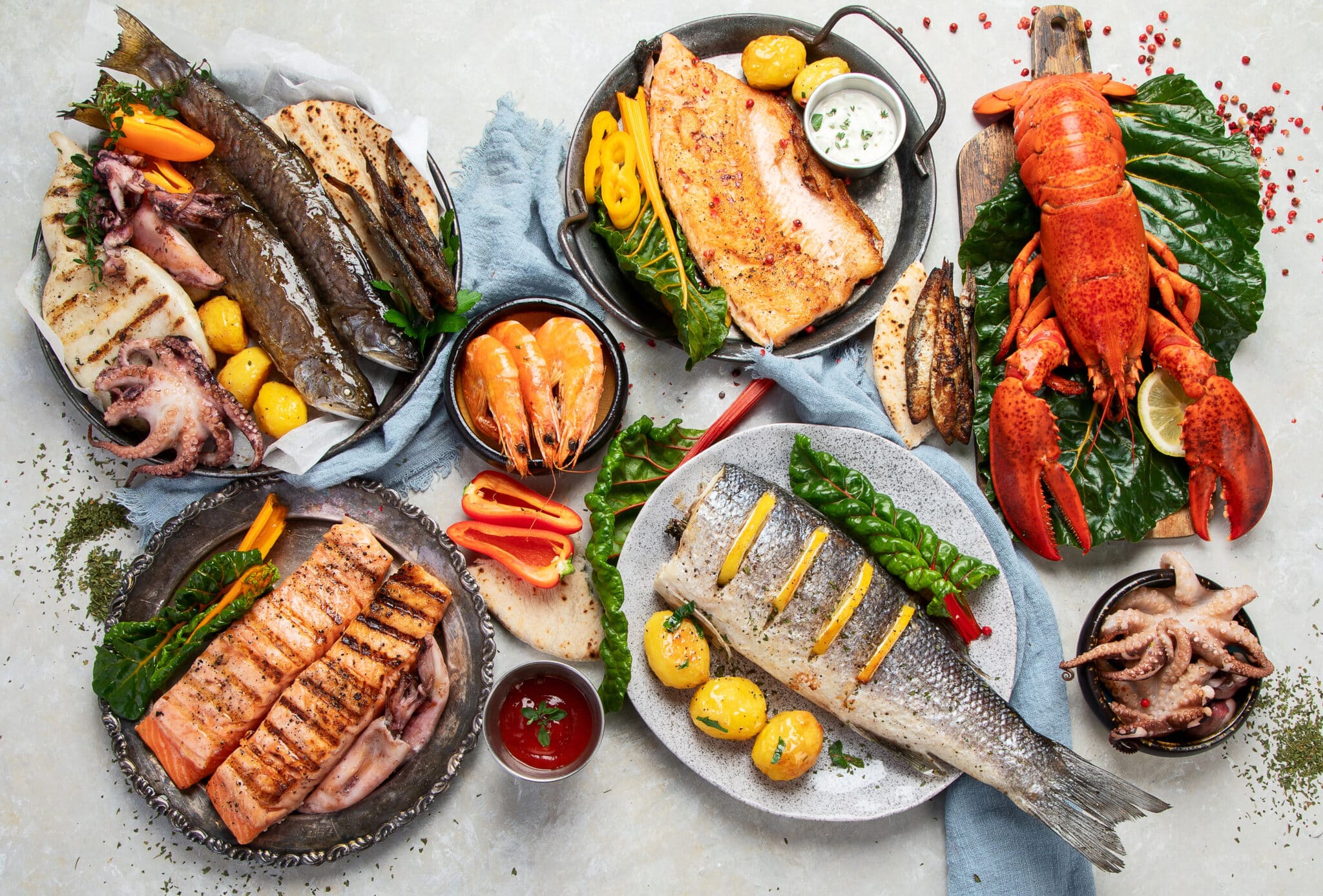
Raw Seafood: A Survey of Pathogens, Outbreaks, and the Limits of Culinary Tradition

Kit Redwine
Kit Redwine is a senior technology sales and media professional with over 20 years of experience and holds an MBA. He is skilled in technology sales, creative engagement, and building strategic relationships in multiple industries. His career is dedicated to helping organizations streamline complex project portfolios and improve workflows. He currently researches and writes weekly articles to inform and create awareness of food safety practices to help prevent foodborne illness caused by pathogens such as Salmonella, Listeria, and E. coli.
Related Posts
Add A Comment