

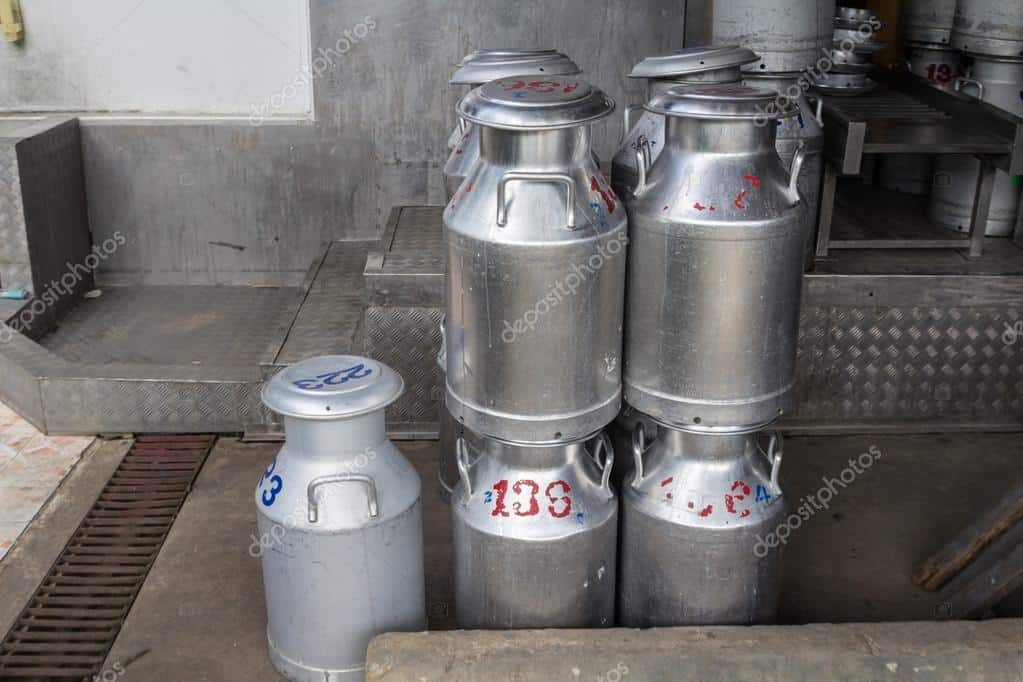

Brucellosis, a bacterial infection historically linked to raw dairy consumption, is reemerging as a public health concern amid growing consumer interest in unpasteurized milk and cheese. Caused by Brucella bacteria, the disease, once nearly eradicated in many regions, has seen sporadic outbreaks tied to the consumption of untreated dairy products, prompting renewed warnings from health agencies.
Rising Risks Amid Raw Milk Trends
Unpasteurized dairy sales in the U.S. surged by 65% between 2023 and 2024, driven by perceptions of raw milk as a nutrient-rich, “natural” alternative to processed products. However, this trend conflicts with decades of evidence showing pasteurization’s role in eliminating pathogens like Brucella, Salmonella, and E. coli. A 2017 study found that raw milk is 840 times more likely to cause foodborne illness than pasteurized milk, with brucellosis posing particular risks due to its severe chronic complications, including arthritis, endocarditis, and neurological issues.
Recent Outbreaks and Strain Concerns
In 2022, a Shiraz Province study found 5.04% of unpasteurized dairy samples contaminated with Brucella, primarily in raw milk (18.75%) and yogurt (6.25%). Notably, the Brucella abortus RB51 strain, a vaccine-derived variant resistant to antibiotics like rifampin, has been linked to U.S. outbreaks. A 2017–2018 CDC investigation traced RB51 infections in 19 states to raw milk from a Pennsylvania farm, highlighting cross-state distribution risks. Despite RB51’s rarity, its resistance complicates treatment, requiring tailored antibiotic regimens.
Vulnerable Populations and Transmission Pathways
Brucellosis primarily affects individuals in high-risk occupations (veterinarians, farmers) and regions with lax dairy regulations. However, recent cases have involved urban consumers seeking “clean” or artisanal foods. The bacteria spread through ingestion of contaminated milk, undercooked meat, or inhalation during animal processing. Symptoms, fever, joint pain, fatigue, often mimic flu, leading to delayed diagnosis and treatment.
Regulatory and Educational Gaps
While the FDA prohibits interstate raw milk sales, 30 states permit intrastate sales or herd shares, creating enforcement challenges. The CDC advocates for stricter oversight and public education, emphasizing that pasteurization does not compromise nutritional value. However, advocates argue that contamination often stems from vaccination errors (e.g., improper RB51 administration) rather than inherent milk risks, citing low case numbers relative to consumption rates.
Global Implications and Preventative Measures
Globally, brucellosis remains endemic in parts of Asia, Africa, and the Middle East, where unpasteurized dairy is culturally entrenched. China reported 122 cases in 2016 tied to raw goat milk, underscoring the need for improved veterinary surveillance and food safety protocols. Health agencies recommend avoiding raw dairy, using food thermometers for meat, and wearing protective gear when handling animals.
As debates over food freedom and safety intensify, the resurgence of brucellosis serves as an example of the tension between consumer trends and evidence-based health practices. With antibiotic-resistant strains on the radar, balancing risk mitigation and dietary choice remains a critical challenge for policymakers and healthcare providers alike.
