


Is It Food Poisoning from a Restaurant? How to Identify the Signs and What to Do Next
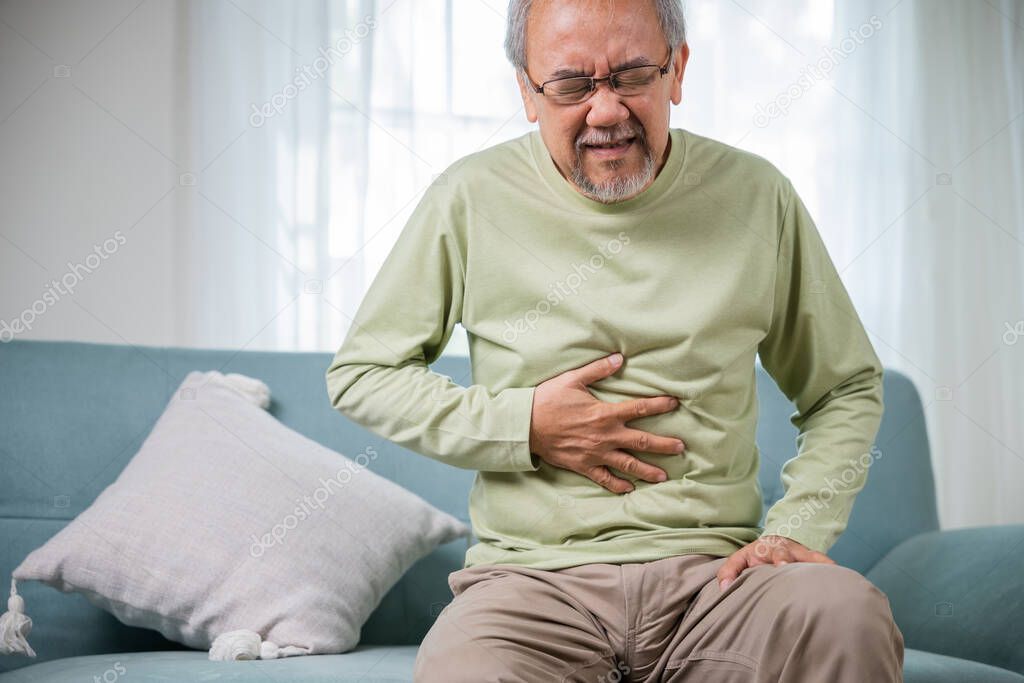
Food poisoning can be a miserable experience—sudden nausea, vomiting, diarrhea, abdominal pain, and sometimes fever that comes out of nowhere. But one of the most confusing aspects for many people is determining where exactly the illness came from. If you’ve recently eaten out, it’s natural to wonder if a restaurant meal was the culprit. Identifying whether your illness is the result of food poisoning from a restaurant involves recognizing symptoms, timing, patterns among other diners, and knowing how to report your case. Here’s what you need to know.
Recognizing Food Poisoning Symptoms
Foodborne illnesses are caused by consuming contaminated food or beverages that contain bacteria, viruses, parasites, or toxins. Common symptoms include:
- Nausea
- Vomiting
- Diarrhea (sometimes bloody)
- Stomach cramps
- Fever
- Fatigue
These symptoms typically appear between 1 hour and 3 days after eating contaminated food but can vary depending on the pathogen. For example:
- Staphylococcus aureus toxin can cause symptoms in as little as 30 minutes.
- Salmonella usually takes 6 to 72 hours.
- Listeria can take up to 70 days to show symptoms.
Did It Come from a Restaurant? Key Clues
Determining whether your illness was caused by a meal at a restaurant can be tricky, but several indicators can help:
1. Onset Timing
Think back to when you started feeling sick. Food poisoning symptoms often appear within hours to a few days after eating contaminated food. Consider the last several meals you had, especially anything eaten at a restaurant in the 6–48 hour window prior to symptoms.
2. Meal Details
Try to remember what you ate. Was it raw or undercooked (like oysters, sushi, or rare beef)? Did it seem improperly stored or reheated? High-risk foods—like eggs, poultry, dairy, and deli meats—are common sources of contamination if mishandled.
3. Others Got Sick Too
One of the strongest indicators that a restaurant is responsible is if others who dined with you also got sick. Public health departments use this kind of pattern recognition in outbreak investigations.
4. Severity and Duration
Mild foodborne illnesses may resolve in a day or two. Severe or prolonged symptoms (like bloody diarrhea, high fever, or dehydration) can suggest a more serious infection and should prompt medical attention.
Common Foodborne Pathogens from Restaurants
Restaurants can serve as vectors for several pathogens if proper hygiene and food handling aren’t followed:
- Salmonella (often from undercooked eggs, poultry, or contaminated produce)
- Norovirus (spread by infected workers or dirty surfaces)
- E. coli O157:H7 (often from undercooked beef or contaminated greens)
- Clostridium perfringens (from foods left out too long)
- Listeria (from deli meats, soft cheeses, and improperly stored food)
When to Seek Medical Attention
Most food poisoning cases resolve without treatment, but see a doctor if you experience:
- Symptoms lasting more than 3 days
- High fever (above 102°F/39°C)
- Signs of dehydration (dry mouth, dark urine, dizziness)
- Blood in stool or vomit
- Severe abdominal pain
A stool sample may help identify the pathogen and confirm whether your illness is foodborne.
How to Report Restaurant Food Poisoning
If you believe a restaurant caused your illness, it’s important to report it—even if you’re not 100% sure. Doing so can help prevent others from getting sick.
- Contact Your Local Health Department:
Most counties and states have an online form or hotline for reporting suspected foodborne illnesses. - Provide Details:
Include the name and address of the restaurant, what and when you ate, your symptoms, when they began, and whether others in your party were also affected. - Keep Receipts and Leftovers:
If possible, retain any receipts or food from the meal, as they may be useful in an investigation. - Talk to Your Doctor:
If your doctor suspects food poisoning, they may notify health authorities as well.
What Happens After You Report
After receiving a report, health departments may:
- Interview you and other diners
- Inspect the restaurant
- Test food or employee samples
- Look for patterns suggesting a larger outbreak
Restaurants found to have violated health codes may face warnings, fines, or closures until they correct the issues.
Final Note
Food poisoning is unpleasant, but recognizing the signs, tracking what you ate, and acting quickly can help you recover faster and potentially protect others. If you suspect a restaurant is the source, don’t hesitate to report it. Not only can your actions help hold establishments accountable, but they also play a vital role in maintaining public health.
