

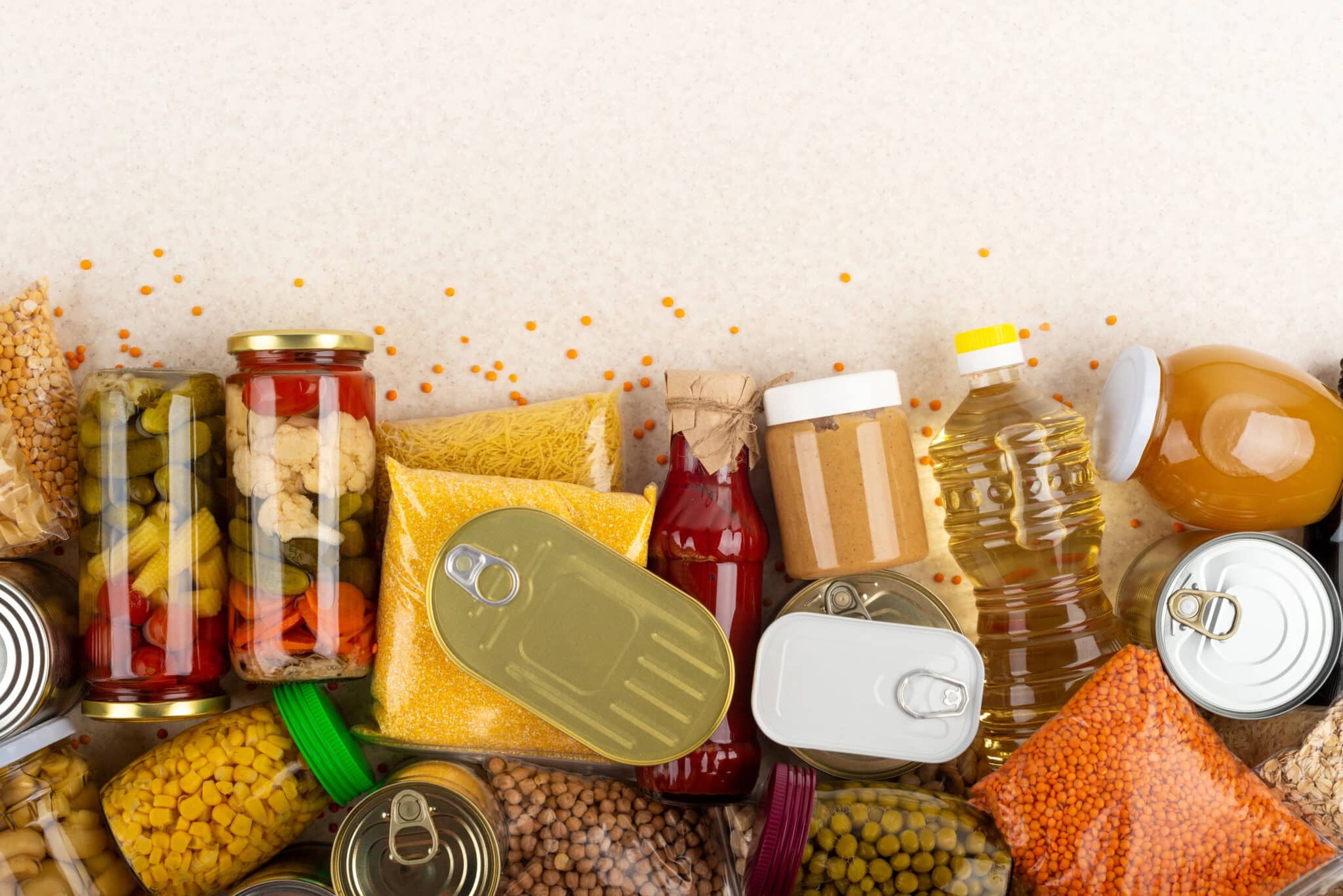

Non-perishable foods are a pantry staple, especially in emergency preparedness, long-term storage, and day-to-day convenience. But “non-perishable” doesn’t mean “lasts forever.” These items do have a shelf life, and knowing how long they truly last can help reduce waste, prevent foodborne illness, and save money.
What Is a Non-Perishable Food?
Non-perishable foods are items that don’t spoil quickly and can be stored at room temperature for extended periods. Unlike perishable items like fresh fruits, vegetables, dairy, and meat, non-perishables typically include canned goods, dried foods, grains, and shelf-stable products.
Shelf Life of Common Non-Perishable Foods
1. Canned Goods
- Shelf life: 1 to 5 years (sometimes longer if stored properly)
- Examples: Canned vegetables, soups, beans, tuna, fruits
- Storage tip: Store in a cool, dark, dry place. Avoid cans that are rusted, bulging, or dented.
According to the USDA, canned goods can often be safe to eat beyond their “best by” date, as long as the seal is intact and the can shows no signs of damage.
2. Dry Grains and Pasta
- White rice: Up to 30 years when stored properly (oxygen-free and in mylar bags)
- Brown rice: 6 months to 1 year (because of higher oil content)
- Pasta: 1 to 2 years beyond the “best by” date
- Storage tip: Use airtight containers; keep in a cool, dry place
The Utah State University Extension states that white rice and other low-oil grains can be stored for decades if kept in oxygen-free containers with moisture absorbers.
3. Dried Beans and Lentils
- Shelf life: Up to 2 years (though safe beyond that, they may require longer cooking)
- Storage tip: Keep sealed and dry. Rotate stock every couple of years for optimal texture and taste.
A study published in the Journal of Food Science found that dried beans are still safe after several years but may have slightly reduced nutritional value and quality.
4. Flour and Baking Ingredients
- All-purpose flour: 6 to 12 months (unopened), 6 to 8 months (opened)
- Sugar: Indefinite shelf life if kept dry
- Baking soda and baking powder: 6 months to 1 year
- Storage tip: Use airtight containers to prevent moisture and insects.
Sugar and salt are among the longest-lasting kitchen staples due to their low moisture content. The FDA recommends keeping them in airtight containers in a cool, dry space.
5. Shelf-Stable Dairy Alternatives
- Powdered milk: 1 to 2 years
- Shelf-stable plant milks (e.g., almond, soy): 6 to 12 months unopened; use within 7–10 days once opened
- Storage tip: Refrigerate once opened, even if they were shelf-stable before opening.
6. Peanut Butter and Nut Butters
- Shelf life: 6 to 9 months unopened; 2 to 3 months after opening
- Natural varieties (without preservatives): Shorter shelf life; refrigerate after opening
7. Honey
- Shelf life: Honey’s shelf life is Indefinite if stored in a sealed container
- Note: Honey may crystallize over time but is still safe to eat. Gently heat to restore consistency.
According to the National Honey Board, honey never truly spoils due to its low moisture content and acidic pH.
Understanding Food Labels
It’s essential to differentiate between terms like:
- “Best By”: Indicates quality, not safety. The food may still be safe to consume.
- “Sell By”: Guide for retailers; not a safety indicator for consumers.
- “Use By”: Typically refers to peak quality or safety, especially for perishable items.
The USDA states that many foods are safe past these dates if properly stored.
Tips for Extending Shelf Life
- Use airtight containers to protect against moisture, pests, and oxidation.
- Keep your pantry cool and dry, ideally below 75°F (24°C).
- Practice First In, First Out (FIFO) to rotate older stock forward.
- Vacuum seal or use mylar bags with oxygen absorbers for long-term storage of grains, beans, and dehydrated items.
- Check packaging for damage, including rust, leaks, or swelling in canned goods.
Final Note
Non-perishable foods are a crucial component of food security and convenience. While they’re designed to last longer than perishables, they are not immune to spoilage. Understanding the true shelf life of pantry staples helps reduce food waste, prevents health risks, and ensures that your emergency or day-to-day food supply remains safe and nutritious. Regularly inspecting, rotating, and properly storing non-perishable foods is a simple but effective way to make the most of your pantry.
