

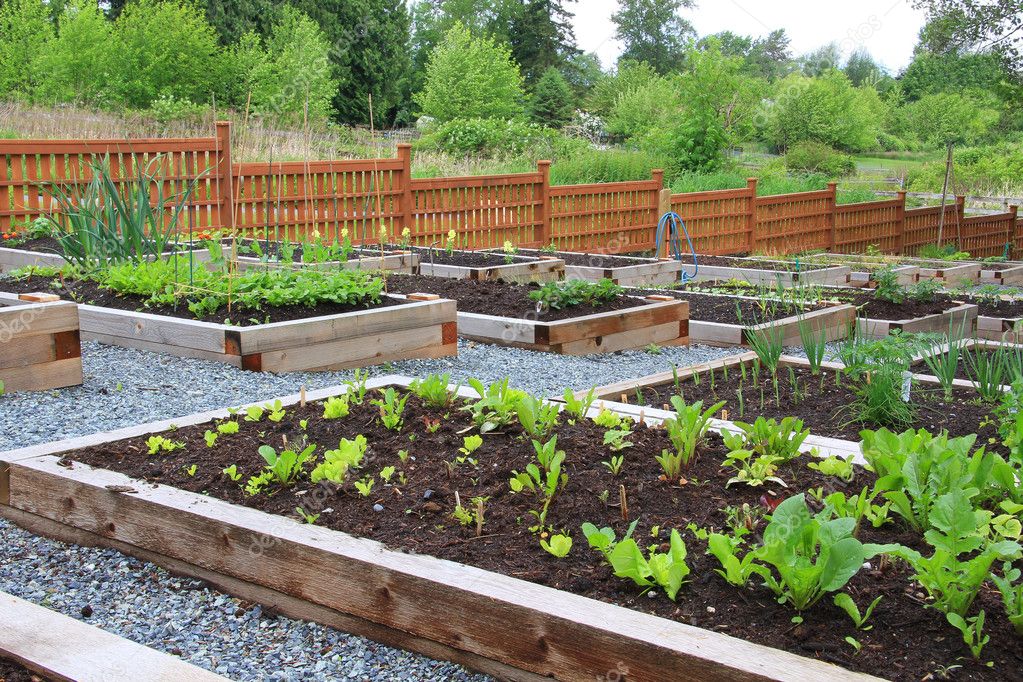

Growing your own fruits and vegetables is a rewarding and health-conscious activity. It promotes sustainability, reduces food costs, and increases access to fresh produce. However, what many home gardeners may not realize is that foodborne illnesses can originate just as easily from backyard gardens as from large-scale farms if proper safety measures aren’t followed. Contaminated produce has been linked to pathogens like E. coli, Salmonella, and Listeria, all of which can cause serious illness. Ensuring food safety from garden to table is essential for protecting your health and that of your family.
Common Sources of Contamination in Home Gardens
Foodborne pathogens can enter your garden in a variety of ways. The most common routes of contamination include:
- Contaminated compost or manure
Using raw or improperly composted manure can introduce harmful bacteria such as E. coli O157:H7 into your soil. These pathogens can survive for months and contaminate your fruits and vegetables during growth. - Unsafe irrigation water
Water from untreated sources like rivers, ponds, or rain barrels can carry pathogens, especially if located near livestock or septic systems. - Poor personal hygiene
Gardeners can transfer pathogens to produce via unwashed hands, contaminated tools, or dirty gloves. - Animals and pests
Birds, rodents, and domestic pets may defecate in garden beds or eat from the produce, leaving behind dangerous microorganisms.
Steps to Minimize Risk in Your Garden
1. Start with Safe Soil
Use high-quality soil from reputable sources. If you compost at home, make sure the compost reaches temperatures between 130°F and 160°F to kill pathogens. The U.S. Department of Agriculture (USDA) recommends aging raw manure for at least 120 days before harvest of any crops that may come into contact with soil.
2. Use Clean Water
Irrigate using potable water whenever possible. If using rain barrels or greywater systems, ensure the water has been filtered and treated appropriately. Avoid overhead watering that can splash contaminated soil onto edible parts of the plant. Drip irrigation systems are safer for root and leaf crops.
3. Maintain Personal Hygiene
Wash your hands thoroughly with soap and water before and after working in the garden. Disinfect gardening tools regularly and avoid touching edible parts of the plant with unwashed hands or gloves.
4. Keep Animals Out
Install fencing or mesh covers to prevent pets and wildlife from entering your garden. Raised beds and netting can also deter rodents and birds. Remove any animal waste from the garden area promptly and carefully.
5. Harvest Safely
Use clean containers and tools during harvest. Do not use buckets or baskets that have been exposed to animal droppings, compost, or other contaminants. Always inspect produce for signs of pest damage or mold before bringing it into the kitchen.
Proper Washing and Storage of Garden Produce
Even when fruits and vegetables appear clean, they can carry invisible pathogens. Follow these practices after harvesting:
- Wash produce under running water (without soap or bleach). Use a brush for firm produce like carrots or potatoes.
- Dry with a clean paper towel or cloth to reduce moisture that can promote bacterial growth.
- Refrigerate perishable items such as leafy greens and berries within two hours of harvest.
- Avoid cross-contamination by keeping garden produce separate from raw meat or eggs in the refrigerator or during meal prep.
Vulnerable Populations Should Take Extra Precautions
Young children, the elderly, pregnant individuals, and those with weakened immune systems are at greater risk for complications from foodborne illness. For these groups, even small amounts of contamination can lead to serious illness. In such cases, extra attention should be paid to washing produce and avoiding consumption of high-risk crops such as sprouts, which are more susceptible to bacterial growth due to their humid growing conditions.
Benefits of Safe Gardening
When done safely, home gardening can actually reduce the risk of foodborne illness by allowing greater control over how produce is grown and handled. Unlike store-bought items, which pass through multiple hands and processing points, home-grown produce offers transparency and immediacy. By applying good agricultural and hygiene practices, gardeners can significantly minimize risks and enjoy fresh, healthy food without fear.
Final Note
Home gardening is not only a healthy pastime but also an opportunity to take control of your food supply. However, without proper safety practices, even the most well-intentioned gardening efforts can result in harmful consequences. By understanding how pathogens enter the garden and taking proactive steps—such as using safe compost, clean water, good hygiene, and careful harvesting—gardeners can enjoy the fruits of their labor safely. As with all food safety, awareness and prevention are key to keeping yourself and your loved ones healthy.
