

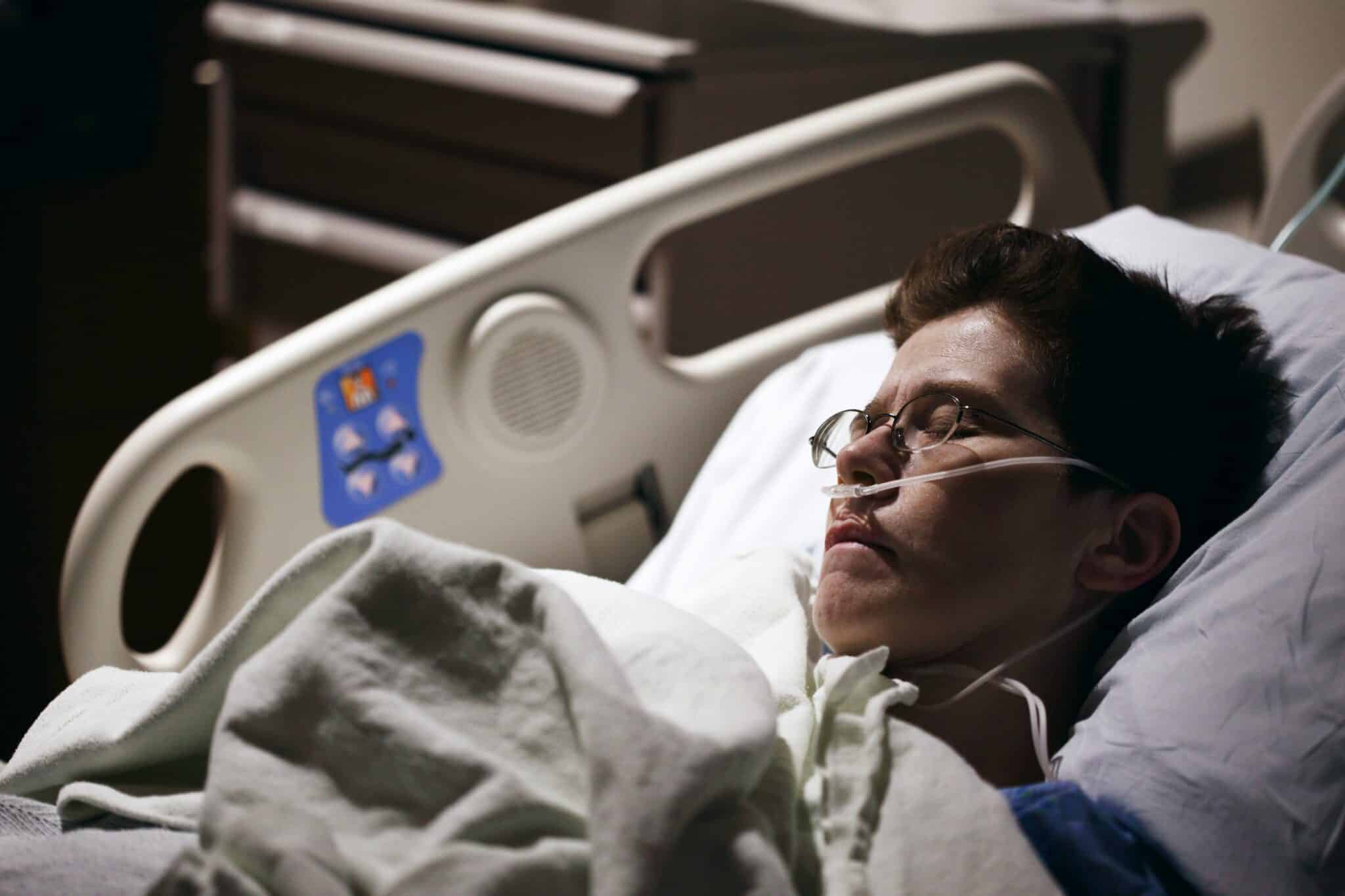

Foodborne illnesses affect millions of people each year, but the severity of these illnesses can vary drastically, even among people who consumed the exact same contaminated food. While some individuals may experience only mild discomfort, others may end up in the hospital with life-threatening complications. This discrepancy often raises questions: Why do some people get sicker than others from the same exposure? The answer lies in a combination of biological, environmental, and behavioral factors that shape how our bodies respond to foodborne pathogens.
1. The Strength of the Immune System
One of the most significant factors in how someone responds to foodborne pathogens is the state of their immune system. A healthy immune system can often fight off low levels of bacteria or viruses without causing severe symptoms. In contrast, immunocompromised individuals, such as those undergoing chemotherapy, living with HIV/AIDS, taking immunosuppressive medications, or recovering from organ transplants, are more vulnerable to infections and complications. According to the Centers for Disease Control and Prevention (CDC), immunocompromised people are at higher risk for serious illnesses from common foodborne bacteria like Salmonella, Listeria monocytogenes, and E. coli O157:H7.
2. Age Plays a Major Role
Infants, young children, and the elderly are particularly susceptible to more severe outcomes from foodborne illnesses. For young children, immune systems are not yet fully developed, and in older adults, immune function naturally declines with age. The World Health Organization (WHO) notes that children under 5 years of age account for 40% of the global burden of foodborne diseases. Similarly, the CDC reports that older adults are more likely to suffer complications like kidney failure from E. coli infections or meningitis from Listeria.
3. Underlying Health Conditions
Pre-existing medical conditions can significantly influence how someone reacts to contaminated food. People with diabetes, liver disease, kidney disease, or gastrointestinal disorders may struggle to fight off infections. For example, those with liver disease are particularly vulnerable to Vibrio vulnificus, a bacterium found in raw or undercooked seafood. Individuals with autoimmune diseases may also experience more intense symptoms due to abnormal immune responses or the medications they take to manage their condition.
4. Dose of Pathogen Ingested
Not everyone consumes the same amount of contaminated food or the same concentration of the harmful pathogen. The “infectious dose” refers to the number of organisms required to cause illness. For some bacteria like E. coli O157:H7, even a small number of organisms can trigger severe symptoms. If one person eats a large portion of contaminated food and another only takes a small bite, their outcomes could differ dramatically.
5. Genetics and Gut Microbiome
Emerging research suggests that genetic differences and the composition of the gut microbiome (the community of bacteria in our intestines) may affect how we respond to pathogens. A healthy, diverse microbiome can help resist colonization by harmful bacteria. Conversely, people with disrupted or imbalanced microbiomes—due to recent antibiotic use, poor diet, or chronic illness—may be more susceptible to infection. Some individuals may also have genetic variations that affect their immune responses or the ability to metabolize toxins produced by pathogens.
6. Type and Virulence of Pathogen
Different strains of the same bacterium can vary in virulence, or their ability to cause disease. For instance, some strains of Salmonella cause only mild gastrointestinal distress, while others can lead to invasive infections and even death. The same goes for E. coli. Strains are relatively harmless, while others, like O157:H7, can produce Shiga toxin, leading to hemolytic uremic syndrome (HUS), a potentially fatal complication.
7. Timing and Speed of Medical Treatment
How quickly someone seeks and receives medical care can impact the severity of illness. Early treatment, including hydration and supportive care, can reduce complications. In some cases, appropriate use of antibiotics (when indicated) can also limit the duration or intensity of symptoms. Delays in diagnosis or treatment may allow the infection to worsen, especially in vulnerable populations.
Final Note: A Complex Interaction of Factors
The question of why some people get sicker than others from the same contaminated food does not have a one-size-fits-all answer. Instead, it’s the result of a complex interplay between individual health, immune status, age, genetics, amount of exposure, and the specific characteristics of the pathogen.
Recognizing these differences underscores the importance of universal food safety practices, not only to protect yourself, but to prevent the spread of pathogens to others who may be at greater risk. Washing hands, cooking food thoroughly, avoiding cross-contamination, and heeding food recall warnings are essential steps everyone should take to minimize the risk of foodborne illness.
